- What is a Shopify Plus B2B strategy?
- B2B Strategy Prioritization Table
- The B2B Innovation Imperative: Why Velocity is the New Currency
- Shifting B2B Buyer Expectations and Digital-First Mandates
- The Cost of Stagnation: Market Share Erosion and Operational Drag
- Shopify Plus as the B2B Agility Accelerator: Core Capabilities
- Advanced Storefront Customization for Unique B2B Experiences (Wholesale Channels, Custom Pricing)
- Scalable Infrastructure: Handling High-Volume Orders and Complex Catalogs
- API-First Architecture: Powering Seamless ERP, CRM, and PIM Integrations
- Engineering Agile Product-to-Market Cycles with Shopify Plus
- Rapid Prototyping and A/B Testing B2B Features
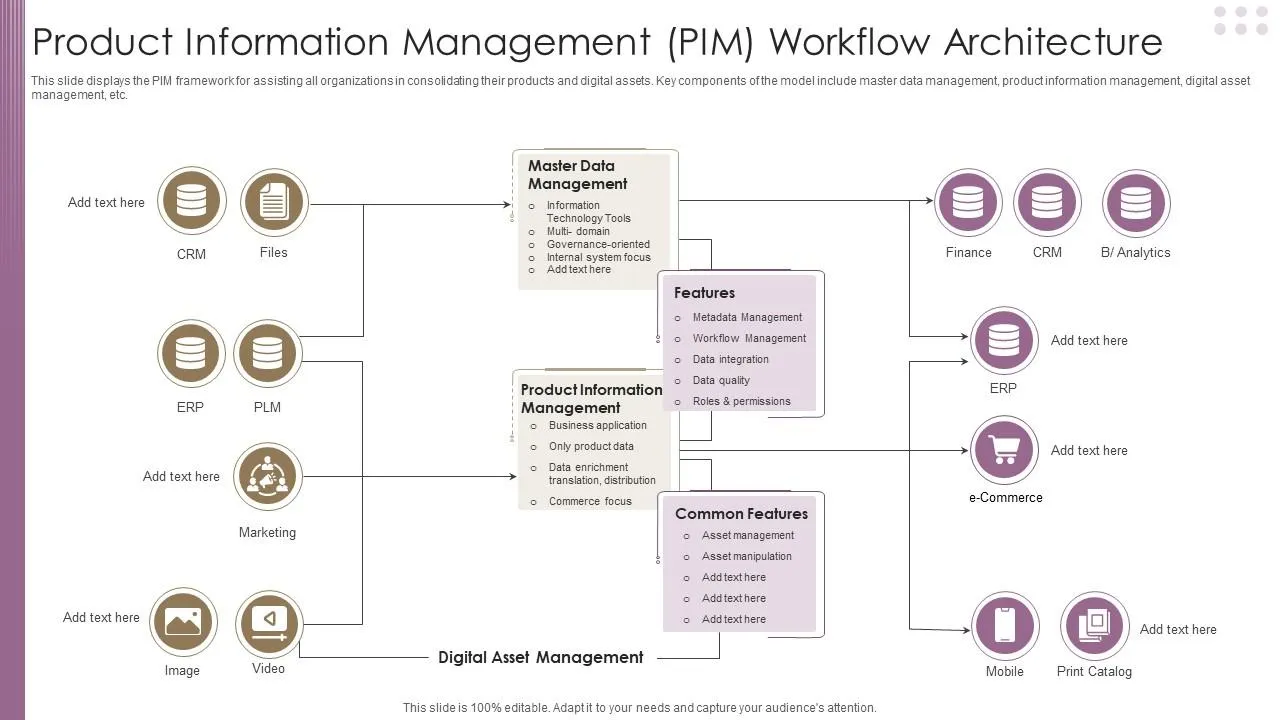
- Streamlining Product Information Management (PIM) for Faster Launches
- Leveraging Shopify Flow for Automated B2B Workflows (Order Approval, Reordering)
- Outmaneuvering Competitors: Strategic Advantages of Shopify Plus B2B
- Data-Driven Decision Making: Analytics for Competitive Insights
- Personalization at Scale: Tailoring Experiences for B2B Segments
- Global Expansion Readiness: Multi-Currency and Multi-Language Support
- The Technical Blueprint: Implementing a High-Velocity Shopify Plus B2B Strategy
- Headless Commerce for Ultimate Flexibility and Frontend Innovation
- Integrating Legacy Systems: Best Practices for a Unified Ecosystem
- Security and Compliance: Protecting B2B Data and Transactions
- Measuring Innovation Velocity: KPIs for B2B Success on Shopify Plus
- Product Launch Cycle Time Reduction
- Customer Lifetime Value (CLV) and Repeat Purchase Rate
- Operational Efficiency Gains (Order Processing, Customer Service)
- Case Study Snippets: B2B Brands Dominating with Shopify Plus Agility
- Manufacturing Sector: Custom Orders and Complex Pricing
- Wholesale Distribution: Streamlined Reordering and Account Management
- Future-Proofing Your B2B E-commerce: Emerging Trends and Shopify Plus
- AI-Powered Personalization and Predictive Analytics
- Augmented Reality (AR) for Product Visualization in B2B
- Sustainable E-commerce Practices and Supply Chain Transparency
- Related Reading
What is a Shopify Plus B2B strategy?
A Shopify Plus B2B strategy defines how wholesale buyers discover products, receive custom pricing, manage company accounts, submit purchase orders, reorder quickly, and move through checkout without DTC friction. The strongest strategy connects buyer workflows, ERP rules, SEO visibility, and self-service account operations.
B2B Strategy Prioritization Table
| B2B requirement | Strategic question | Implementation signal |
|---|---|---|
| Pricing | Who gets which catalog, price list, and payment terms? | Company profiles and controlled price lists. |
| Buying flow | How fast can repeat buyers rebuild a cart? | Quick order, reorder, saved lists, and PO support. |
| SEO visibility | Which wholesale pages should be public vs gated? | Indexable educational pages and gated buyer-only pricing. |
Related B2B guides: Continue with the Shopify Plus B2B wholesale guide, B2B automation bottleneck checklist, and Shopify Plus B2B audit guide.
The B2B Innovation Imperative: Why Velocity is the New Currency
What is B2B Innovation Velocity? B2B Innovation Velocity refers to a business's capacity to rapidly conceive, develop, and deploy new products, services, or operational efficiencies that address evolving market demands and customer expectations. It is measured by the speed at which a company can move from idea generation to market implementation, directly impacting competitive positioning and market share.
The B2B landscape is undergoing a profound transformation. Traditional, lengthy sales cycles and static product catalogs are no longer sustainable. Agility and speed have become non-negotiable for market relevance.
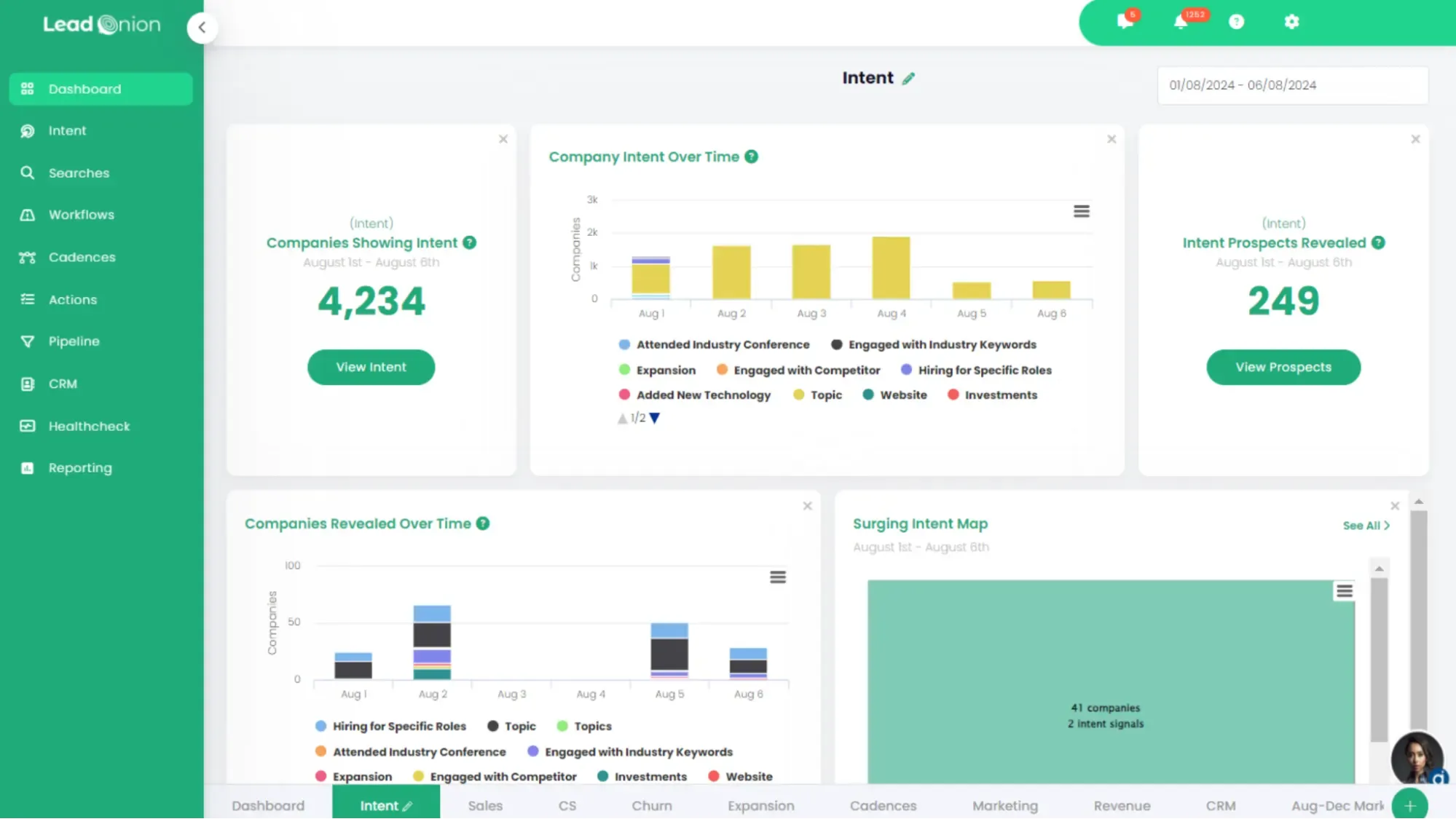
Shopify Plus B2B agile dashboard
For enterprise merchants and agency owners, innovation velocity is the primary driver of sustained competitive advantage. Stagnation is a direct path to obsolescence in this dynamic environment.
Shifting B2B Buyer Expectations and Digital-First Mandates
Modern B2B buyers now expect the same seamless, personalized experiences they encounter in their consumer lives. This "consumerization of B2B" demands intuitive self-service portals and rich digital interactions.
Digital channels are no longer supplementary; they are the primary touchpoints for research, purchasing, and post-purchase support. Businesses must adapt to a digital-first mandate or risk losing engagement.
![Shopify Plus B2B product launch workflow - Shopify Plus: B2B's Secret Weapon for Agile Innovation [2024]](/img/blog/shopify-plus-b2b-strategy-2.webp) Shopify Plus B2B product launch workflow
Shopify Plus B2B product launch workflow
This shift necessitates platforms capable of delivering sophisticated B2B customer experiences (CX) mirroring leading DTC brands. The focus is on convenience, transparency, and speed throughout the buyer journey.
The Cost of Stagnation: Market Share Erosion and Operational Drag
Failing to innovate at pace results in significant consequences. Market share erodes as nimble competitors capture new segments and customer loyalty.
Legacy systems and manual processes create substantial operational drag. This inefficiency translates to higher operational costs, delayed product launches, and diminished customer satisfaction.
The inability to quickly respond to market shifts or integrate new technologies limits growth potential. This directly impacts revenue generation and overall business valuation.
Shopify Plus as the B2B Agility Accelerator: Core Capabilities
Shopify Plus transcends a mere e-commerce platform; it functions as a strategic accelerator for B2B enterprises. Its robust architecture and comprehensive feature set are engineered for rapid deployment and continuous iteration.
For operations managers and enterprise stakeholders, Shopify Plus offers a foundational toolkit for digital transformation. It provides the necessary infrastructure to pivot quickly and scale effectively.
Advanced Storefront Customization for Unique B2B Experiences (Wholesale Channels, Custom Pricing)
Shopify Plus enables highly tailored B2B experiences, moving beyond generic storefronts. Dedicated wholesale channels can be established with distinct pricing and product visibility.
Custom pricing rules are easily implemented, supporting tiered pricing, volume discounts, and account-specific net terms. This flexibility is crucial for complex B2B sales models.
Advanced theme customization allows for unique user interfaces, personalized dashboards, and streamlined reordering processes. This directly enhances the B2B customer experience (CX).
Scalable Infrastructure: Handling High-Volume Orders and Complex Catalogs
Shopify's cloud-native infrastructure provides unparalleled scalability and reliability. It effortlessly manages peak traffic, high-volume orders, and extensive product catalogs without performance degradation.
This robust foundation means B2B enterprises can scale without platform limitations. It ensures business continuity and a consistent buying experience, even during demand spikes.
Managing thousands of SKUs with multiple variants and complex attributes is simplified. The platform's performance capabilities are critical for maintaining operational efficiency at scale.
API-First Architecture: Powering Seamless ERP, CRM, and PIM Integrations
Shopify Plus's API-first architecture is a cornerstone of its agility. It facilitates seamless integration with critical enterprise systems like ERP, CRM, and PIM platforms.
This architecture ensures a unified data flow across the entire business ecosystem. Real-time synchronization of inventory, customer data, and order information eliminates silos and improves accuracy.
Leveraging robust APIs allows for a truly omnichannel B2B strategy. It creates a single source of truth for all customer and product data, empowering more informed decision-making.
Engineering Agile Product-to-Market Cycles with Shopify Plus
Achieving agile product development in e-commerce is paramount for B2B competitiveness. Shopify Plus provides the tools and flexibility to significantly shorten product-to-market cycles.
This section outlines a strategic approach to leveraging the platform for rapid innovation. It focuses on iterative development, streamlined data management, and workflow automation.
Rapid Prototyping and A/B Testing B2B Features
Shopify Plus facilitates rapid prototyping of new B2B features through its flexible theme architecture and development tools. Staging environments allow for safe experimentation before live deployment.
A/B testing capabilities are essential for validating new functionalities, pricing models, or user flows. This data-driven approach minimizes risk and optimizes feature effectiveness.
For enterprise merchants, this iterative process is invaluable for rapid innovation. It ensures that new offerings are aligned with actual B2B buyer needs and preferences.
Streamlining Product Information Management (PIM) for Faster Launches
Efficient PIM is critical for accelerating product launches. Shopify Plus offers native capabilities for rich product data management, including detailed descriptions, media, and SEO attributes.
For more complex catalogs, integration with dedicated PIM systems via the API is straightforward. This ensures centralized, accurate, and consistent product information across all channels.
By streamlining PIM, businesses can drastically reduce the time from product conception to online availability. This directly impacts product launch cycle time reduction, a key metric for innovation velocity.
Leveraging Shopify Flow for Automated B2B Workflows (Order Approval, Reordering)
Shopify Flow is a powerful automation engine for B2B operations. It allows the creation of custom workflows that eliminate manual tasks and accelerate processes.
Here are core steps to leverage Shopify Flow for B2B efficiency:
- Define Workflow Triggers: Identify key events like "New Order," "Customer Tagged," or "Inventory Level Low."
- Set Conditional Logic: Establish rules based on order value, customer tags, or product type (e.g., "If order > $5000, require approval").
- Automate Actions: Configure actions such as sending internal notifications, adding customer tags, updating order status, or creating draft orders for reordering.
- Integrate with Third-Party Apps: Connect Flow to other apps for advanced inventory management, CRM updates, or shipping notifications.
- Monitor and Optimize: Regularly review Flow performance and adjust workflows to improve efficiency and adapt to evolving business needs.
Automating order approvals, managing reorder points, and segmenting customers automatically frees up valuable resources. This directly contributes to operational efficiency gains.
Outmaneuvering Competitors: Strategic Advantages of Shopify Plus B2B
In a crowded market, a robust Shopify Plus strategy provides a distinct competitive advantage. It empowers businesses to react faster, understand customers deeper, and expand more broadly than their rivals.
This strategic edge isn't just about features; it's about executing on market opportunities with unparalleled speed and precision. Enterprise merchants can gain significant ground by leveraging these capabilities.
Data-Driven Decision Making: Analytics for Competitive Insights
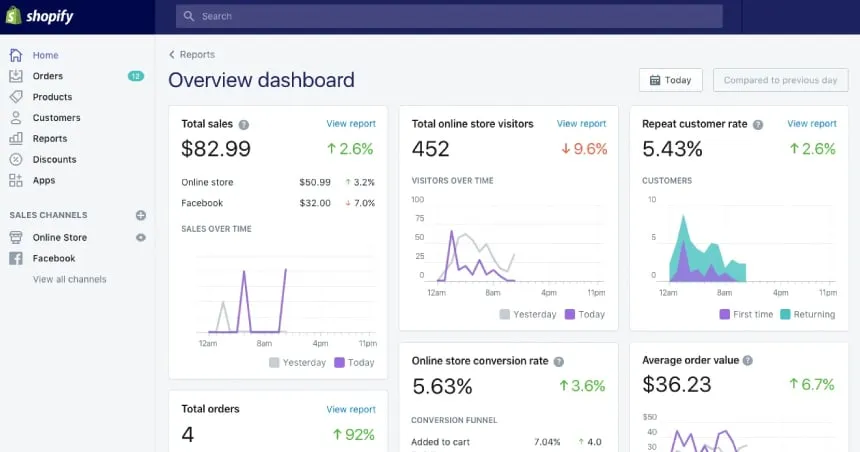
Shopify Plus offers comprehensive analytics tools, providing deep insights into sales performance, customer behavior, and operational metrics. This data is invaluable for strategic planning.
Integrating with advanced BI tools allows for even richer competitive intelligence. Businesses can identify market trends, optimize pricing strategies, and pinpoint growth opportunities.
Understanding customer purchasing patterns and engagement metrics enables proactive decision-making. This data-driven approach is critical for maintaining a competitive advantage with Shopify.
Personalization at Scale: Tailoring Experiences for B2B Segments
Personalization is no longer a consumer-only expectation; it's a B2B imperative. Shopify Plus allows for tailoring experiences based on account type, purchase history, and specific business needs.
Implementing custom product recommendations, account-specific pricing, and segmented content builds stronger relationships. This fosters customer loyalty and increases customer lifetime value (CLV).
Achieving personalization at scale differentiates B2B brands. It ensures that every interaction feels relevant and valuable to the individual buyer or purchasing team.
Global Expansion Readiness: Multi-Currency and Multi-Language Support
Shopify Plus is built for global commerce, offering robust multi-currency and multi-language capabilities via Shopify Markets. This simplifies international expansion for B2B enterprises.
Providing localized experiences, from pricing to content, reduces friction for international buyers. It allows businesses to enter new markets with confidence and efficiency.
This global readiness is a significant strategic asset, enabling B2B companies to tap into new revenue streams rapidly. It minimizes the technical complexities often associated with cross-border trade.
The Technical Blueprint: Implementing a High-Velocity Shopify Plus B2B Strategy
Executing a high-velocity Shopify Plus B2B strategy requires a meticulous technical blueprint. This involves architectural decisions, integration planning, and robust security protocols.
For operators and technical teams, understanding these foundational elements is crucial. A well-designed technical stack underpins all innovation and agility initiatives.
For expert guidance on structuring your B2B platform, consider engaging specialized Shopify Plus Consulting services to ensure optimal performance and scalability.
Headless Commerce for Ultimate Flexibility and Frontend Innovation
B2B headless commerce offers unparalleled flexibility for frontend innovation. Decoupling the storefront from the backend allows for highly custom user experiences and faster page loads.
Utilizing Shopify's Storefront API with frameworks like Hydrogen and Oxygen enables developers to build bespoke B2B portals. This delivers a truly unique and performant interface.
Headless architecture is ideal for complex B2B requirements, such as integrating custom configurators or intricate account management dashboards. It ensures that the frontend can evolve independently and rapidly.
Integrating Legacy Systems: Best Practices for a Unified Ecosystem
Successful B2B digital transformation often involves integrating Shopify Plus with existing legacy ERP, CRM, and WMS systems. This requires a strategic approach to data synchronization.
Best practices include utilizing middleware solutions (e.g., Celigo, Boomi) for robust, API-based connections. Phased integration ensures minimal disruption and allows for iterative testing.
Accurate data mapping and continuous monitoring are paramount for maintaining a unified ecosystem. This ensures a single source of truth across all operational facets of the business.
Security and Compliance: Protecting B2B Data and Transactions
Security and compliance are non-negotiable in B2B e-commerce. Shopify Plus inherently provides PCI DSS compliance, protecting sensitive payment information.
Implementing robust authentication (e.g., multi-factor authentication) and authorization protocols for B2B accounts is critical. This safeguards proprietary data and transactional integrity.
Adherence to data privacy regulations like GDPR and CCPA is equally important. Shopify's platform features and app ecosystem support these compliance requirements, ensuring data protection.
Measuring Innovation Velocity: KPIs for B2B Success on Shopify Plus
To truly understand the impact of a Shopify Plus B2B strategy, clear Key Performance Indicators (KPIs) must be established. These metrics quantify the innovation velocity and its business outcomes.
For enterprise stakeholders, tracking these KPIs provides tangible evidence of ROI and guides future strategic investments. It moves beyond anecdotal success to data-backed performance.
Product Launch Cycle Time Reduction
This KPI measures the time from a product idea's inception to its market availability. Shopify Plus, with its streamlined PIM and agile development tools, directly contributes to reducing this cycle.
A shorter launch cycle means faster market responsiveness and increased competitive advantage. It allows businesses to capitalize on trends and customer demands more quickly.
Tracking this metric provides a clear indication of a company's innovation agility and efficiency in bringing new offerings to its B2B customers.
Customer Lifetime Value (CLV) and Repeat Purchase Rate
Higher CLV and repeat purchase rates are direct indicators of a superior B2B customer experience (CX) and product fit. Personalization, seamless reordering, and efficient service, enabled by Shopify Plus, boost these metrics.
Understanding the long-term value of B2B accounts is crucial for sustainable growth. Shopify Plus analytics and integrated CRM solutions help track these vital customer health indicators.
These KPIs reflect the effectiveness of strategies aimed at building lasting relationships and fostering loyalty within the B2B segment.
Operational Efficiency Gains (Order Processing, Customer Service)
Quantifying operational efficiency gains is essential. This includes reductions in order processing time, fewer manual errors, and decreased customer service inquiries due to self-service capabilities.
Shopify Flow automation and robust integrations streamline backend operations, leading to measurable cost savings. Faster fulfillment and reduced administrative overhead directly impact profitability.
These metrics demonstrate the tangible benefits of digital transformation. They highlight how an optimized Shopify Plus platform enhances overall business performance and resource utilization.
Case Study Snippets: B2B Brands Dominating with Shopify Plus Agility
Real-world examples illustrate the transformative power of Shopify Plus for B2B enterprises. These snippets highlight how strategic implementation leads to significant market gains.
These case studies offer practical insights for operators and agency owners. They showcase how a well-executed Shopify CRO Consulting approach can optimize B2B performance.
Manufacturing Sector: Custom Orders and Complex Pricing
A leading industrial equipment manufacturer leveraged Shopify Plus to overhaul its B2B sales. They implemented a custom storefront with a product configurator, allowing buyers to design complex machinery online.
Integrated with their ERP, the system automatically generated quotes with tiered pricing and volume discounts. This reduced sales cycle time by 30% and increased average order value significantly.
The manufacturer now provides a self-service portal for reordering parts and tracking order status, dramatically improving customer satisfaction and operational efficiency.
Wholesale Distribution: Streamlined Reordering and Account Management
A large wholesale food distributor migrated to Shopify Plus to modernize its B2B operations. They created personalized customer portals with quick order lists and account-specific catalogs.
Shopify Flow was instrumental in automating reorder reminders and managing credit terms for established accounts. This resulted in a 25% increase in repeat purchase rate within the first year.
Their B2B customers now enjoy a frictionless reordering experience, leading to stronger loyalty and freeing up sales team resources to focus on new business development rather than order entry.
Future-Proofing Your B2B E-commerce: Emerging Trends and Shopify Plus
The B2B e-commerce landscape continues to evolve rapidly. Shopify Plus positions businesses to embrace emerging trends, ensuring long-term relevance and sustained competitive advantage.
Anticipating these shifts and strategically integrating new technologies is key for future-proofing. Shopify's extensible platform makes this adaptation feasible and efficient.
AI-Powered Personalization and Predictive Analytics
AI is set to revolutionize B2B personalization, moving beyond basic recommendations. Shopify Plus, through its app ecosystem and API capabilities, can integrate advanced AI solutions.
This includes AI-driven dynamic pricing, predictive demand forecasting, and personalized content delivery based on real-time buyer behavior. This offers deeper competitive intelligence.
Leveraging AI empowers businesses to anticipate customer needs, optimize inventory, and deliver hyper-relevant experiences at scale, driving future growth and efficiency.
Augmented Reality (AR) for Product Visualization in B2B
Augmented Reality (AR) is transforming how B2B buyers interact with complex products. Shopify Plus natively supports 3D models, making AR integration straightforward for product visualization.
For industries like manufacturing, machinery, or custom furniture, AR allows buyers to visualize products in their own environment. This reduces uncertainty and improves purchase confidence.
Implementing AR can significantly reduce returns and enhance the pre-purchase experience, especially for high-value or configurable items. It's a powerful tool for customer engagement.
Sustainable E-commerce Practices and Supply Chain Transparency
Sustainability is becoming a critical factor in B2B purchasing decisions. Shopify Plus provides tools and integrations to support sustainable e-commerce practices and enhance supply chain transparency.
Businesses can integrate apps for carbon offsetting, ethical sourcing verification, and transparent reporting on environmental impact. This resonates with conscious B2B buyers.
Embracing these practices builds brand trust and differentiation. It allows B2B enterprises to meet growing demands for corporate social responsibility and demonstrate long-term commitment.
Frequently Asked Questions
What is B2B innovation velocity and why is it crucial for businesses?
B2B Innovation Velocity refers to a business's capacity to rapidly conceive, develop, and deploy new products, services, or operational efficiencies that address evolving market demands and customer expectations. It is measured by the speed at which a company can move from idea generation to market implementation, directly impacting competitive positioning and market share. In today's dynamic B2B landscape, where traditional sales cycles are no longer sustainable, achieving high innovation velocity is crucial for market relevance and sustained competitive advantage. Stagnation in this environment inevitably leads to obsolescence and market share erosion.
How does Shopify Plus specifically enhance B2B product-to-market cycles?
Shopify Plus significantly enhances B2B product-to-market cycles through several core capabilities. Its flexible theme architecture and development tools facilitate rapid prototyping and A/B testing of new B2B features, allowing for data-driven validation before full deployment. The platform also streamlines Product Information Management (PIM) with native capabilities for rich product data, and robust APIs for integration with dedicated PIM systems. This efficiency drastically reduces the time from product conception to online availability, enabling businesses to respond to market demands with unparalleled speed and agility.
Can Shopify Plus integrate with existing legacy B2B systems?
Yes, Shopify Plus is designed with an API-first architecture that facilitates seamless integration with critical enterprise systems like ERP (Enterprise Resource Planning), CRM (Customer Relationship Management), and WMS (Warehouse Management Systems). Best practices for integrating legacy systems include utilizing middleware solutions (e.g., Celigo, Boomi) for robust, API-based connections, and adopting a phased integration approach to minimize disruption. This ensures a unified data flow across the entire business ecosystem, providing a single source of truth for inventory, customer data, and order information, which is vital for a truly omnichannel B2B strategy.
What are the key benefits of adopting a Shopify Plus strategy for B2B enterprises?
Adopting a Shopify Plus strategy provides B2B enterprises with several critical advantages. It significantly accelerates **innovation velocity** by streamlining product-to-market cycles through rapid prototyping, A/B testing, and efficient Product Information Management (PIM), enabling quick launches and a competitive edge. **Operational efficiency** is boosted via Shopify Flow, automating complex B2B workflows like order approvals and reordering, reducing manual effort and costs. The platform delivers a **superior B2B customer experience (CX)** with advanced customization for wholesale channels, custom pricing, and personalized self-service portals, meeting modern buyer expectations. Its **scalable, cloud-native infrastructure** handles high-volume orders and extensive catalogs, while multi-currency and multi-language support through Shopify Markets facilitates seamless **global expansion**. Lastly, an **API-first architecture** ensures robust integration with existing ERP, CRM, and PIM systems, creating a unified data ecosystem for informed decision-making and a truly omnichannel presence.

Ecommerce manager, Shopify & Shopify Plus consultant with 10+ years of experience helping enterprise brands scale their ecommerce operations. Certified Shopify Partner with 130+ successful store migrations.