
- The Evolving Landscape of Shopify Plus Chargebacks: Beyond Simple Fraud
- Proactive Prevention: Architecting a Multi-Layered Fraud & Dispute Shield for Shopify Plus
- Optimizing the Customer Journey to Mitigate Friendly Fraud & Service-Related Disputes
- The Strategic Role of Payment Gateways & Banking Relationships in Chargeback Reduction
- Strategic Recovery & Data-Driven Iteration: Turning Losses into Learnings
The Evolving Landscape of Shopify Plus Chargebacks: Beyond Simple Fraud
For enterprise Shopify Plus merchants, chargebacks represent more than just lost revenue. They signal systemic vulnerabilities, erode profitability, and can severely impact merchant account health. The modern chargeback landscape has evolved far beyond simple third-party fraud; it encompasses a complex interplay of friendly fraud, operational missteps, and evolving consumer expectations. A strategic, holistic approach is critical for sustainable growth.
Deconstructing Chargeback Reason Codes: A Data-Driven Approach
Effective chargeback reduction begins with a granular understanding of their root causes. Payment networks utilize specific reason codes (e.g., Visa's "Fraud - Card Present Environment," "Goods/Services Not Provided," "Credit Not Processed") that provide critical diagnostic data. Relying solely on a "fraud" label from your payment gateway is insufficient; it obscures the real issues.
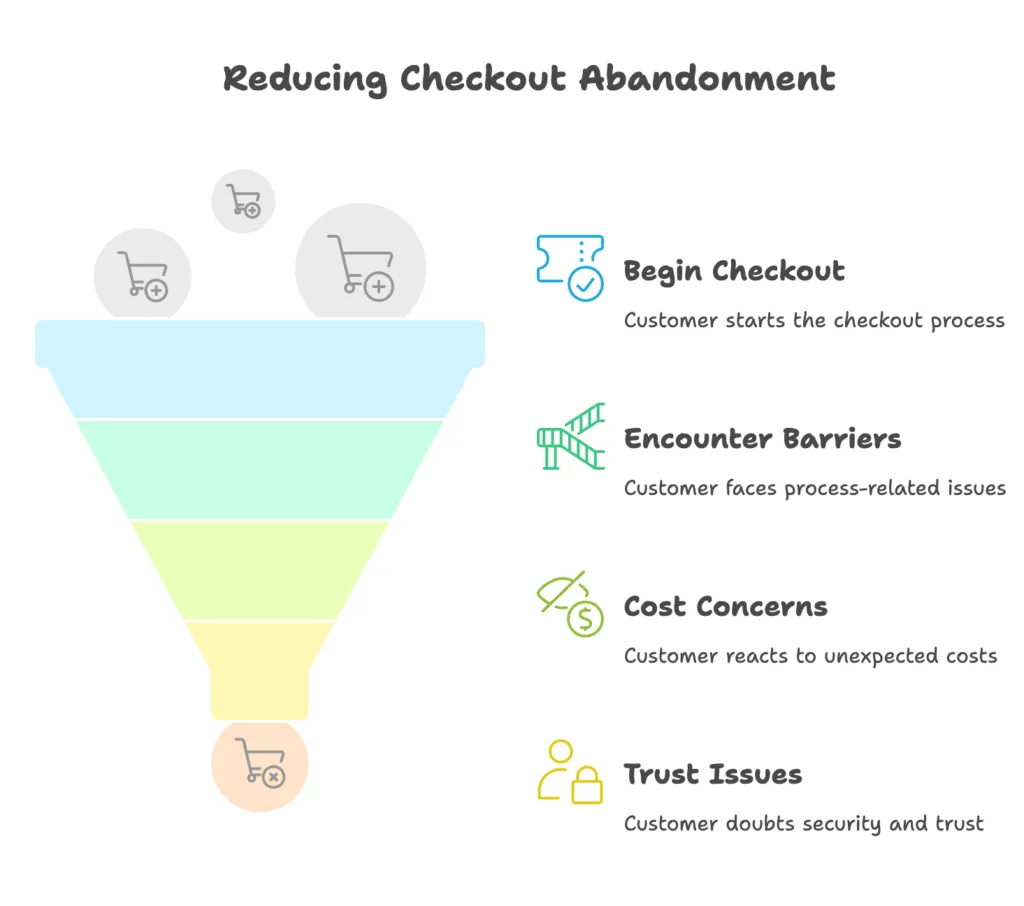
 Shopify Plus chargeback prevention shield
Shopify Plus merchants must integrate data from their payment processors, fraud tools, and internal CRM systems to map these codes to specific customer interactions and operational touchpoints. This deep analysis reveals whether disputes stem from genuine fraud, service delivery issues, or customer confusion.
- Categorize and Prioritize: Group similar reason codes to identify primary drivers. Is "item not as described" (often a service code) more prevalent than "card not present fraud"?
- Map to Internal Processes: Link specific codes to stages of your customer journey, from product browsing to post-delivery support. This helps pinpoint process breakdowns.
- Quantify Impact: Calculate the financial and operational burden of each chargeback type. This informs where to invest prevention efforts for maximum ROI.
The Hidden Costs: Operational Drag, Reputation Erosion & Merchant Account Health
The direct financial loss of a chargeback, including the disputed amount and associated fees, is merely the tip of the iceberg. Shopify Plus operators must account for the significant indirect costs that silently drain resources and jeopardize long-term viability.
Operational drag manifests as valuable team hours diverted to manual review, evidence gathering, and representment. Each dispute resolution process consumes time from your fraud analysts, customer service agents, and finance teams, pulling them away from growth-focused initiatives. This inefficiency directly impacts your profitability metrics ecommerce.
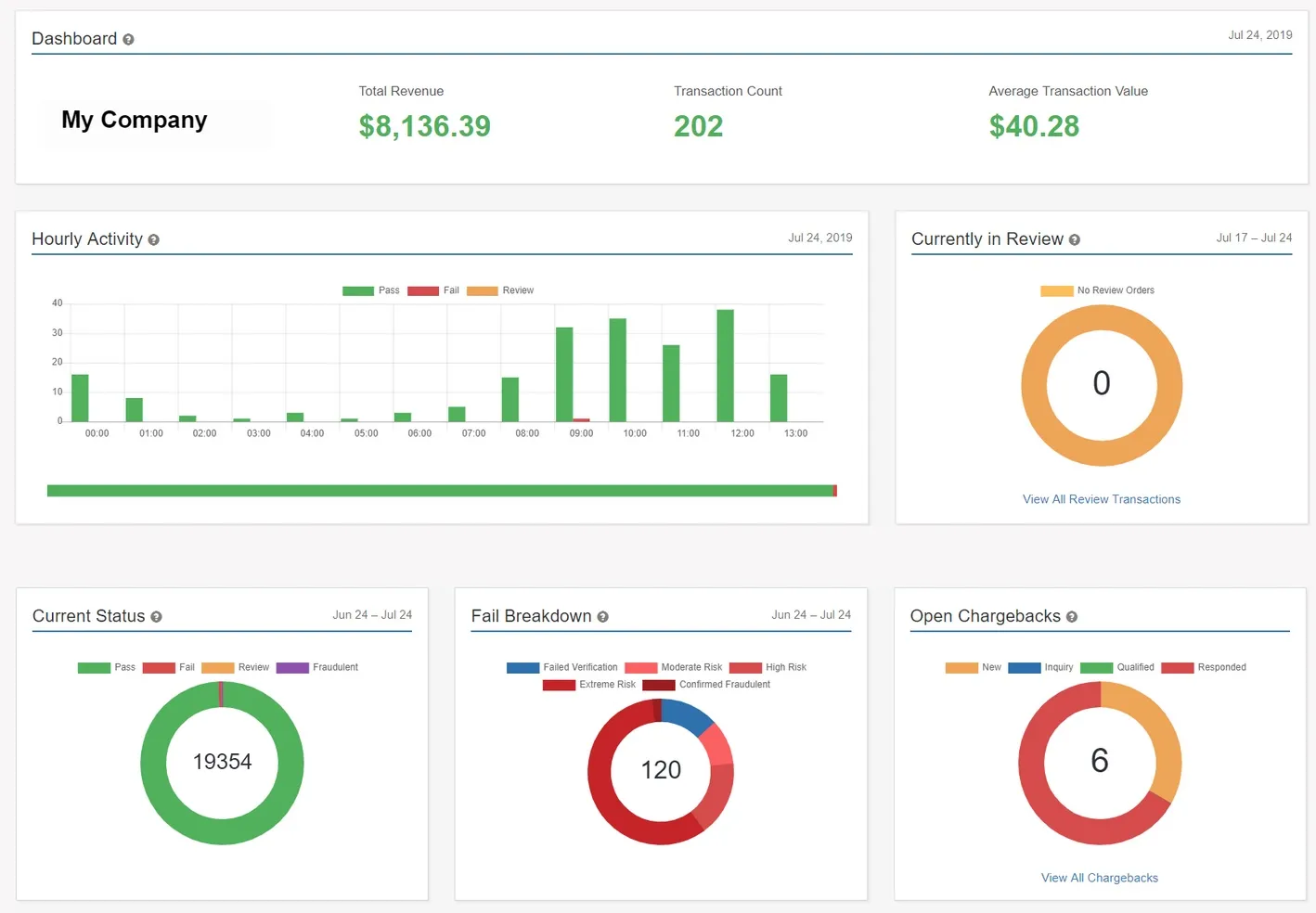
 Shopify Plus AI chargeback analytics dashboard
Beyond the internal drain, frequent chargebacks chip away at your brand's reputation. They can lead to negative customer sentiment, reduced lifetime value (LTV), and public complaints. More critically, high chargeback ratios (typically above 0.9% of transactions) can trigger scrutiny from payment processors and acquiring banks, leading to increased transaction fees, imposed reserve accounts, or even the termination of your merchant account. Maintaining a healthy merchant account status is paramount for any scaling Shopify Plus enterprise.
Proactive Prevention: Architecting a Multi-Layered Fraud & Dispute Shield for Shopify Plus
A reactive approach to chargebacks is a losing battle. Shopify Plus merchants require a robust, multi-layered defense system that proactively identifies and mitigates risks across the entire customer lifecycle. This architectural approach integrates native Shopify Plus capabilities with advanced third-party solutions.
Leveraging Shopify Plus Native Tools & App Integrations for Dynamic Risk Scoring
Shopify Plus provides built-in fraud analysis that flags orders based on various indicators like IP location, billing/shipping mismatches, and purchase history. While a solid foundation, scaling merchants need more sophisticated tools.
Integrating specialized shopify plus fraud prevention apps significantly enhances your defense. Solutions like Signifyd, Riskified, or NoFraud employ advanced machine learning algorithms to generate dynamic risk scores for every transaction. These platforms analyze hundreds of data points in real-time, including device fingerprinting, behavioral analytics, and historical fraud patterns, to provide a comprehensive risk assessment. This allows for automated decision-making—approving low-risk orders instantly and flagging high-risk orders for manual review or outright rejection.
- Configure Risk Thresholds: Set custom thresholds within Shopify Plus and integrated apps to automatically hold or cancel orders based on their risk score.
- Automate Review Queues: For flagged orders, route them to a dedicated fraud review team with all necessary data pre-populated for efficient analysis.
- Utilize Shopify Flow: Create custom workflows in Shopify Flow to automate actions based on fraud analysis results, such as tagging orders, sending internal notifications, or triggering additional verification steps.
AI-Powered Transaction Monitoring: Real-time Anomaly Detection & Adaptive Rulesets
The sophistication of modern fraudsters demands equally advanced defense mechanisms. AI for ecommerce, specifically in transaction monitoring, moves beyond static rules to provide real-time anomaly detection. These systems learn from vast datasets, identifying subtle patterns and behaviors that indicate fraudulent activity, often imperceptible to human analysts or traditional rule-based engines.
AI models constantly adapt, learning from new fraud vectors and legitimate transaction patterns. This means your defense evolves automatically, staying ahead of emerging threats without constant manual updates. It’s a paradigm shift from reactive blocking to proactive, predictive intervention.
A comprehensive strategy for ai fraud detection shopify involves deploying solutions that integrate seamlessly, providing immediate insights and automated responses. These systems can analyze everything from payment method usage and shipping address velocity to browsing behavior and device attributes, flagging deviations from established norms. This capability is crucial for maintaining high authorization rates while minimizing fraud losses.
Implementing Advanced AVS/CVV Rules, 3D Secure 2.0 & Geo-Fencing for High-Risk Orders
Beyond AI, foundational security measures remain critical. Advanced Address Verification System (AVS) and Card Verification Value (CVV) rules should be configured beyond simple pass/fail. For instance, you might accept a partial AVS match for low-value orders but require a full match for high-value or international transactions.
3D Secure 2.0 (3DS2) is a powerful tool for liability shift and enhanced authentication. For high-risk transactions, invoking 3DS2 pushes the liability for fraudulent chargebacks from the merchant to the card issuer, significantly de-risking the sale. While it can introduce minor friction, strategic implementation for specific risk profiles minimizes impact on conversion rates.
Geo-fencing allows you to block or apply heightened scrutiny to orders originating from specific high-risk countries, regions, or IP ranges known for elevated fraud rates. This targeted approach prevents fraudulent orders from ever reaching your fulfillment center, protecting your ecommerce risk management efforts proactively.
Optimizing the Customer Journey to Mitigate Friendly Fraud & Service-Related Disputes
Many chargebacks are not malicious third-party fraud but rather "friendly fraud" or service-related disputes. These often stem from customer confusion, dissatisfaction, or a lack of clarity. Optimizing the customer journey is a powerful cro strategy for chargeback reduction.
Transparent Product Descriptions, Realistic Expectations & High-Fidelity Visuals
A significant portion of "item not as described" chargebacks can be prevented by setting accurate customer expectations. Your product pages are the first line of defense. Ensure product descriptions are meticulously detailed, covering dimensions, materials, features, and compatibility.
Utilize high-fidelity visuals, including multiple angles, zoom capabilities, and even 360-degree views or augmented reality (AR) experiences. Videos demonstrating product use or scale are invaluable. Avoid hyperbole; focus on factual, descriptive language that manages expectations. Regularly audit your product content to ensure accuracy and clarity, preventing misunderstandings before they lead to disputes.
Streamlined Fulfillment, Proactive Shipping Communication & Post-Purchase Engagement
Delays, errors, or a lack of communication during fulfillment are primary drivers of "item not received" or "service not rendered" chargebacks. Shopify Plus merchants must prioritize efficient warehouse operations and robust shipping processes.
- Expedited Fulfillment: Optimize picking, packing, and shipping workflows to minimize the time between order placement and dispatch. Integrate your OMS with shipping carriers for real-time updates.
- Proactive Communication: Send automated, branded shipping notifications at every stage: order confirmation, shipment, out for delivery, and delivered. Include tracking numbers prominently.
- Exception Management: Monitor tracking for delivery exceptions (e.g., missed delivery, damaged in transit) and proactively reach out to customers to resolve issues before they escalate into disputes.
- Post-Purchase Engagement: Follow up after delivery to confirm satisfaction and provide easy access to support. This can catch minor issues before they become chargebacks.
Empowering Customer Service: Rapid Resolution, Self-Service Portals & Proactive Outreach
Your customer service team is a critical asset in customer dispute resolution. Empowering them to resolve issues quickly and effectively can prevent a significant percentage of chargebacks. A customer who can easily get a refund or replacement through customer service is far less likely to initiate a chargeback.
Invest in comprehensive training for your agents, giving them the authority and tools to offer solutions proactively. Implement self-service portals with detailed FAQs, order lookup capabilities, and easy return initiation. Leverage AI-powered chatbots for instant answers to common queries, freeing agents for more complex issues. Proactive outreach, such as personalized emails or SMS messages addressing potential issues, can also dramatically reduce the likelihood of disputes.
Clear, Accessible & Fair Refund/Return Policies: A First Line of Defense
Ambiguous or overly restrictive refund and return policies are a major contributor to friendly fraud and service-related chargebacks. Customers who feel trapped or unfairly treated are more likely to bypass merchant support and go directly to their bank.
Ensure your policies are prominently displayed, easy to understand, and fair. Clearly state conditions for returns, exchange windows, and refund processing times. A customer-centric policy that prioritizes ease of resolution can significantly reduce the impulse to file a chargeback. Regularly review and update these policies, ensuring they are aligned with both consumer expectations and industry best practices. This transparency is a fundamental element of effective ecommerce risk management.
The Strategic Role of Payment Gateways & Banking Relationships in Chargeback Reduction
Your relationship with payment gateways and acquiring banks extends beyond transaction processing. They are vital partners in your chargeback reduction strategy, offering data, tools, and contractual protections.
Negotiating Favorable Dispute Resolution Terms & Understanding Liability Shifts
When selecting or reviewing your payment gateway, delve into their dispute resolution terms. Negotiate for lower chargeback fees, clearer processes, and robust support. Understand the implications of liability shifts, such as those offered by 3D Secure 2.0. When 3DS2 is successfully applied, the liability for fraudulent chargebacks often shifts from you, the merchant, to the card issuer, significantly reducing your financial exposure.
Proactively engage with your payment partners to understand their fraud prevention tools and reporting capabilities. A strong partnership can provide valuable insights and support in managing your chargeback exposure effectively. This includes leveraging their expertise in global payment trends and localized fraud patterns.
Utilizing Merchant Account Analytics & Benchmarking for Performance Insights
Your payment gateway and acquiring bank provide a wealth of data through their merchant account analytics. This includes detailed chargeback reports, authorization rates, and fraud scores. Regularly scrutinize these reports to identify trends, spikes, and areas for improvement. Benchmarking your performance against industry averages and your own historical data is crucial for continuous improvement.
This data provides critical insights into the effectiveness of your fraud prevention strategies and highlights potential weaknesses. Create internal dashboards that track key metrics like chargeback ratio, fraud-to-sales ratio, and dispute win rates. Consistent monitoring of these profitability metrics ecommerce enables data-driven adjustments to your operational and fraud prevention strategies.
Integrating Tokenization & Recurring Billing Best Practices for Subscription Models
For Shopify Plus merchants operating subscription models, tokenization and specific recurring billing best practices are essential for reducing churn and chargebacks. Tokenization replaces sensitive card data with a unique, encrypted token, enhancing security and reducing PCI compliance burden. This is critical for storing customer payment information securely for repeat billing.
To mitigate "not recognized" or "cancelled subscription" chargebacks, implement robust subscription management platforms. This includes:
- Clear Billing Notifications: Send pre-billing notifications to subscribers, reminding them of upcoming charges.
- Easy Cancellation: Provide a simple, accessible process for customers to manage or cancel their subscriptions without friction.
- Dunning Management: Implement intelligent dunning strategies to recover failed payments proactively, often through automated email sequences or retries.
These measures not only improve customer experience but also significantly reduce the likelihood of chargebacks stemming from billing confusion or forgotten subscriptions, directly impacting subscription churn reduction.
Strategic Recovery & Data-Driven Iteration: Turning Losses into Learnings
Even with robust prevention, some chargebacks are inevitable. The final pillar of a strategic framework is about effectively recovering losses and using every dispute as an opportunity for systemic improvement.
Automated Chargeback Representment: Maximizing Win Rates with Compelling Evidence
When an illegitimate chargeback occurs, a strategic representment process is crucial. This involves providing compelling evidence to the card issuer to dispute the chargeback and recover funds. Manual representment is time-consuming and prone to error, especially for high-volume merchants.
Automated chargeback representment solutions (e.g., Chargeback Gurus, Midigator) integrate with Shopify Plus and your payment gateway to streamline this process. They automatically gather relevant data—tracking numbers, delivery confirmations, customer communication logs, IP addresses, AVS/CVV match results, and product descriptions—and compile it into a compelling response package. This significantly increases your win rates and reduces the operational burden of fighting disputes.
A holistic approach to Shopify Plus chargeback reduction strategy integrates advanced AI for real-time anomaly detection, optimizes the entire customer journey for clarity and satisfaction, and leverages strategic payment gateway relationships. This framework moves beyond reactive dispute management by proactively deconstructing chargeback reason codes, implementing multi-layered fraud prevention (including 3D Secure 2.0 and geo-fencing), and empowering customer service for rapid resolution. By continuously analyzing merchant account analytics and automating chargeback representment, Shopify Plus merchants can significantly reduce their chargeback ratio below industry benchmarks, typically aiming for 0.5-0.9% of transactions, thereby enhancing long-term profitability and safeguarding merchant account health against operational drag and reputation erosion. This comprehensive strategy ensures every operational and customer touchpoint contributes to a robust defense against all forms of disputes.
Post-Mortem Analysis: Identifying Root Causes for Systemic Process Improvement
Every chargeback, whether won or lost, is a valuable data point. Conduct thorough post-mortem analyses to identify the underlying root causes, not just the immediate trigger. Look for patterns: are certain products, shipping methods, customer segments, or geographic regions associated with higher chargeback rates?
Organize cross-functional reviews involving operations, customer service, marketing, and finance teams. This collaborative approach helps uncover systemic issues that might be contributing to disputes, such as unclear product sizing, slow fulfillment from a specific warehouse, or confusing subscription terms. Use these insights to implement targeted process improvements and prevent future recurrences, refining your Shopify Operations / CRO.
Benchmarking & Continuous Optimization of Chargeback Ratios for Sustainable Profitability
Effective chargeback management is not a one-time project; it's an ongoing commitment to continuous optimization. Establish clear KPIs for your chargeback ratio, aiming for industry best practices (e.g., typically below 0.5-0.9% of transactions, depending on industry and risk profile). Regularly benchmark your performance against these targets and industry averages.
Implement a feedback loop where insights from post-mortem analyses and representment outcomes inform adjustments to your fraud prevention rules, customer service protocols, and operational workflows. This iterative process, driven by data and a commitment to learning, ensures your ecommerce risk management strategy remains agile and effective, safeguarding your profitability and supporting sustainable growth on Shopify Plus.
Frequently Asked Questions
What is a good chargeback ratio for Shopify Plus merchants?
A healthy chargeback ratio for Shopify Plus merchants typically falls below 0.9% of total transactions, with many high-performing enterprises aiming for 0.5% or even lower. Payment networks and acquiring banks closely monitor this metric, as ratios consistently exceeding 0.9% can trigger increased fees, mandatory reserve accounts, or even merchant account termination. Achieving a low ratio is crucial for maintaining strong banking relationships and ensuring long-term profitability. This involves a multi-faceted strategy encompassing robust fraud prevention tools like AI-powered transaction monitoring, optimizing the customer journey to reduce friendly fraud, and implementing clear refund policies. Continuous monitoring of merchant account analytics and proactive dispute resolution are also vital for keeping this critical metric in check.
How does AI help prevent chargebacks on Shopify Plus?
AI-powered fraud prevention solutions for Shopify Plus use machine learning to analyze hundreds of data points in real-time for every transaction. They identify subtle patterns, behavioral anomalies, and historical fraud indicators that human analysts or static rules might miss. These systems adapt continuously to new fraud vectors, providing dynamic risk scores and enabling automated decision-making to approve low-risk orders instantly and flag or reject high-risk ones, thus proactively reducing fraudulent chargebacks.
What is "friendly fraud" and how can Shopify Plus merchants mitigate it?
Friendly fraud occurs when a customer makes a legitimate purchase but then disputes the charge, often due to confusion, dissatisfaction, or simply forgetting the purchase. Shopify Plus merchants can mitigate this by ensuring transparent product descriptions, proactive shipping communication, easy-to-access customer service for rapid issue resolution, and clear, fair refund/return policies. Empowering customers to resolve issues directly with the merchant reduces their incentive to file a chargeback.
How does 3D Secure 2.0 impact chargeback liability for Shopify Plus stores?
3D Secure 2.0 (3DS2) is an authentication protocol that, when successfully invoked for a transaction, can shift the liability for a fraudulent chargeback from the merchant to the card-issuing bank. This means if a transaction authenticated with 3DS2 later results in a fraud-related chargeback, the merchant is generally protected from the financial loss. Shopify Plus merchants can strategically implement 3DS2 for high-risk transactions to significantly de-risk sales and reduce their exposure to fraud-related chargebacks.

Ecommerce manager, Shopify & Shopify Plus consultant with 10+ years of experience helping enterprise brands scale their ecommerce operations. Certified Shopify Partner with 130+ successful store migrations.

![Shopify Plus: Map Risk to Revenue [Boost CRO & Profit]](img/blog/shopify-plus-risk-to-revenue-1.webp)
