
- The Paradigm Shift: Why Zero-Party Data on Shopify Plus PDPs Redefines CRO
- Differentiating Zero-Party from First- and Third-Party Data in E-commerce
- The Strategic Imperative: Moving Beyond Reactive A/B Testing
- Architecting the PDP as a Data Collection Nexus: Beyond Standard Fields
- Interactive Elements: Quizzes, Configurators, and Preference Selectors
- Contextual Micro-Surveys and Dynamic Feedback Prompts
- Leveraging User-Generated Content (UGC) for Intent Signals
- From Raw Signals to Hyper-Personalization: Fueling Dynamic Merchandising
- Real-time Product Recommendations Powered by Stated Preferences
- Dynamic Content Blocks: Tailoring Messaging and Offers
- Predictive Merchandising: Anticipating Next Best Actions
- The Technical Blueprint: Integrating Zero-Party Data Tools with Shopify Plus
- Shopify Plus APIs and Webhooks for Data Ingestion
- CDP Integration: Centralizing Customer Profiles
- Front-end Development Strategies for Seamless Data Capture (Liquid, JS)
- Measuring the Impact: KPIs for Perpetual CRO and Data-Driven Growth
- Beyond Conversion Rate: Tracking Engagement, AOV, and LTV
- A/B Testing Zero-Party Data Collection Mechanisms
- Establishing a Feedback Loop for Continuous Optimization
- Future-Proofing Your PDP: Ethical Data Collection and Trust Building
- Transparency and Value Exchange in Data Capture
- Compliance Considerations (GDPR, CCPA) for Zero-Party Data
- Building Customer Loyalty Through Personalized Experiences
- Related Reading
The Paradigm Shift: Why Zero-Party Data on Shopify Plus PDPs Redefines CRO
The modern e-commerce landscape demands a proactive approach to conversion rate optimization (CRO). Relying solely on historical behavioral data or post-purchase analytics is no longer sufficient. Enterprise merchants on Shopify Plus are now turning their Product Detail Pages (PDPs) into dynamic engines for collecting zero-party data, fundamentally altering the CRO playbook.
This strategic evolution positions the Shopify Plus PDP not merely as a transactional endpoint, but as a critical interaction hub. It actively gathers explicit customer preferences, directly influencing personalization and enhancing the entire customer journey.
Shopify Plus PDP interactive data capture
Differentiating Zero-Party from First- and Third-Party Data in E-commerce
Understanding the nuances of data types is paramount for effective ecommerce merchandising and CRO strategy.
- First-Party Data: This is data collected directly by your brand from its own sources, such as website analytics, purchase history, and email sign-ups. It provides insights into observed behavior.
- Third-Party Data: Acquired from external sources, often through data brokers, this data is aggregated and less specific. Its reliability and ethical implications are increasingly under scrutiny.
- Zero-Party Data (ZPD): This is data that a customer intentionally and proactively shares with a brand. It includes explicit preferences, purchase intentions, communication preferences, and personal context. ZPD reveals direct customer intent signals, offering unparalleled accuracy.
For Shopify Plus merchants, ZPD represents a goldmine. It offers direct insight into what a customer *wants* or *prefers*, rather than inferring it from behavior. This direct input is invaluable for hyper-personalization.
The Strategic Imperative: Moving Beyond Reactive A/B Testing
Traditional CRO often centers on reactive A/B testing, iteratively optimizing elements based on observed aggregate behavior. While valuable, this approach can be slow and may miss the deeper motivations of individual shoppers.
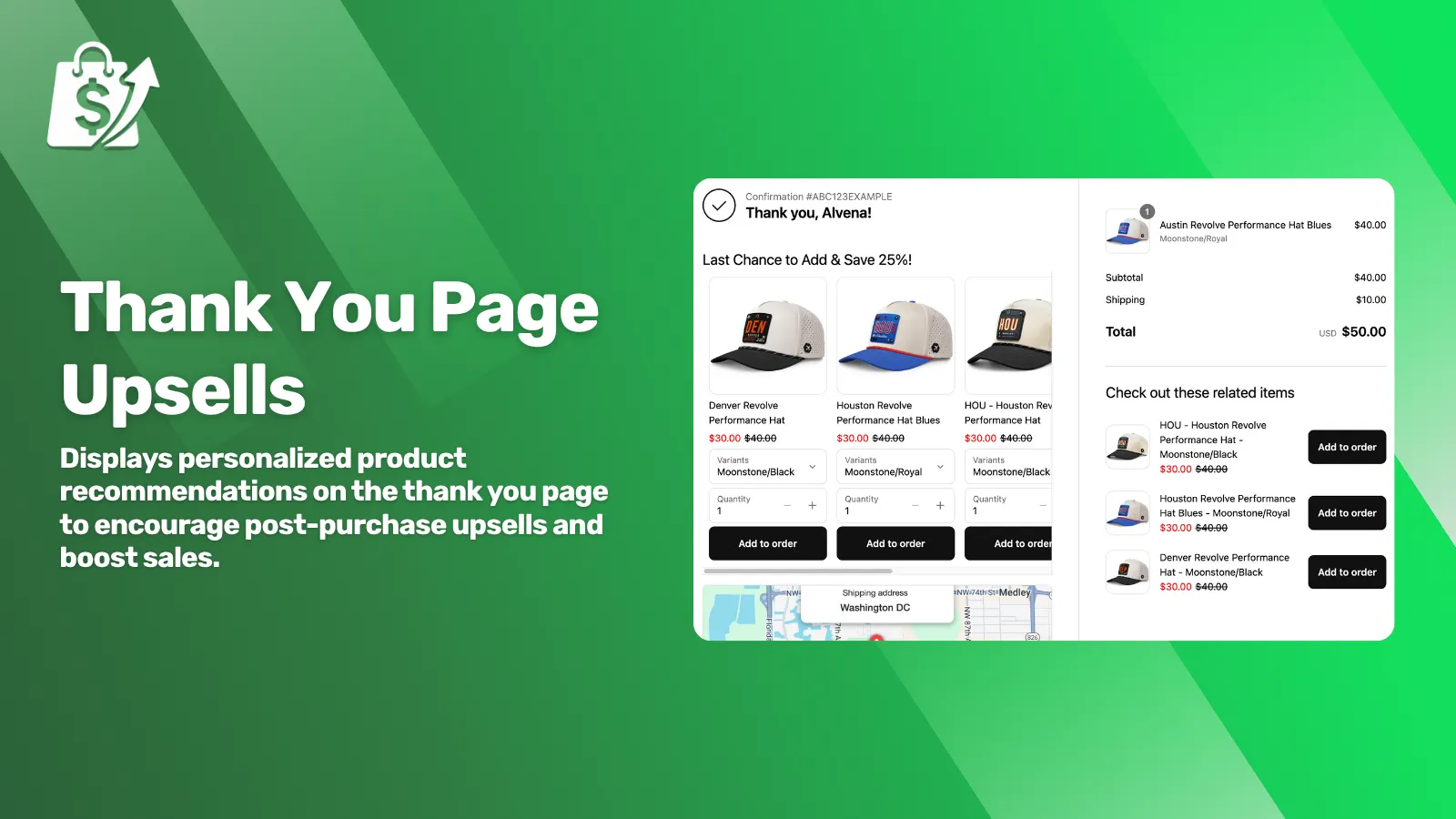 Personalized Shopify product recommendations dynamic display
The Shopify Plus PDP transcends its traditional role as a mere product display; it transforms into a sophisticated Zero-Party Data Reactor, proactively capturing explicit customer preferences and intent signals. This paradigm shift moves beyond passive analytics, embedding interactive elements like quizzes, configurators, and micro-surveys directly into the user experience. By prompting users to voluntarily share their needs, styles, or use cases, merchants gain unparalleled insights into individual motivations *before* a purchase decision. This rich, declared data then fuels a perpetual CRO cycle, enabling dynamic content delivery, hyper-personalized product recommendations, and tailored offers in real-time. Merchants leveraging the Shopify Plus product page optimization capabilities can continuously refine their merchandising strategies, reduce bounce rates, and significantly boost average order value (AOV) and customer lifetime value (LTV). This proactive data collection on the PDP ensures every interaction is an opportunity for precise personalization and ongoing conversion rate optimization.
Embracing zero-party data allows for a proactive, predictive CRO strategy. Instead of guessing what might work, you directly ask customers, then tailor the experience accordingly. This fundamental shift enhances relevance, reduces friction, and accelerates the path to conversion.
This approach transforms the Shopify CRO strategy from a series of isolated tests into a continuous, data-driven personalization engine. It creates a feedback loop that constantly refines the user experience based on explicit customer input.
Architecting the PDP as a Data Collection Nexus: Beyond Standard Fields
To truly leverage the Shopify Plus PDP as a zero-party data reactor, merchants must design it with intentional data capture in mind. This means moving beyond basic product descriptions and add-to-cart buttons to embed interactive elements that solicit explicit preferences.
The goal is to enrich the customer profile with declared data points at every relevant touchpoint on the product page. These zero-party data collection strategies empower precise personalization.
Interactive Elements: Quizzes, Configurators, and Preference Selectors
Engaging customers directly on the PDP offers the most potent opportunity for ZPD collection. These interactive tools provide value to the customer while simultaneously gathering critical insights.
- Product Quizzes: Implement short, guided quizzes that help customers find the perfect product based on their needs, lifestyle, or specific use case. For a skincare brand, this could be "Find Your Routine" asking about skin type, concerns, and goals.
- Configurators: For customizable products, a configurator allows users to build their ideal item. Each selection (color, material, features) is a direct declaration of preference, capturing valuable customer intent signals.
- Preference Selectors: Simple dropdowns or radio buttons can ask about size preferences, style inclinations (e.g., "Do you prefer classic or modern?"), or even desired delivery speed. These small interactions build a rich profile.
These elements make the product discovery process more engaging and less overwhelming. They transform passive browsing into an active, guided experience that benefits both the customer and the merchant.
Contextual Micro-Surveys and Dynamic Feedback Prompts
Beyond comprehensive quizzes, micro-surveys and dynamic prompts offer subtle yet powerful ways to gather contextual ZPD. These are embedded organically within the PDP experience.
- Exit-Intent Surveys: If a user hovers to leave, a brief prompt can ask "Was there something you couldn't find?" or "What stopped you from adding to cart?" with pre-defined options.
- Feature Preference Prompts: After a user spends time on a specific product feature, a small pop-up might ask, "Is this feature important to you?" or "What other features are you looking for?"
- Purchase Intent Triggers: For high-consideration items, a prompt might ask "Are you buying for yourself or as a gift?" or "What occasion is this for?" This guides personalized follow-up.
These prompts should be non-intrusive and offer clear value, such as helping the customer find alternatives or providing a more tailored experience. They capture specific customer journey mapping data points.
Leveraging User-Generated Content (UGC) for Intent Signals
UGC, particularly reviews and Q&A sections, provides a treasure trove of implicit and explicit customer intent signals. Structuring these sections effectively can turn them into ZPD collection points.
- Structured Reviews: Encourage customers to tag their reviews with specific attributes (e.g., "fit - true to size," "comfort - excellent," "style - casual"). This data directly informs other shoppers and your product development.
- Q&A Filtering: Allow users to upvote questions or filter answers by specific topics. This reveals what information is most critical to potential buyers, guiding future content and FAQs.
- Visual UGC: Integrate tools that allow customers to upload photos or videos. Analyzing the content (e.g., product in various settings, on different body types) can provide insights into usage and preferences.
Actively soliciting and analyzing UGC on the Shopify Plus PDP enriches the data profile and builds social proof, a powerful CRO lever.
From Raw Signals to Hyper-Personalization: Fueling Dynamic Merchandising
Collecting zero-party data is only the first step. The true power lies in its immediate application to create a hyper-personalized experience, driving data-driven merchandising and significant CRO gains.
This data must fuel dynamic content, recommendations, and offers in real-time. The Shopify Plus product page optimization becomes a living, adapting entity.
Real-time Product Recommendations Powered by Stated Preferences
Traditional recommendation engines often rely on collaborative filtering or purchase history, which can be limited for new customers or products. Zero-party data offers a superior alternative.
- Preference-Based Matching: If a customer states a preference for "organic ingredients" or "sustainable materials" via a quiz, product recommendations immediately filter to display only matching items.
- Needs-Driven Bundles: When a user indicates a specific problem they're trying to solve (e.g., "dry skin"), the system can suggest a bundle of products explicitly designed to address that need.
- Style-Aligned Suggestions: For fashion or home goods, stated style preferences (e.g., "minimalist," "bohemian") can drive recommendations for complementary products or entire outfits.
These personalized product recommendations are highly relevant because they are based on the customer's explicit declarations. This significantly boosts conversion rates and average order value (AOV).
Dynamic Content Blocks: Tailoring Messaging and Offers
The Shopify Plus PDP can adapt its messaging and visual content in real-time based on collected zero-party data. This creates an incredibly relevant and persuasive experience.
- Personalized Value Propositions: If a customer prioritizes "fast shipping," a dynamic banner can highlight expedited delivery options. If "sustainability" is key, relevant eco-certifications can be emphasized.
- Contextual Offers: Based on stated budget or interest, specific discounts or free gift offers can be presented. For example, "Customers interested in X often pair it with Y – get 15% off when you buy both."
- Tailored Social Proof: Display reviews or testimonials that align with the customer's stated preferences. If they prioritize "durability," show reviews that specifically mention product longevity.
This dynamic content Shopify Plus functionality ensures that every visitor sees the most compelling version of your product page, driving higher engagement and conversions.
Predictive Merchandising: Anticipating Next Best Actions
Combining zero-party data with behavioral data allows for powerful predictive merchandising. This moves beyond simple personalization to anticipate a customer's next likely action or need.
- Proactive Replenishment Reminders: If a customer states they use a product daily, the system can predict when they'll run out and send a timely reorder reminder.
- Lifecycle Stage Personalization: Based on declared life events (e.g., expecting a baby, moving to a new home), the PDP can dynamically suggest relevant product categories or bundles.
- Segmented Browse Paths: A user who indicates interest in "high-performance gear" might see a different primary navigation or category emphasis on subsequent visits, streamlining their discovery.
This advanced application of ZPD fosters a sense of understanding and anticipation, building stronger customer loyalty and increasing customer lifetime value (LTV).
The Technical Blueprint: Integrating Zero-Party Data Tools with Shopify Plus
Implementing a robust zero-party data collection strategy on Shopify Plus PDPs requires a thoughtful technical architecture. Seamless integration is key to capturing, processing, and activating this valuable data.
Merchants need to leverage Shopify's powerful ecosystem and integrate with specialized tools to centralize and utilize customer profiles effectively. This ensures efficient progressive profiling e-commerce.
Shopify Plus APIs and Webhooks for Data Ingestion
Shopify Plus provides a flexible and powerful set of APIs and webhooks crucial for ingesting zero-party data from your PDP.
- Storefront API: Use this to capture real-time customer interactions and preferences directly from the front-end. When a user completes a quiz or makes a selection in a configurator, this data can be sent to a backend system.
- Admin API: This API allows you to update customer profiles with the collected ZPD. Custom metafields can be used to store specific preferences (e.g., `customer.metafield.favorite_color`).
- Webhooks: Set up webhooks to trigger actions when specific events occur (e.g., customer update, order creation). This can push newly collected ZPD to your CDP or personalization engine in real-time.
Properly configured APIs and webhooks ensure that zero-party data flows efficiently from the PDP into your central customer profiles, ready for activation.
CDP Integration: Centralizing Customer Profiles
A Customer Data Platform (CDP) is the cornerstone of any advanced zero-party data strategy. It centralizes all customer data, creating a unified, persistent profile.
- Unified Customer View: A CDP consolidates ZPD (preferences, intent) with first-party data (purchase history, browsing behavior) and potentially third-party data into a single, comprehensive customer profile.
- Segmentation and Activation: The CDP allows for advanced segmentation based on explicit preferences. These segments can then be activated across various channels, including your Shopify Plus PDP for real-time personalization.
- Data Orchestration: The CDP acts as the brain, orchestrating data flow between Shopify Plus, your personalization engine, email marketing platforms, and other martech tools.
Integrating a robust CDP is a strategic investment that unlocks the full potential of zero-party data for perpetual CRO and deep customer journey mapping.
Front-end Development Strategies for Seamless Data Capture (Liquid, JS)
The user experience for collecting zero-party data must be seamless and intuitive. This requires careful front-end development using Shopify's Liquid templating language and JavaScript.
- Liquid for Structural Integration: Use Liquid to embed quiz elements, survey forms, and configurator placeholders directly into your Shopify Plus product page optimization templates. Dynamically render content based on existing customer data (e.g., "Welcome back, [Customer Name]!").
- JavaScript for Interactivity and API Calls: JavaScript powers the interactive elements. It handles user input, validates selections, and makes asynchronous calls to the Shopify Storefront API or your CDP's API to send collected data.
- AJAX for Non-Disruptive Capture: Implement AJAX requests to send data in the background without requiring a page reload. This ensures a smooth user experience as preferences are collected.
Prioritizing performance and user experience in front-end development is crucial. A clunky or slow interaction will deter users from sharing valuable zero-party data.
Measuring the Impact: KPIs for Perpetual CRO and Data-Driven Growth
Measuring the effectiveness of zero-party data initiatives on your Shopify Plus PDP goes beyond traditional conversion rates. A holistic approach is needed to capture the true value of enhanced personalization.
Merchants must track a broader set of KPIs to understand the long-term impact on customer engagement, satisfaction, and overall business growth. This fosters conversion rate optimization tactics that are truly perpetual.
Beyond Conversion Rate: Tracking Engagement, AOV, and LTV
While conversion rate remains important, zero-party data influences several other critical metrics that reflect deeper customer relationships and profitability.
- Engagement Rate with ZPD Tools: Track the percentage of users who interact with quizzes, configurators, or micro-surveys on the PDP. High engagement signifies perceived value.
- Average Order Value (AOV): Personalized recommendations and dynamic bundles, fueled by ZPD, often lead to larger purchase sizes. Monitor AOV for segments exposed to personalization.
- Customer Lifetime Value (LTV): By delivering highly relevant experiences and building loyalty, ZPD strategies significantly increase LTV. Track repeat purchase rates, retention, and overall customer spend over time.
- Reduced Return Rates: When customers explicitly state preferences, they are more likely to receive products that genuinely meet their needs, leading to fewer returns.
These metrics provide a comprehensive view of how zero-party data impacts not just immediate sales, but also long-term customer relationships and profitability.
A/B Testing Zero-Party Data Collection Mechanisms
Optimizing the data collection process itself is crucial. A/B testing different approaches ensures you are maximizing the quantity and quality of zero-party data captured.
- Quiz Format Variations: Test different quiz lengths, question types (multiple choice vs. open-ended), and visual designs to see which yields higher completion rates and richer data.
- Prompt Placement and Timing: Experiment with where and when micro-surveys or feedback prompts appear on the Shopify Plus PDP. Is an exit-intent prompt more effective than a scroll-triggered one?
- Incentive Testing: A/B test whether offering a small incentive (e.g., "complete our quiz for 10% off your first order") impacts data submission rates and data quality.
Continuously optimizing your zero-party data collection strategies ensures you are always improving the efficiency of your data reactor.
Establishing a Feedback Loop for Continuous Optimization
Perpetual CRO requires a continuous feedback loop where insights from ZPD inform further optimization. This is an iterative process of learning and adapting.
- Data Analysis and Segmentation: Regularly analyze collected ZPD to identify new customer segments, emerging trends, or unmet needs.
- Personalization Refinement: Use these insights to refine your personalization rules, product recommendation algorithms, and dynamic content Shopify Plus blocks.
- Product Development Input: ZPD can provide invaluable feedback for product development teams, highlighting desired features or common pain points.
- Marketing Strategy Adjustment: Adapt your broader marketing messages and campaigns based on the explicit preferences and intentions revealed through ZPD.
This ongoing cycle ensures that your Shopify Plus PDP remains at the forefront of product page optimization, constantly evolving to meet customer needs and drive growth.
Future-Proofing Your PDP: Ethical Data Collection and Trust Building
As privacy concerns escalate, ethical data collection is not just a compliance issue; it's a foundation for building customer trust and loyalty. Your Shopify Plus PDP must reflect this commitment.
Zero-party data, by its very nature, is transparent, but how you communicate its purpose and manage it is paramount. This ensures your ecommerce merchandising strategy is sustainable.
Transparency and Value Exchange in Data Capture
Customers are more willing to share data when they understand the benefit and trust the brand. Transparency is key to a successful zero-party data strategy.
- Clear Communication: Explicitly state why you're asking for data and how it will be used to enhance their experience. For example, "Tell us your preferences so we can show you products you'll love."
- Visible Value Proposition: Ensure that the immediate benefit of sharing data is evident. A quiz that leads directly to personalized recommendations provides clear value.
- Opt-in Mechanisms: Always make data sharing voluntary and provide clear opt-in options. Avoid making data collection feel forced or deceptive.
This reciprocal relationship, where customers share data in exchange for a better experience, strengthens brand perception and fosters long-term engagement.
Compliance Considerations (GDPR, CCPA) for Zero-Party Data
Even though zero-party data is willingly provided, it still falls under various privacy regulations. Ensuring compliance is non-negotiable for enterprise merchants.
- Data Minimization: Only collect the data you genuinely need to provide value. Avoid asking for unnecessary personal information.
- Consent Management: Implement robust consent management platforms that clearly record and manage customer consent for data collection and usage, especially for sensitive data.
- Right to Access and Deletion: Ensure customers can easily access, modify, or request the deletion of their data, in compliance with regulations like GDPR and CCPA.
- Secure Storage: All collected zero-party data must be stored securely, protected from breaches and unauthorized access.
Proactive adherence to privacy regulations builds trust and safeguards your brand against potential legal and reputational risks.
Building Customer Loyalty Through Personalized Experiences
The ultimate goal of leveraging zero-party data on your Shopify Plus PDP is to forge deeper, more loyal customer relationships. Personalization is the engine of loyalty in modern e-commerce.
- Relevant Product Discovery: By guiding customers to products that truly match their explicit needs, you reduce frustration and increase satisfaction.
- Anticipated Needs: When your brand proactively understands and caters to a customer's evolving needs, it creates a powerful sense of being understood and valued.
- Consistent Experience: Use ZPD to maintain a consistent, personalized experience across all touchpoints, from the PDP to email campaigns and post-purchase engagement.
A Shopify Plus PDP that acts as a zero-party data reactor isn't just optimizing conversions; it's cultivating an ecosystem of trust, relevance, and enduring customer loyalty.
Frequently Asked Questions
What is zero-party data and why is it crucial for Shopify Plus PDPs?
Zero-party data (ZPD) refers to information that a customer intentionally and proactively shares with a brand. Unlike first-party data (observed behavior) or third-party data (acquired from external sources), ZPD includes explicit preferences, purchase intentions, communication preferences, and personal context. For Shopify Plus Product Detail Pages (PDPs), ZPD is crucial because it offers direct insight into what a customer *wants* or *prefers*, rather than inferring it from their past actions. By transforming the Shopify Plus PDP into a "Zero-Party Data Reactor," merchants can embed interactive elements like quizzes, configurators, and micro-surveys to capture these explicit signals. This direct input enables hyper-personalization, dynamic content delivery, and tailored product recommendations in real-time. This proactive approach moves beyond reactive A/B testing, significantly boosting conversion rates, average order value (AOV), and customer lifetime value (LTV) by ensuring every interaction is precisely aligned with individual customer needs and desires.
How does zero-party data enhance Shopify Plus product page optimization?
Zero-party data significantly enhances Shopify Plus product page optimization by allowing merchants to tailor the PDP experience based on explicit customer preferences. Instead of generic displays, the PDP can dynamically adjust product recommendations, display personalized value propositions (e.g., highlighting fast shipping for a customer who values speed), and offer contextual promotions. This direct input from customers through quizzes, configurators, or micro-surveys ensures that the content is highly relevant, reducing friction, increasing engagement, and ultimately driving higher conversion rates and AOV.
What are some practical examples of zero-party data collection on a Shopify Plus PDP?
Practical examples of zero-party data collection on a Shopify Plus PDP include product quizzes (e.g., "Find Your Skincare Routine" asking about skin type and concerns), product configurators for customizable items (e.g., building a custom shoe), and preference selectors (e.g., asking about preferred style or material). Micro-surveys, like exit-intent prompts asking "What stopped you from buying?", and structured review sections where customers tag product attributes (e.g., "fit: true to size") also serve as effective zero-party data collection mechanisms.

Ecommerce manager, Shopify & Shopify Plus consultant with 10+ years of experience helping enterprise brands scale their ecommerce operations. Certified Shopify Partner with 130+ successful store migrations.
![Shopify Plus PDPs: Master Segment Merchandising for [25% CRO]](/img/blog/shopify-plus-pdp-merchandising-2.webp)

![Shopify Plus AI: Stop Fraud, Unlock 20%+ Revenue [Ecommerce Profit]](/img/blog/shopify-plus-ai-fraud-engine-1.webp)