
- What is Shopify Plus total cost of ownership?
- Shopify Plus TCO Diagnostic Table
- Unmasking the "Dark Matter": Defining Invisible Costs in Shopify Plus TCO
- Beyond Licensing: The True Spectrum of Shopify Plus Expenses
- The Compounding Effect of Integration Sprawl on Operational Overhead
- The Anatomy of Technical Debt in a Shopify Plus Ecosystem
- Legacy Code & Customizations: A Drag on Future Innovation
- App Overload & Unused Integrations: Security Risks and Performance Bottlenecks
- Data Silos and Inefficient Workflows: The Hidden Labor Costs
- Quantifying the Unquantifiable: Frameworks for Measuring Invisible Costs
- Activity-Based Costing (ABC) for Integration Maintenance
- Opportunity Cost of Delayed Feature Development
- Risk Assessment: The Cost of Security Vulnerabilities and Downtime
- The 2026 Horizon: Projecting the Escalation of TCO
- The Impact of AI/ML Integration Demands on Future Costs
- Evolving Compliance & Data Privacy Regulations: New Technical Debt Vectors
- The Talent Gap: Rising Costs of Specialized Shopify Plus Developers
- Strategic Mitigation: Architecting for Shopify Plus Cost Optimization
- Proactive Technical Debt Management: Refactoring & Decommissioning Strategies
- API-First Approach & Microservices: Preventing Future Sprawl
- Vendor Consolidation & Strategic Partnership Management
- Building a Resilient Shopify Plus Roadmap: A TCO-Centric Approach
- Regular TCO Audits and Performance Benchmarking
- Investing in Developer Education and Internal Expertise
- The ROI of Clean Architecture: Long-Term Savings vs. Short-Term Spend
- Case Studies: Real-World Examples of TCO Overruns and Optimization Successes
- Conclusion: Illuminating the Path to Sustainable Shopify Plus Growth
- Related Reading
What is Shopify Plus total cost of ownership?
Shopify Plus total cost of ownership is the combined cost of the platform fee, payment rates, apps, custom development, integrations, analytics, QA, support, and technical debt. The expensive part is rarely the license alone; unmanaged app sprawl, duplicate tooling, and slow workflows usually create the hidden TCO drag.
Shopify Plus TCO Diagnostic Table
| Cost layer | What to measure | Action |
|---|---|---|
| Platform and payments | Plan fee, payment rates, markets, and checkout requirements. | Compare against the Shopify pricing guide. |
| Apps and integrations | Monthly app spend, duplicate features, scripts, API dependencies. | Run an app-stack audit before adding more software. |
| People and process | Manual workflows, QA cost, developer retainer, support tickets. | Prioritize fixes through Shopify Plus consulting. |
Next step: Use the Shopify Plus cost optimization guide to turn hidden TCO into a prioritized savings roadmap.
Unmasking the "Dark Matter": Defining Invisible Costs in Shopify Plus TCO
Invisible costs in Shopify Plus Total Cost of Ownership (TCO) are the often-overlooked, compounding expenses beyond licensing and visible operational outlays. These include the financial burden of unmanaged integration sprawl, accumulated technical debt, inefficient workflows, and the opportunity costs of delayed innovation, significantly inflating long-term platform expenses by 2026.
Beyond Licensing: The True Spectrum of Shopify Plus Expenses
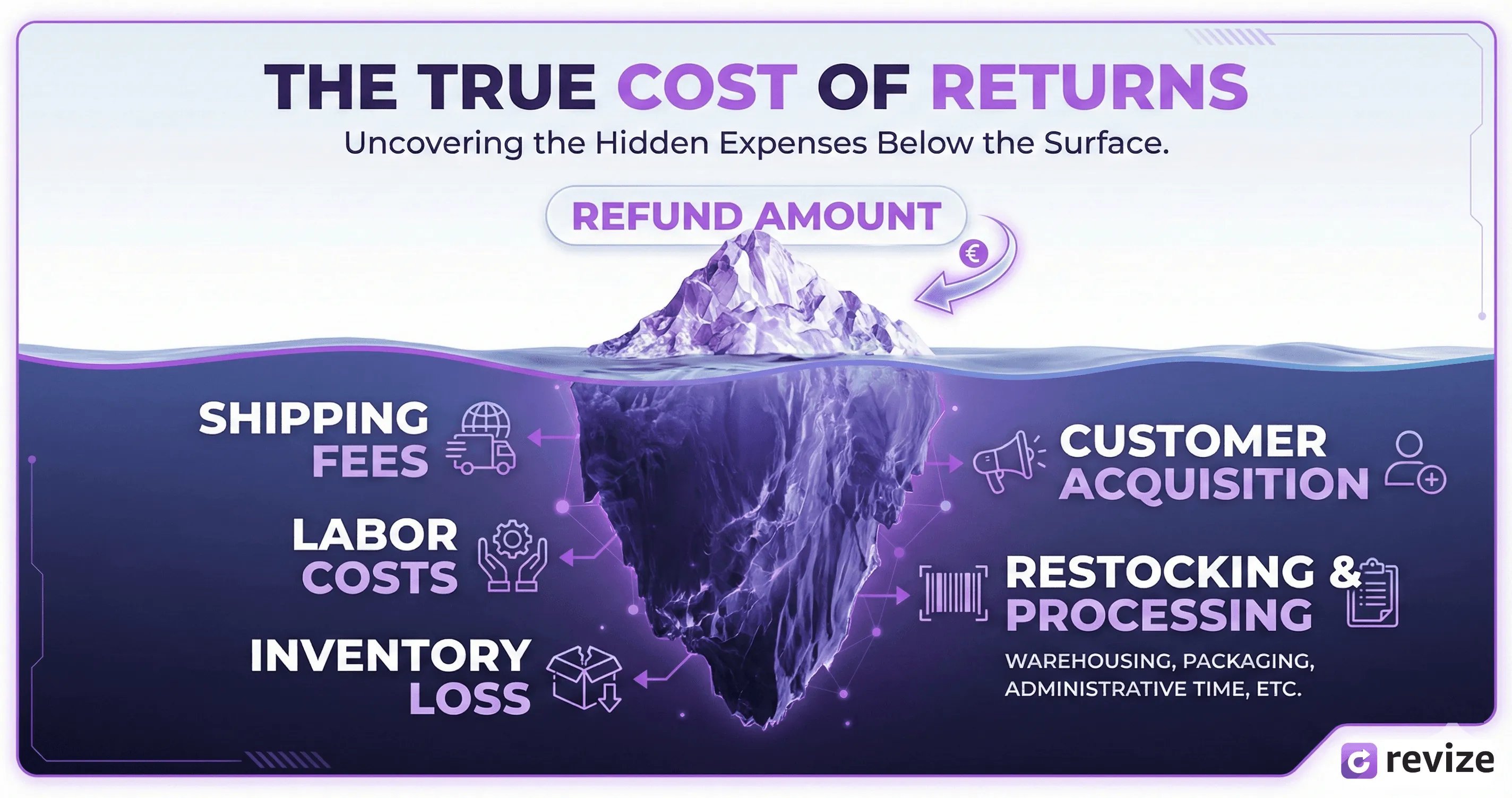
Merchants often fixate on core Shopify Plus pricing, transaction fees, and app subscriptions. However, this visible layer represents only a fraction of the true Total Cost of Ownership. The real financial drain lies in the "dark matter"—the hidden, indirect, and compounding expenses.
Shopify Plus invisible cost iceberg
These invisible costs stem from platform complexity, technical inefficiencies, and the sheer effort required to maintain a performant, secure, and scalable e-commerce operation. Ignoring them leads to budget overruns, slower growth, and a diminished competitive edge.
The Compounding Effect of Integration Sprawl on Operational Overhead
Integration sprawl occurs when a Shopify Plus ecosystem accumulates numerous apps, custom scripts, and third-party services without a cohesive strategy. Each additional integration, while solving a specific business need, adds layers of complexity. This directly increases operational overhead.
Managing data synchronization across disparate systems, debugging conflicts between apps, and updating API keys become constant, time-consuming tasks. The more integrations, the higher the likelihood of performance degradation, security vulnerabilities, and increased developer hours spent on maintenance rather than innovation. This leads to escalating shopify cost optimization challenges.
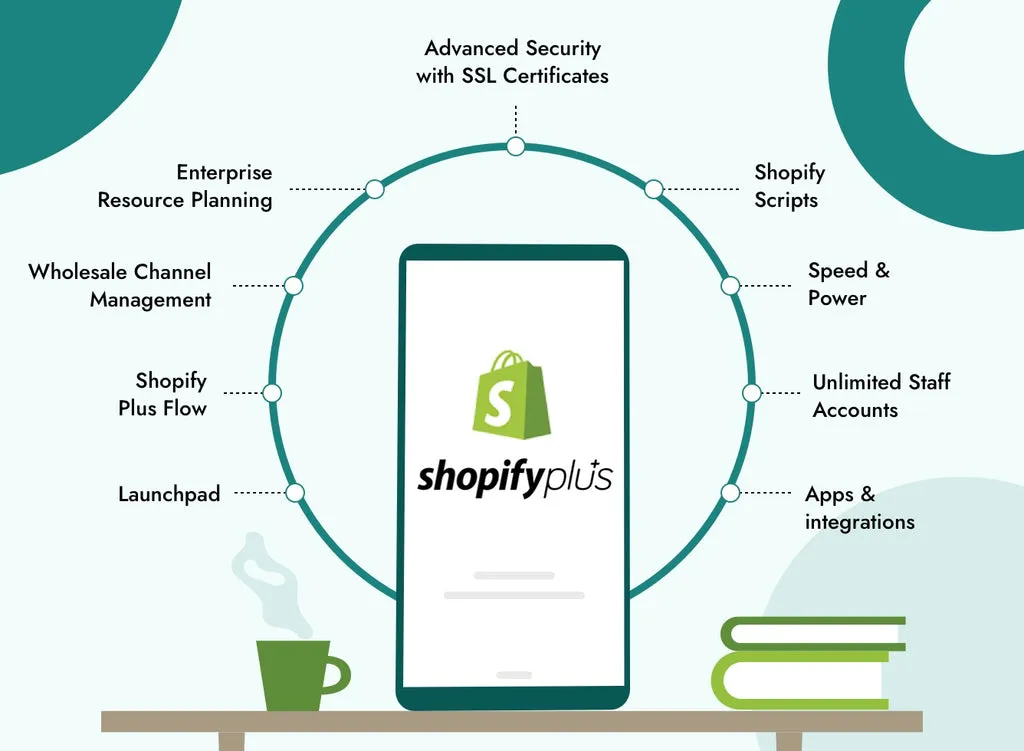 Shopify Plus system tangled integrations
The Anatomy of Technical Debt in a Shopify Plus Ecosystem
Technical debt within Shopify Plus is the implicit cost incurred when development teams choose expedient, short-term solutions over robust, long-term architectural approaches. It's a mortgage on future development, accruing interest in the form of increased maintenance, reduced agility, and slower feature delivery. Recognizing and addressing this is critical for sustainable growth.
Legacy Code & Customizations: A Drag on Future Innovation
Over time, custom Liquid code, JavaScript hacks, and bespoke theme sections accumulate, often implemented quickly to meet immediate business demands. These legacy customizations, while functional, frequently lack proper documentation, adhere to outdated coding standards, or create rigid dependencies. They become a significant drag on future innovation.
Upgrading themes, adopting new Shopify features, or implementing modern UX patterns becomes exponentially harder and more expensive. Developers spend more time deciphering and cautiously modifying existing code than building net-new functionalities. This directly impacts your ability to rapidly deploy features and respond to market changes.
App Overload & Unused Integrations: Security Risks and Performance Bottlenecks
The Shopify App Store offers an incredible array of tools, but indiscriminate installation leads to app overload. Each installed app, even if inactive, often injects its own scripts, stylesheets, and data structures into your store. This bloats theme size, increases page load times, and degrades the customer experience.
Furthermore, every app represents a potential security vector. Unused or poorly maintained apps can expose your store to vulnerabilities, making it a target for data breaches or malicious injections. Regularly auditing and decommissioning unnecessary integrations is a critical step in E-commerce technical debt impact mitigation and ensuring platform security.
Data Silos and Inefficient Workflows: The Hidden Labor Costs
A fragmented Shopify Plus ecosystem often results in data silos, where critical information resides in separate applications without seamless communication. This necessitates manual data exports, imports, and reconciliation processes across systems like ERP, CRM, and marketing platforms. Such manual interventions are prone to error.
These inefficient workflows translate directly into hidden labor costs, as teams spend countless hours on administrative tasks that could be automated. This not only consumes valuable employee time but also delays critical business decisions due to inconsistent or incomplete data. Addressing data silos is a key aspect of shopify cost optimization.
Quantifying the Unquantifiable: Frameworks for Measuring Invisible Costs
Measuring invisible costs requires a systematic approach, transforming qualitative observations into quantifiable metrics. These frameworks provide the necessary tools to expose the true financial burden and build a strong business case for proactive investment. Without these insights, you're navigating your Shopify Plus ecosystem blind.
Activity-Based Costing (ABC) for Integration Maintenance
Activity-Based Costing (ABC) is a powerful framework for dissecting the true cost of maintaining your Shopify Plus integrations. It involves identifying specific maintenance activities, assigning resource consumption to each, and then calculating their total cost.
Steps for Implementing ABC for Integrations:
- Identify Key Integration Activities: List all recurring tasks related to your integrations. Examples include debugging API errors, updating credentials, monitoring data syncs, testing new app versions, resolving app conflicts, and managing subscription renewals.
- Assign Time and Resources: For each activity, estimate the average time spent by your technical team (developers, project managers, QA) per week or month. Include any associated software licenses or external consulting hours.
- Calculate Labor Costs: Multiply the estimated time by the hourly rate (fully loaded, including benefits) of the personnel involved.
- Aggregate and Analyze: Sum these costs across all integrations to reveal the total monthly or annual expenditure on integration maintenance. This often exposes shockingly high figures for seemingly minor tasks, highlighting the true total cost of ownership.
Opportunity Cost of Delayed Feature Development
Technical debt and integration sprawl frequently delay the launch of new features, campaigns, or market expansions. The opportunity cost represents the profit or revenue forgone due to these delays. This is a crucial metric for justifying investment in technical debt remediation.
To quantify this, estimate the potential incremental revenue a new feature (e.g., personalized recommendations, a new payment gateway, an improved checkout flow) would generate per month. Then, calculate how many months its deployment is delayed due to existing technical impediments. The product of these two figures reveals the lost revenue. For instance, if a feature could generate an additional $50,000 per month and is delayed by three months, the opportunity cost is $150,000.
Risk Assessment: The Cost of Security Vulnerabilities and Downtime
Unmanaged technical debt and app overload significantly increase your risk of security breaches and platform downtime. Quantifying these risks involves estimating the potential financial impact of such events. This calculation underscores the importance of a robust, secure Shopify Plus ecosystem.
To assess this risk:
- Calculate Revenue Loss per Hour of Downtime: Determine your average hourly revenue. Multiply this by the estimated duration of a potential outage.
- Estimate Brand Damage: While harder to quantify, consider the long-term impact on customer trust, customer lifetime value (CLTV), and potential marketing spend required to repair reputation.
- Factor in Compliance Fines: Research potential fines for data breaches under regulations like GDPR or CCPA, especially if customer data is compromised due to app vulnerabilities.
- Include Remediation Costs: Account for the cost of incident response, forensic analysis, and re-securing your platform after a breach. A single major incident can easily cost hundreds of thousands to millions of dollars, dwarfing the cost of proactive measures.
The 2026 Horizon: Projecting the Escalation of TCO
As the e-commerce landscape rapidly evolves, the invisible costs associated with Shopify Plus TCO are not static; they are set to escalate significantly by 2026. Proactive planning is essential to navigate these future challenges and maintain a competitive edge. Understanding these vectors allows for strategic investment.
The Impact of AI/ML Integration Demands on Future Costs
By 2026, AI and Machine Learning will be deeply embedded in e-commerce operations, driving personalization, predictive analytics, and automated customer service. Integrating these sophisticated AI/ML tools will demand pristine, well-structured data and robust API connections. Existing data silos and messy integration sprawl will become enormous liabilities.
Merchants with fragmented data and complex, brittle integrations will face prohibitive costs in preparing their ecosystems for AI/ML adoption. The effort to clean, normalize, and unify data for these systems will be substantial, adding another layer to shopify plus hidden costs. This will undoubtedly drive up shopify plus pricing 2026 for those unprepared.
Evolving Compliance & Data Privacy Regulations: New Technical Debt Vectors
The regulatory landscape around data privacy and consumer protection is constantly evolving and intensifying. By 2026, new regional and international compliance regulations are almost guaranteed to emerge, requiring significant technical adjustments. These evolving mandates create new technical debt vectors.
Adapting existing apps, custom code, and data flows to meet stricter consent management, data portability, and deletion requirements will be a costly endeavor. Merchants with poorly documented systems or reliance on non-compliant third-party apps will incur substantial remediation costs and face increased legal risks.
The Talent Gap: Rising Costs of Specialized Shopify Plus Developers
The demand for highly skilled Shopify Plus developers, particularly those proficient in complex integrations, headless commerce architectures, and technical debt remediation, continues to outpace supply. This talent gap is projected to widen significantly by 2026. Consequently, the cost of acquiring and retaining specialized expertise will rise dramatically.
Enterprises will face increased salaries for in-house teams or higher rates for external Shopify Plus Consulting services. This scarcity makes it even more critical to foster internal knowledge and implement efficient development practices to reduce reliance on constant external intervention.
Strategic Mitigation: Architecting for Shopify Plus Cost Optimization
Proactive architectural decisions are paramount for mitigating invisible costs and achieving long-term Shopify Plus cost optimization. This isn't just about fixing past mistakes; it's about building a resilient, scalable, and cost-efficient foundation for future growth. Strategic planning in these areas yields significant ROI.
Proactive Technical Debt Management: Refactoring & Decommissioning Strategies
Managing technical debt is an ongoing process, not a one-time fix. Implementing a structured approach to refactoring and decommissioning is crucial for maintaining a healthy Shopify Plus ecosystem.
Here are core strategies for proactive technical debt management:
- Regular Code Audits: Schedule quarterly or semi-annual comprehensive audits of your theme code, custom scripts, and app integrations. Identify outdated Liquid, inefficient JavaScript, and redundant CSS. Prioritize remediation based on impact (performance, security, maintenance burden).
- Dedicated Refactoring Sprints: Allocate specific development sprints solely for addressing technical debt, separate from new feature development. This ensures debt is systematically tackled rather than continuously deprioritized. Focus on modularizing code, improving readability, and updating to modern standards.
- App Decommissioning Protocol: Establish a formal process for reviewing and decommissioning unused or underperforming apps. Before removal, ensure no critical data dependencies exist and thoroughly test the store's functionality post-deactivation. This reduces bloat, improves performance, and minimizes security risks.
- Comprehensive Documentation: Insist on thorough documentation for all custom code, app configurations, and integration points. This reduces knowledge transfer friction and allows new developers to quickly understand and maintain the ecosystem, saving significant time and reducing errors.
API-First Approach & Microservices: Preventing Future Sprawl
Adopting an API-first approach and considering microservices architecture can fundamentally change how you integrate and extend your Shopify Plus store. This strategy prevents future integration sprawl by promoting modularity and loose coupling.
Design new functionalities and integrations to interact primarily via well-defined APIs, rather than direct database access or tightly coupled code. For complex, non-core business logic, consider externalizing it into lightweight microservices. This makes your system more resilient, easier to scale, and more adaptable to changes, reducing future maintenance overhead and supporting headless commerce cost implications.
Vendor Consolidation & Strategic Partnership Management
Reducing the number of third-party vendors and fostering strategic partnerships can significantly streamline your Shopify Plus ecosystem. Each vendor adds a layer of complexity, contractual overhead, and potential integration challenges. Prioritize quality over quantity.
Consolidate app functionalities where possible, opting for robust, multi-feature solutions from reputable providers. Engage in strategic partnership management, working closely with key vendors to understand their roadmaps, influence feature development, and negotiate favorable terms. This approach minimizes vendor lock-in Shopify Plus risks and simplifies your support matrix, leading to better platform cost optimization.
Building a Resilient Shopify Plus Roadmap: A TCO-Centric Approach
A resilient Shopify Plus roadmap doesn't just focus on features; it integrates TCO considerations at every stage. This forward-thinking approach ensures that decisions made today contribute to a sustainable, cost-effective platform tomorrow. It's about prioritizing long-term health over short-term gains.
Regular TCO Audits and Performance Benchmarking
Proactive TCO management requires consistent vigilance. Implement a schedule for regular TCO audits, perhaps quarterly or bi-annually. These audits should encompass all visible and invisible costs, using the frameworks discussed earlier. Track changes over time to identify trends and areas of concern.
Complement these audits with performance benchmarking. Regularly measure key metrics like page load speed, conversion rates, and server response times against industry standards and your own historical data. Deviations can signal underlying technical debt or integration issues, prompting deeper investigation and targeted Shopify Theme Optimization efforts.
Investing in Developer Education and Internal Expertise
Relying solely on external agencies for every development task can be costly and lead to knowledge silos. Investing in your internal team's Shopify Plus expertise is a crucial long-term cost-saving strategy. Provide opportunities for developer education, certifications, and workshops focused on best practices, new platform features, and efficient coding standards.
A skilled in-house team can perform routine maintenance, quickly diagnose issues, and implement minor feature enhancements without external dependency. This reduces the hourly spend on external resources and ensures institutional knowledge remains within your organization. This focus on internal capability is a cornerstone of effective Shopify Plus cost optimization.
The ROI of Clean Architecture: Long-Term Savings vs. Short-Term Spend
The upfront investment in clean architecture—prioritizing modular code, robust integrations, and minimal technical debt—might appear costly in the short term. However, the Return on Investment (ROI) over the platform's lifespan is substantial. A clean architecture leads to faster development cycles, fewer bugs, easier maintenance, and greater scalability.
It reduces the time and cost associated with future upgrades, new feature deployments, and troubleshooting. By minimizing the compounding interest of technical debt, you free up resources for innovation, directly contributing to revenue growth. This strategic investment is fundamental for any enterprise considering a Shopify Migration Service or significant platform overhaul.
Case Studies: Real-World Examples of TCO Overruns and Optimization Successes
Understanding the tangible impact of invisible costs and the benefits of strategic mitigation is best illustrated through real-world scenarios. These examples underscore the critical need for proactive TCO management.
TCO Overrun Scenario: A rapidly growing enterprise merchant, focused solely on speed-to-market, accumulated over 60 apps and numerous custom Liquid snippets for every minor feature request. Their site speed plummeted, conversions dropped by 15%, and their monthly maintenance budget for agency support ballooned to $20,000. When a critical Shopify update broke several core functionalities, the cost to untangle the spaghetti code and refactor their checkout totaled over $150,000, delaying a major holiday campaign.
Optimization Success Scenario: A direct-to-consumer brand, anticipating future scale, invested heavily in an API-first headless Shopify Plus architecture from the outset. They meticulously vetted apps, implemented a strict technical debt review process, and maintained a lean integration footprint. Despite higher initial development costs, their monthly operational spend for maintenance remained stable at $5,000, even as revenue doubled. They launched new features 30% faster than competitors and experienced zero critical downtime during peak seasons, showcasing significant platform cost optimization.
Conclusion: Illuminating the Path to Sustainable Shopify Plus Growth
The "dark matter" of Shopify Plus TCO—the invisible costs of integration sprawl and technical debt—represents a formidable challenge for enterprise merchants. These expenses, often overlooked, silently erode profitability, stifle innovation, and complicate scaling efforts. By 2026, the confluence of AI/ML demands, evolving regulations, and a tightening talent market will only accelerate their escalation.
However, this future is not inevitable. By adopting a TCO-centric approach, leveraging frameworks like Activity-Based Costing, and prioritizing proactive technical debt management, merchants can illuminate these hidden costs. Strategic architectural decisions, such as an API-first methodology and vendor consolidation, build a resilient foundation. Investing in internal expertise and regularly auditing your ecosystem transforms short-term spending into long-term savings. The path to sustainable Shopify Plus growth lies in understanding, quantifying, and strategically mitigating the invisible costs that truly define your total cost of ownership.
Frequently Asked Questions
What are the "invisible costs" in Shopify Plus Total Cost of Ownership (TCO)?
Invisible costs in Shopify Plus TCO are the often-unaccounted-for, compounding expenses that extend far beyond initial licensing fees and visible operational outlays. These include the significant financial burden of unmanaged integration sprawl, where numerous apps and custom scripts create complexity and maintenance overhead. Accumulated technical debt, resulting from expedient short-term development choices, accrues interest in the form of increased debugging, slower feature delivery, and reduced agility. Inefficient workflows, often caused by data silos across disparate systems, lead to hidden labor costs from manual data reconciliation. Furthermore, the opportunity costs of delayed innovation—revenue forgone due to technical impediments delaying new feature launches—are substantial. By 2026, these factors are projected to significantly inflate long-term platform expenses, making their quantification critical for effective Shopify cost optimization and sustainable growth.
How does integration sprawl increase Shopify Plus operational overhead?
Integration sprawl occurs when too many apps and third-party services are added without a cohesive strategy. Each integration adds complexity, increasing the time and resources needed for data synchronization, debugging conflicts, updating APIs, and managing security. This leads to higher developer hours spent on maintenance rather than innovation, directly escalating operational overhead and making Shopify cost optimization more challenging.
What are key strategies for proactive technical debt management in Shopify Plus?
Proactive technical debt management involves regular code audits to identify outdated or inefficient elements, dedicating specific development sprints to refactoring, and establishing a formal protocol for decommissioning unused apps. Thorough documentation of custom code and configurations is also crucial. These strategies reduce maintenance burdens, improve performance, and free up resources for future innovation, contributing significantly to Shopify Plus cost optimization.

Ecommerce manager, Shopify & Shopify Plus consultant with 10+ years of experience helping enterprise brands scale their ecommerce operations. Certified Shopify Partner with 130+ successful store migrations.

![Shopify Plus 2026: Decommission Legacy Systems & Save Big [TCO]](/img/blog/shopify-plus-2026-pricing-legacy-1.webp)
![Shopify Plus: Your 2026 Carbon Tax Bill? [Optimize Costs Now]](/img/blog/shopify-plus-carbon-cost-2026-1.webp)