
![Invisible Interface: BCI & Shopify Plus [JS Blueprint 2026] Cover Image](/img/blog/bci-shopify-plus-javascript-2026-1.webp)
- Decoding the Neuro-Commerce Imperative: Why BCI is the Next Frontier for Shopify Plus by 2026
- Beyond Clicks: Understanding Brainwave-Driven Intent in E-commerce
- Market Drivers: Consumer Demand for Seamless, Predictive Experiences
- JavaScript's Unseen Hand: Crafting the Frontend Architecture for BCI Integration
- Real-time Data Streams: Leveraging WebSockets and GraphQL for Neuro-Data
- Progressive Web Apps (PWAs) and Headless Shopify: The Foundation for Adaptive Interfaces
- WebAssembly (Wasm) for High-Performance Brainwave Processing at the Edge
- Blueprinting the Invisible: Core Architectural Components for BCI-Enabled Shopify Plus
- Sensor Integration Layer: Bridging Neuro-Hardware with Web APIs
- Cognitive Computing Engine: Interpreting Brainwave Patterns for E-commerce Actions
- Adaptive UI/UX Frameworks: Dynamic Content Delivery Based on Neural Feedback
- Transformative Use Cases: BCI-Driven Experiences in Action on Shopify Plus
- Predictive Personalization: Anticipating Needs Before the Click
- Effortless Navigation & Product Discovery: The "Thought-to-Cart" Journey
- Accessibility & Inclusive Commerce: Empowering Users with Motor Impairments
- Navigating the Ethical & Technical Labyrinth: Challenges and Safeguards
- Data Privacy and Neuro-Security: Building Trust in a New Era
- Performance Bottlenecks: Optimizing JavaScript for Ultra-Low Latency
- Standardization & Interoperability: The Path to Widespread Adoption
- The Road Ahead: Shopify Plus's Role in Shaping the BCI E-commerce Ecosystem
- Developer Tooling & SDKs: Empowering the Next Generation of Neuro-Commerce Builders
- The Future of Conversion Rate Optimization: Beyond A/B Testing to A/BCI
- Related Reading
Decoding the Neuro-Commerce Imperative: Why BCI is the Next Frontier for Shopify Plus by 2026
Beyond Clicks: Understanding Brainwave-Driven Intent in E-commerce
The traditional e-commerce paradigm, reliant on explicit clicks and scrolls, is approaching its limits. As Shopify Plus technical developers, we recognize the next evolution lies in understanding implicit user intent. Brain-Computer Interfaces (BCI) offer direct access to cognitive states, moving beyond surface-level interactions.
By 2026, brain-computer interfaces advancements will allow us to interpret neural signals related to interest, attention, and decision-making. This shift enables a fundamentally new UX architecture, where a user's subconscious engagement informs their shopping journey. We are transitioning from reactive interfaces to predictive, intent-driven experiences.
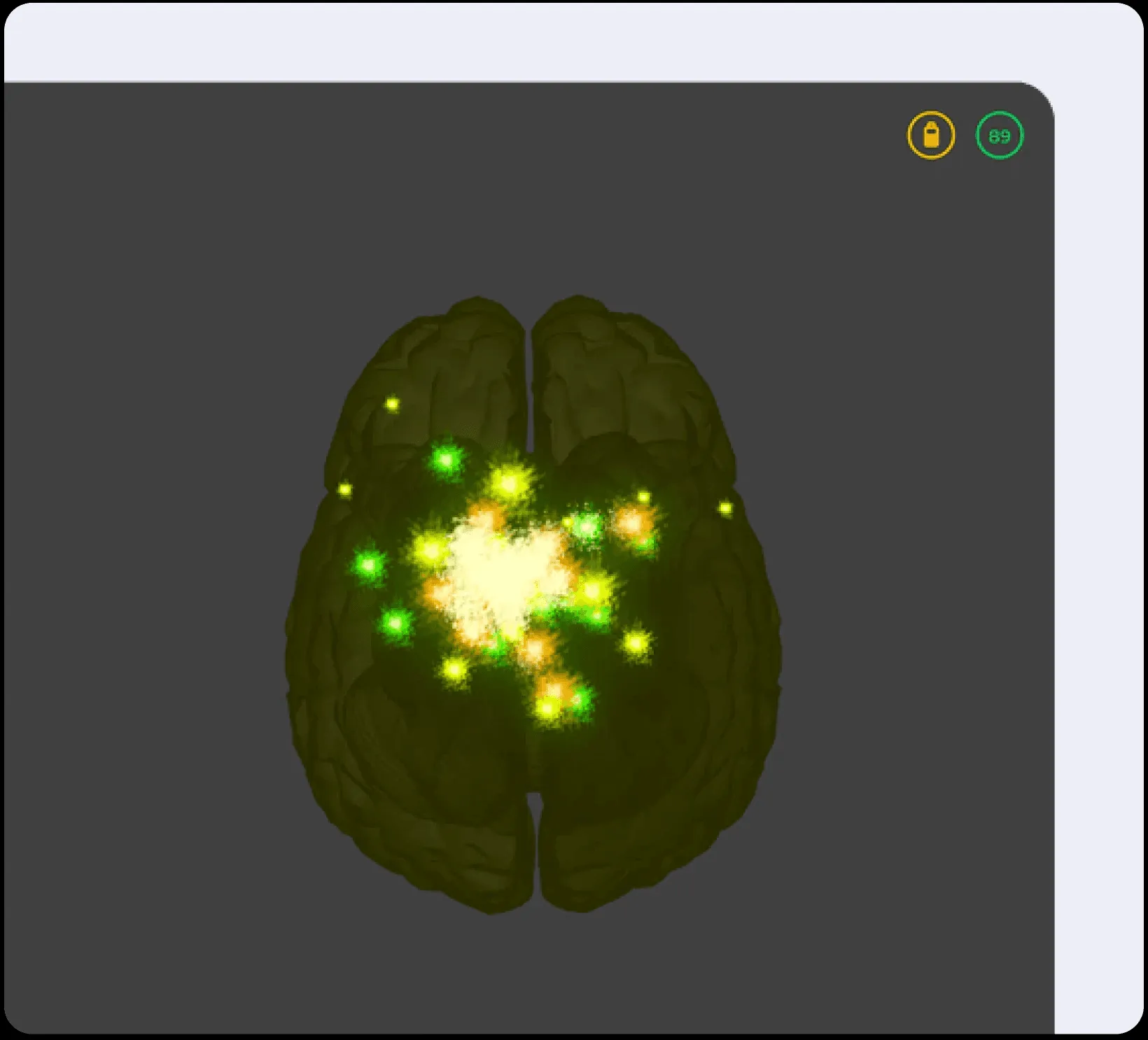
Brainwave controlled shopping interface future
Market Drivers: Consumer Demand for Seamless, Predictive Experiences
Consumers increasingly expect frictionless and hyper-personalized online experiences. The market demands interfaces that anticipate needs rather than merely responding to commands. Neuro-commerce addresses this by leveraging predictive analytics for neuro-data to tailor interactions.
The adoption of latest BCI technologies will be driven by the inherent desire for speed and efficiency in digital interactions. For enterprise merchants on Shopify Plus, this translates into a competitive edge, delivering unparalleled user satisfaction and reducing cognitive load during the purchasing process.
JavaScript's Unseen Hand: Crafting the Frontend Architecture for BCI Integration
Real-time Data Streams: Leveraging WebSockets and GraphQL for Neuro-Data
Integrating BCI with Shopify Plus demands a robust, real-time data pipeline for brainwave signals. WebSockets provide persistent, bidirectional communication channels, essential for ultra-low latency real-time brainwave processing. This ensures immediate feedback from the BCI device to the frontend.
![Shopify Plus BCI integration architecture blueprint - Invisible Interface: BCI & Shopify Plus [JS Blueprint 2026]](/img/blog/bci-shopify-plus-javascript-2026-2.webp) Shopify Plus BCI integration architecture blueprint
Shopify Plus BCI integration architecture blueprint
GraphQL subscriptions complement WebSockets by offering a precise and efficient way to query and receive updates on neuro-data streams. This minimizes over-fetching and under-fetching, critical for optimizing frontend performance optimization (for BCI). Our JavaScript frontend will orchestrate these connections, pushing raw or pre-processed neural data to the appropriate components.
Progressive Web Apps (PWAs) and Headless Shopify: The Foundation for Adaptive Interfaces
A headless Shopify setup is non-negotiable for BCI integration. Decoupling the frontend from Shopify's backend via the Storefront API provides the flexibility required to build highly custom, BCI-aware UX architecture. Shopify Hydrogen architecture provides an excellent starting point for this.
Progressive Web Apps (PWAs) are crucial for delivering native-app-like performance and reliability directly in the browser. Their ability to work offline, offer fast loading times, and provide push notifications makes them an ideal foundation for persistent, adaptive BCI experiences. This ensures a consistent and high-performance Adaptive UI/UX regardless of network conditions.
WebAssembly (Wasm) for High-Performance Brainwave Processing at the Edge
Processing raw brainwave data is computationally intensive and demands minimal latency. WebAssembly (Wasm) for BCI empowers the browser to perform these complex computations at the edge, directly on the client device. This significantly reduces roundtrip times to a server.
Wasm allows us to execute compiled code (e.g., from C++, Rust) at near-native speeds within the browser's JavaScript environment. This capability is vital for real-time brainwave processing, pattern recognition, and feature extraction from neural signals. It ensures that the interpretation of user intent is as immediate as possible, driving responsive Cognitive UX design.
Blueprinting the Invisible: Core Architectural Components for BCI-Enabled Shopify Plus
By 2026, JavaScript will architecturally enable BCI-driven Shopify Plus experiences through a sophisticated frontend stack. This involves leveraging headless Shopify with Shopify Hydrogen architecture as the foundation, allowing complete control over the presentation layer. Real-time neuro-data streams, facilitated by WebSockets and GraphQL subscriptions, will feed raw brainwave data from latest BCI technologies into the browser. WebAssembly for BCI will perform high-performance, low-latency signal processing at the edge, interpreting neural patterns into actionable intent. An Adaptive UI/UX framework, built on React or Vue, will dynamically reconfigure the interface based on these interpretations, driving predictive personalization and effortless navigation. This UX architecture will integrate a dedicated sensor layer, a cognitive computing engine for pattern recognition, and robust neuro-security protocols, ensuring ethical AI in e-commerce while transforming Shopify Plus into a platform for neuro-commerce. This setup allows for real-time brainwave processing to guide user journeys before explicit clicks, offering unparalleled frontend performance optimization (for BCI).
Sensor Integration Layer: Bridging Neuro-Hardware with Web APIs
The initial architectural component is the sensor integration layer, responsible for establishing connections with latest BCI technologies hardware. Modern web APIs like Web Bluetooth and Web USB will be primary conduits for this. These APIs enable JavaScript to directly communicate with BCI devices.
For more complex BCI devices or proprietary protocols, WebAssembly for BCI can host low-level drivers or SDKs, exposing a standardized JavaScript interface. This layer standardizes the raw neural data format before it enters the processing pipeline, ensuring interoperability across different BCI manufacturers.
Cognitive Computing Engine: Interpreting Brainwave Patterns for E-commerce Actions
Once raw neuro-data is acquired, the cognitive computing engine interprets these complex brainwave patterns. This engine, often implemented using WebAssembly for BCI modules or TensorFlow.js in JavaScript, runs machine learning models directly in the browser. Its purpose is to translate neural states into actionable e-commerce intent.
For example, models might detect increased cognitive load when a user struggles with product options, or heightened interest in a particular item. This real-time brainwave processing fuels predictive analytics for neuro-data, allowing the system to infer preferences, decision points, and even emotional responses. The output is a stream of interpreted "neuro-events" ready for the UI.
Adaptive UI/UX Frameworks: Dynamic Content Delivery Based on Neural Feedback
The interpreted neuro-events feed directly into Adaptive UI/UX frameworks built with modern JavaScript libraries like React or Vue. These frameworks dynamically adjust the storefront experience in real-time. This is the heart of Cognitive UX design, where the interface actively adapts to the user's mental state.
Examples include automatically filtering product listings based on detected interest, highlighting relevant information when cognitive load is high, or subtly altering calls-to-action. The goal is to provide a seamless, intuitive experience that feels almost telepathic, minimizing conscious effort for the user on Shopify Plus.
Transformative Use Cases: BCI-Driven Experiences in Action on Shopify Plus
Predictive Personalization: Anticipating Needs Before the Click
BCI elevates personalization beyond historical data to real-time neural insights. A user's brainwave patterns can indicate emerging interest in a product category or specific features, even before they consciously search or click. This enables truly predictive personalization.
For a Shopify Plus merchant, this means the storefront can dynamically reorder product grids, suggest complementary items, or adjust promotional messaging. This level of Neuro-commerce allows for micro-adjustments to the shopping journey that significantly increase relevance and conversion rates.
Effortless Navigation & Product Discovery: The "Thought-to-Cart" Journey
Imagine navigating a Shopify Plus store or adding items to a cart simply by focusing intent. BCI enables an effortless navigation paradigm where explicit mouse movements or keyboard inputs become optional. Users can browse categories or zoom into product details with focused attention.
This "thought-to-cart" journey drastically reduces friction, making product discovery incredibly intuitive. The UX architecture is designed to respond to neural signals indicating selection or confirmation, streamlining the entire purchase funnel. This is a profound leap in user interaction.
Accessibility & Inclusive Commerce: Empowering Users with Motor Impairments
Perhaps the most impactful application of BCI in e-commerce innovation is its potential for accessibility and inclusive commerce. Individuals with severe motor impairments, who struggle with traditional input methods, can regain autonomy in online shopping. BCI provides a direct pathway for interaction.
This empowers a significant user base, allowing them to browse, select, and purchase products on Shopify Plus independently. Implementing ethical AI in e-commerce principles here ensures equitable access and a dignified shopping experience for all users.
Navigating the Ethical & Technical Labyrinth: Challenges and Safeguards
Data Privacy and Neuro-Security: Building Trust in a New Era
The collection and interpretation of brainwave data introduce unprecedented data privacy and neuro-security concerns. Trust is paramount, requiring robust encryption, anonymization techniques, and transparent consent mechanisms. Merchants must be explicit about what data is collected and how it's used.
Architecturally, this means implementing strong authentication and authorization at every layer, from device connection to data processing. Adhering to evolving regulations and establishing clear ethical guidelines for ethical AI in e-commerce will be critical for widespread BCI adoption on Shopify Plus.
Performance Bottlenecks: Optimizing JavaScript for Ultra-Low Latency
The success of BCI hinges on ultra-low latency. Any noticeable delay between neural intent and UI response breaks the illusion of seamless interaction. JavaScript optimization for real-time brainwave processing becomes a primary technical challenge.
Strategies include extensive use of WebAssembly for BCI, Web Workers to offload heavy computation, careful DOM manipulation, and efficient data structures. Continuous frontend performance optimization (for BCI) and profiling are essential to maintain the responsiveness demanded by Cognitive UX design.
Standardization & Interoperability: The Path to Widespread Adoption
The current BCI landscape is fragmented, with diverse hardware, proprietary protocols, and varying data formats. A lack of standardization and interoperability presents a significant barrier to widespread integration with platforms like Shopify Plus.
Future efforts will need to focus on open standards for neuro-data exchange and device communication. The emergence of decentralized BCI networks could facilitate data sharing and model training, accelerating the development of robust, universally compatible brain-computer interfaces 2026 advancements.
The Road Ahead: Shopify Plus's Role in Shaping the BCI E-commerce Ecosystem
Developer Tooling & SDKs: Empowering the Next Generation of Neuro-Commerce Builders
To foster innovation, Shopify Plus will need to provide robust developer tooling and SDKs that abstract away the complexities of BCI integration. This includes JavaScript-friendly APIs for connecting to common BCI devices, libraries for neuro-data processing, and components for Adaptive UI/UX.
Simplified access to these capabilities will empower agencies and enterprise development teams to rapidly prototype and deploy Neuro-commerce experiences. This strategic investment in the developer ecosystem is crucial for scaling BCI adoption and solidifying Shopify Plus's position at the forefront of e-commerce innovation.
The Future of Conversion Rate Optimization: Beyond A/B Testing to A/BCI
BCI introduces a new dimension to Conversion Rate Optimization (CRO), moving beyond traditional A/B testing to A/BCI testing. Instead of just comparing click-through rates, we can analyze neuro-feedback to understand the cognitive and emotional impact of different storefront elements.
This allows Shopify Plus merchants to optimize for genuine user engagement and reduce mental friction. By understanding subconscious preferences and decision-making processes, Neuro-commerce will unlock unprecedented levels of optimization, leading to truly intent-driven conversions and a significant competitive advantage by 2026.
Frequently Asked Questions
How will Brain-Computer Interfaces (BCI) fundamentally change Shopify Plus experiences by 2026?
By 2026, brain-computer interfaces (BCI) are poised to revolutionize Shopify Plus by enabling a new era of 'neuro-commerce.' This shift moves beyond traditional clicks and scrolls, allowing platforms to interpret implicit user intent directly from neural signals. Advanced BCI technologies will facilitate real-time understanding of a user's interest, attention, and decision-making processes. For Shopify Plus merchants, this translates into hyper-personalized shopping journeys, where the UX architecture dynamically adapts to subconscious preferences. Expect features like predictive personalization, where products are suggested before a conscious search, and effortless navigation, allowing users to browse or add items to a cart with focused thought. This will significantly reduce cognitive load, boost conversion rates, and create an unparalleled, intuitive shopping experience, making online retail more accessible and engaging for all users.
What is JavaScript's critical role in building BCI-driven Shopify Plus interfaces?
JavaScript acts as the primary orchestrator for BCI integration on Shopify Plus. It leverages WebSockets and GraphQL for real-time neuro-data streams, ensuring ultra-low latency communication. Furthermore, WebAssembly (Wasm) allows JavaScript environments to execute computationally intensive brainwave processing directly in the browser at near-native speeds. This enables adaptive UI/UX frameworks, built with JS libraries like React or Vue, to dynamically respond to interpreted neural signals, creating a truly responsive and personalized storefront experience.
What are the main architectural components required for BCI integration with Shopify Plus?
Key architectural components include a headless Shopify setup, often utilizing Shopify Hydrogen, for frontend flexibility. A sensor integration layer connects to BCI hardware via Web APIs (e.g., Web Bluetooth). A cognitive computing engine, powered by WebAssembly or TensorFlow.js, interprets raw brainwave data into actionable e-commerce intent. Finally, adaptive UI/UX frameworks dynamically adjust the user interface based on these neural insights, driving predictive personalization and effortless navigation.
What ethical considerations are paramount for BCI in e-commerce?
The integration of BCI in e-commerce raises significant ethical concerns, primarily around data privacy and neuro-security. Transparent consent mechanisms are crucial, clearly informing users about what neural data is collected and how it's utilized. Robust encryption, anonymization techniques, and secure data storage are essential to protect sensitive brainwave information. Adhering to evolving data protection regulations and establishing clear ethical AI guidelines will be vital to build user trust and ensure responsible, inclusive commerce experiences on platforms like Shopify Plus.

Ecommerce manager, Shopify & Shopify Plus consultant with 10+ years of experience helping enterprise brands scale their ecommerce operations. Certified Shopify Partner with 130+ successful store migrations.

![BCI 2026: Shopify Plus Bridges Neuro-Empathy Gap [UX Insights]](/img/blog/bci-shopify-plus-neuro-empathy-1.webp)