
- Beyond Direct Features: How Indirect App Interactions Shape User Behavior
- The Cumulative Effect: When 1+1 Equals More Than 2 in Your App Stack
- Strategic Blueprinting: Mapping Your Checkout Journey to App Integration Opportunities
- Pre-Checkout Apps: Nurturing Intent Before the Final Step
- In-Checkout Apps: Streamlining & Enhancing the Transaction Experience
- Post-Checkout Apps: Reinforcing Trust & Driving Repeat Business
- The Conversion Catalyst: Essential App Categories for High-Performing Checkouts
- Payment & Shipping Accelerators: Reducing Friction, Increasing Speed
- Trust & Security Enhancers: Building Confidence at the Critical Moment
- Personalization & Upsell/Cross-sell Engines: Maximizing AOV & Relevance
- Analytics & Optimization Tools: Illuminating the "Why" Behind Conversions
- Technical Architecture & Performance: Safeguarding Your Checkout's Speed and Stability
- App Dependencies & Conflicts: Preventing Performance Bottlenecks
- Data Privacy & Compliance: Building Trust Through Secure Integrations
- Shopify Plus Extensibility: Leveraging APIs for Custom Checkout Experiences
- Measuring the Unseen Impact: Advanced Analytics & A/B Testing for App Ecosystems
- Granular Funnel Analysis: Pinpointing App-Related Drop-off Points
- Multivariate Testing: Isolating the Impact of Individual App Changes
- Lifetime Value (LTV) & Repeat Purchase Metrics: Beyond Immediate Conversions
- Future-Proofing Your App Stack: Adaptability, Scalability, and Emerging Trends
- Regular App Audits: Pruning Underperforming or Redundant Integrations
- Staying Ahead: Anticipating New Shopify Features & App Innovations
- The Headless Commerce Factor: Decoupling for Ultimate Checkout Control
- Related Reading
A Shopify app ecosystem comprises the interconnected network of third-party applications integrated into a Shopify store, collectively influencing user experience, operational efficiency, and crucially, conversion rate optimization (CRO). It extends beyond individual app functionalities to encompass their synergistic and conflicting interactions throughout the customer journey, often impacting performance metrics like page load speed and buyer confidence.
The journey from product discovery to purchase on Shopify is rarely a linear path. Instead, it's a complex interaction shaped by numerous touchpoints, many of which are subtly influenced by your chosen app ecosystem. This "invisible hand" guides, nudges, and sometimes obstructs the user's path to conversion, often without direct awareness from either the merchant or the customer.
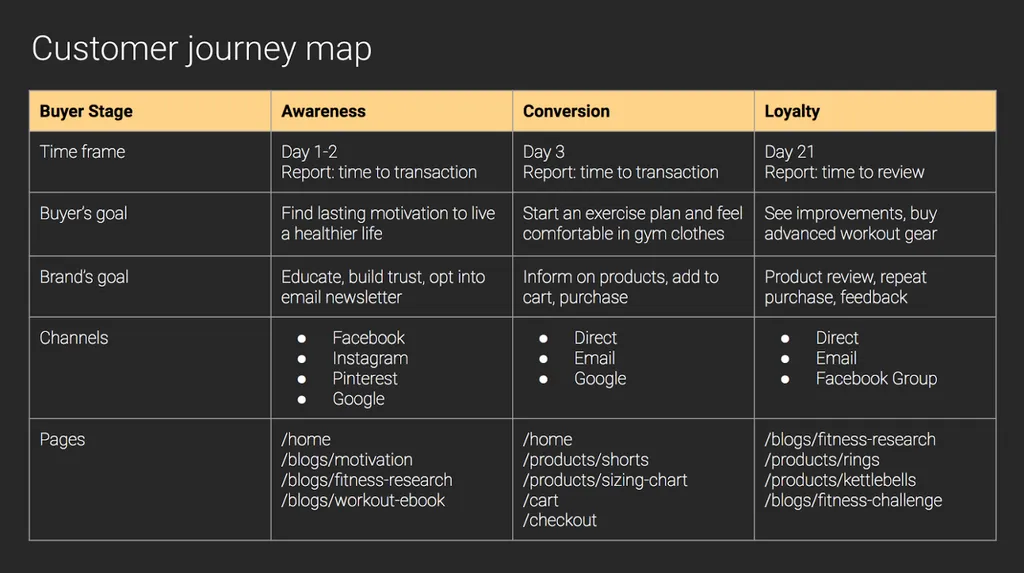
Shopify app integration checkout journey map
Beyond Direct Features: How Indirect App Interactions Shape User Behavior
Merchants frequently evaluate apps based solely on their advertised features. However, the true impact on Shopify CRO extends far beyond these direct functionalities. Indirect interactions, such as an app's impact on page load speed or its visual consistency with your brand, profoundly shape user perception.
A review app might boost trust directly, but if its script introduces a perceptible delay, it simultaneously erodes user patience and trust. Similarly, a currency converter provides convenience, yet a poorly integrated solution can introduce visual clutter, distracting customers at critical decision points. These subtle friction points accumulate, increasing the likelihood of abandonment.
The Cumulative Effect: When 1+1 Equals More Than 2 in Your App Stack
The collective behavior of multiple apps creates a cumulative effect, both positive and negative, on conversion rate. A well-designed Shopify app stack performance can create a seamless, highly optimized experience that covertly guides users to complete their purchase.
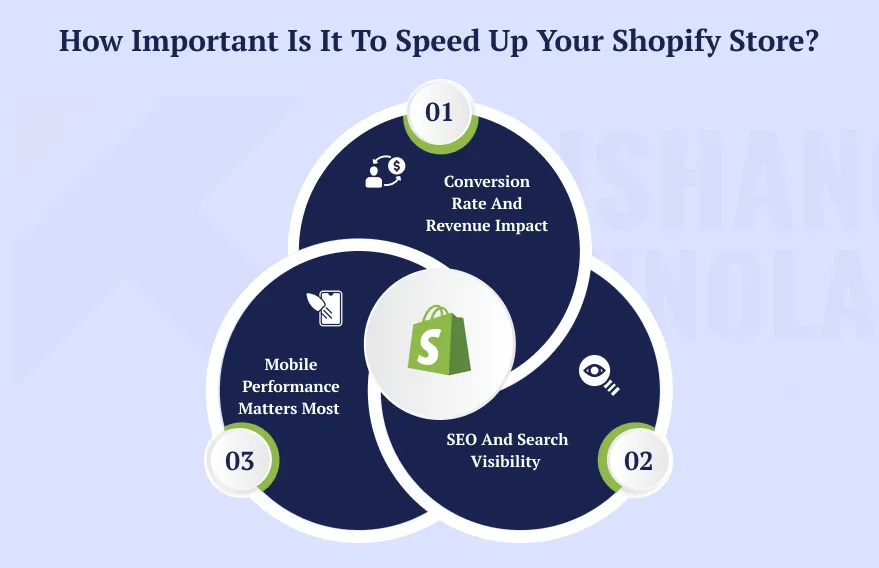 Optimized Shopify checkout speed stability
Conversely, a disjointed collection of apps can introduce technical debt, conflicting scripts, and a fractured user experience. This often manifests as performance bottlenecks, UI inconsistencies, or even outright functionality conflicts, undermining your overall CRO strategy. Understanding these interactions is paramount for effective shopify checkout optimization.
Strategic Blueprinting: Mapping Your Checkout Journey to App Integration Opportunities
Optimizing your Shopify checkout requires a holistic view of the customer journey, from initial interest to post-purchase engagement. This means customer journey mapping to identify key touchpoints where apps can either enhance or detract from the experience. A deliberate approach to app impact is essential.
Instead of randomly adding apps, strategically blueprint your checkout flow. This involves identifying specific user needs and potential friction points at each stage, then selecting apps that address these with minimal overhead. This methodical approach ensures every integration serves a clear purpose in improving the conversion rate.
Pre-Checkout Apps: Nurturing Intent Before the Final Step
The groundwork for a successful checkout is laid long before the customer clicks "Add to Cart." Pre-checkout apps are crucial for building confidence, clarifying information, and minimizing future friction. They manage expectations and provide necessary social proof.
Here are key areas where pre-checkout apps significantly influence conversion:
- Social Proof & Reviews: Displaying product reviews, user-generated content, or recent purchase notifications builds immediate trust and reduces perceived risk. Apps like Loox or Yotpo are critical here.
- Product Personalization & Configuration: Tools that allow customers to customize products or visualize options (e.g., variant selectors, custom product builders) reduce pre-purchase uncertainty and drive commitment.
- Shipping & Delivery Estimators: Transparent shipping information, including estimated delivery dates or costs (e.g., shipping rate calculators), eliminates surprises at checkout, a common abandonment trigger.
- Wishlists & Save for Later: These features capture intent from indecisive buyers, enabling retargeting and reducing immediate pressure. They serve as valuable data points for future engagement.
In-Checkout Apps: Streamlining & Enhancing the Transaction Experience
The checkout itself is the most critical juncture for shopify checkout optimization. Apps integrated here must prioritize speed, clarity, and trust. Any app that introduces friction, even minor, will directly impact your conversion rate.
- Payment Accelerators: One-click payment options (Shop Pay, Google Pay, Apple Pay) drastically reduce form-filling fatigue. These integrations are non-negotiable for modern commerce.
- Address Validation: Apps that auto-complete or validate shipping addresses prevent delivery errors and streamline the input process, improving user experience and data accuracy.
- Fraud Prevention: While not directly visible to the customer, robust fraud prevention apps impact on CRO by building merchant confidence in accepting orders, reducing false positives, and safeguarding revenue.
- Dynamic Shipping Options: Apps that offer real-time shipping quotes, local delivery, or in-store pickup options provide flexibility and transparency, catering to diverse customer needs.
Post-Checkout Apps: Reinforcing Trust & Driving Repeat Business
Conversion doesn't end after the transaction. Post-checkout apps play a vital role in customer retention, loyalty, and long-term Lifetime Value (LTV). They transform a single purchase into a lasting relationship.
- Order Tracking & Notifications: Proactive communication about order status (shipping updates, delivery confirmations) builds trust and reduces customer service inquiries.
- Feedback & Review Requests: Automated systems to solicit product reviews or service feedback capitalize on post-purchase satisfaction, fueling future social proof.
- Loyalty Programs: Apps that reward repeat purchases encourage customers to return, fostering a sense of community and value. This is a cornerstone of retention.
- Customer Support & Engagement: Tools like live chat or helpdesks provide immediate post-purchase support, resolving issues quickly and positively reinforcing the brand experience.
The Conversion Catalyst: Essential App Categories for High-Performing Checkouts
A strategic Shopify app stack performance is built upon foundational categories that directly address common checkout friction points. These aren't just features; they are conversion catalysts, meticulously selected to enhance the buying journey.
Payment & Shipping Accelerators: Reducing Friction, Increasing Speed
Friction in payment and shipping is a leading cause of checkout abandonment. Accelerators directly address this by streamlining these critical steps, making the transaction feel effortless. This directly contributes to shopify checkout optimization.
- Express Checkout Options: Integrating Shop Pay, PayPal Express, Google Pay, and Apple Pay significantly reduces the number of fields customers need to complete.
- Dynamic Shipping Rate Calculators: Providing accurate, real-time shipping rate optimization apps at the cart or early checkout stage prevents sticker shock.
- Local Delivery & Pickup Solutions: Offering convenient fulfillment options for nearby customers broadens appeal and reduces shipping costs, improving perceived value.
Trust & Security Enhancers: Building Confidence at the Critical Moment
Customers will not convert if they don't feel secure. Trust signals, both explicit and implicit, are paramount. Apps in this category reinforce the legitimacy and safety of your store, especially during the payment phase.
- Verified Review Platforms: Displaying authentic product and store reviews from reputable apps like Judge.me or Stamped.io builds social proof and credibility.
- Security Badges & Seals: Visible SSL certificates, payment gateway logos, and trust badges (e.g., McAfee Secure) reassure customers that their data is protected.
- Advanced Fraud Detection: Solutions that silently analyze transaction patterns help prevent fraudulent orders without adding friction for legitimate buyers, impacting conversion rate positively by reducing false declines.
Personalization & Upsell/Cross-sell Engines: Maximizing AOV & Relevance
Personalization in Shopify checkout isn't just about showing the right products; it's about making the entire experience feel tailored. These apps increase Average Order Value (AOV) while maintaining a seamless flow.
- Post-Purchase Upsells/Downsells: Presenting relevant offers immediately after the initial purchase, often with a single click, can significantly boost AOV without interrupting the main checkout flow.
- Cart Page Cross-sells: Suggesting complementary products based on items in the cart (e.g., "Customers who bought this also bought...") enhances the shopping experience.
- Dynamic Product Recommendations: AI-powered engines that display personalized recommendations based on browsing history or similar customer behavior deepen engagement.
Analytics & Optimization Tools: Illuminating the "Why" Behind Conversions
Without data, your CRO strategy is blind. Analytics apps provide the insights needed to diagnose issues, understand user behavior, and measure the app impact on your conversion rate. They are essential for continuous shopify checkout optimization.
- Enhanced E-commerce Tracking: Integrating Google Analytics 4 with advanced e-commerce tracking provides granular data on every step of the funnel.
- Heatmaps & Session Recordings: Tools like Hotjar or Microsoft Clarity visualize user interaction, revealing where customers click, scroll, or get stuck.
- A/B Testing Platforms: Essential for scientifically validating changes and understanding which app configurations or features yield the best results.
- Custom Reporting & Dashboards: Apps that consolidate data from various sources into actionable dashboards provide a clear overview of performance.
Technical Architecture & Performance: Safeguarding Your Checkout's Speed and Stability
The "invisible hand" of your app ecosystem can also manifest as technical overhead. A high-performing checkout is not just about features; it's about the underlying architecture. Neglecting this aspect leads to slow loading times, errors, and ultimately, lost conversions.
For enterprise merchants and those scaling rapidly, understanding the technical implications of each app is paramount. This requires a deeper dive into how apps interact with Shopify's core platform and each other.
App Dependencies & Conflicts: Preventing Performance Bottlenecks
Every app adds code to your store, increasing the potential for third-party app integration challenges. These can range from minor styling inconsistencies to severe performance degradation or even functionality conflicts. Identifying and mitigating these issues is crucial for maintaining a robust checkout experience.
- Script Bloat: Too many apps, or poorly coded ones, can inject excessive JavaScript and CSS, leading to slow page load times. Audit your app stack regularly for redundant or heavy scripts.
- Conflicting Libraries: Different apps might rely on different versions of JavaScript libraries (e.g., jQuery), causing unexpected errors or broken features.
- API Rate Limits: Apps making frequent, unoptimized API calls can hit Shopify's rate limits, leading to delays or temporary outages, especially during peak traffic.
- Theme Integration Issues: Many apps inject code directly into your theme. Updates to either the app or the theme can break compatibility, requiring manual fixes.
Data Privacy & Compliance: Building Trust Through Secure Integrations
In an era of increasing data scrutiny, ensuring app integrations comply with privacy regulations (GDPR, CCPA) is not just a legal necessity but a trust-building exercise. A breach or perceived misuse of data can irrevocably damage your brand and conversion rate.
- Consent Management: Utilize apps that facilitate cookie consent banners and manage user preferences for data collection.
- Data Minimization: Review apps to ensure they only collect the data strictly necessary for their function.
- Secure Data Handling: Vet app providers for their security practices and compliance certifications. Understand where customer data is stored and processed.
- Privacy Policy Transparency: Clearly outline in your privacy policy how third-party apps handle customer data.
Shopify Plus Extensibility: Leveraging APIs for Custom Checkout Experiences
For high-volume merchants and enterprises, Shopify Plus checkout extensibility offers unparalleled control over the checkout process. This capability allows for deeper customization and integration than standard Shopify plans, significantly enhancing shopify checkout optimization.
- Checkout.liquid Access: Shopify Plus provides access to the
checkout.liquidfile, allowing for extensive visual and functional customization of the three-page checkout. This is invaluable for branding and unique UX flows. - Script Editor: This feature enables merchants to write custom Ruby scripts to apply complex shipping rules, payment methods, and discounts directly within the checkout.
- Storefront API & Admin API: Leveraging these powerful APIs allows for the creation of completely custom, headless checkout experiences, offering maximum flexibility and performance. For complex needs, consider Shopify Plus Consulting to design and implement these advanced solutions.
- Wholesale Channel: For B2B operations, Shopify Plus's dedicated wholesale channel provides a streamlined buying experience tailored for bulk orders.
Measuring the Unseen Impact: Advanced Analytics & A/B Testing for App Ecosystems
Understanding the true app impact on your conversion rate requires more than just glancing at overall sales figures. It demands sophisticated analytics and rigorous experimentation. This is where a robust CRO strategy truly shines, moving beyond guesswork to data-driven insights.
The "invisible hand" often operates beneath the surface of top-line metrics. Advanced techniques are necessary to reveal its subtle influences and accurately attribute changes in user behavior to specific app interactions.
Granular Funnel Analysis: Pinpointing App-Related Drop-off Points
Standard e-commerce analytics show where customers drop off, but not always why. Checkout funnel analytics must be granular enough to correlate specific app interactions with user behavior. This helps identify where an app might be inadvertently creating friction.
- Event Tracking: Implement custom events for key app interactions (e.g., "Review widget loaded," "Upsell offer viewed," "Address validated"). This allows you to see how users interact with specific app features.
- Segmented Analysis: Analyze conversion rates for users who interacted with a particular app versus those who didn't. Look for differences in behavior patterns.
- Session Replays: Use tools that record user sessions to visually observe how customers interact with apps during the checkout process, identifying points of confusion or hesitation.
- Form Field Analysis: If an app modifies form fields, track individual field completion rates to identify potential bottlenecks.
Multivariate Testing: Isolating the Impact of Individual App Changes
A/B testing Shopify checkout is powerful, but often insufficient for complex app ecosystems. Multivariate testing allows you to test multiple variables (e.g., different app configurations, placement, or even alternative apps) simultaneously, revealing the optimal combination.
- Experiment Design: Carefully design experiments to isolate the impact of specific app changes. This might involve testing different versions of an upsell app or varying the display logic of a trust badge.
- Statistical Significance: Ensure your tests run long enough and gather sufficient data to achieve statistical significance, preventing misinterpretation of results.
- Interaction Effects: Pay attention to how different app changes interact. Sometimes, two seemingly beneficial apps can have a negative combined effect.
Lifetime Value (LTV) & Repeat Purchase Metrics: Beyond Immediate Conversions
While immediate conversion rate is crucial, the long-term app impact on customer value is equally important. Some apps might have a minimal immediate impact on conversion but significantly boost LTV and repeat purchases.
- Cohort Analysis: Analyze customer cohorts based on their interaction with specific apps (e.g., users who engaged with a loyalty app vs. those who didn't) to track their LTV over time.
- Retention Rate: Measure how different app configurations influence customer retention. Does a post-purchase survey app lead to higher repeat purchase rates?
- Customer Feedback Loops: Actively solicit feedback on app-driven experiences to understand qualitative impacts on satisfaction and loyalty.
Future-Proofing Your App Stack: Adaptability, Scalability, and Emerging Trends
A static app ecosystem is a decaying one. The e-commerce landscape, especially on Shopify, evolves rapidly. Future-proofing your app stack means embracing adaptability, planning for scalability, and staying ahead of emerging trends to maintain optimal shopify checkout optimization and conversion rate.
This proactive approach ensures your "invisible hand" continues to guide customers smoothly, rather than becoming a source of technical debt or outdated experiences. It's a continuous process of refinement and strategic foresight.
Regular App Audits: Pruning Underperforming or Redundant Integrations
An accumulated app stack can quickly become a liability. Regular, thorough audits are essential to ensure every app still serves a clear purpose and contributes positively to your CRO strategy.
- Performance Review: Evaluate each app's impact on page load speed, core web vitals, and overall checkout performance. Remove apps causing significant slowdowns.
- Feature Redundancy: Identify apps with overlapping functionalities. Consolidate where possible to reduce complexity and potential conflicts.
- ROI Assessment: Quantify the return on investment for each app, considering its direct impact on conversions, AOV, LTV, and operational efficiency.
- Security & Compliance Check: Verify that all apps remain compliant with current data privacy regulations and security standards.
- Vendor Viability: Assess the long-term viability and support of app developers. A defunct app can become a significant technical burden.
Staying Ahead: Anticipating New Shopify Features & App Innovations
Shopify consistently rolls out new features and API enhancements, which can render some third-party apps redundant or offer superior native alternatives. Staying informed allows you to adapt your app stack proactively.
- Shopify Roadmaps: Monitor Shopify's official announcements and developer roadmaps for upcoming features that might impact your current app dependencies.
- App Store Trends: Keep an eye on new and highly-rated apps that address emerging merchant needs or offer innovative solutions for shopify checkout optimization.
- Industry Benchmarks: Track what leading e-commerce brands are doing with their app stacks and how they're leveraging new technologies.
The Headless Commerce Factor: Decoupling for Ultimate Checkout Control
For enterprise-level operations demanding ultimate flexibility, performance, and highly tailored experiences, exploring headless commerce is a strategic imperative. Decoupling the frontend from Shopify's backend offers unparalleled control over the checkout process.
- Custom Frontend Frameworks: Utilize frameworks like React, Vue, or Next.js to build a completely custom, highly optimized frontend experience, including the checkout.
- API-Driven Integrations: Integrate best-of-breed services and apps via APIs, rather than relying on embedded Shopify app code. This reduces script bloat and enhances performance.
- Performance Gains: Headless setups often result in significantly faster load times and smoother user experiences, directly boosting conversion rate.
- Agility & Scalability: Decoupled architectures provide greater agility for rapid experimentation and easier scalability to handle high traffic volumes. Consider this path during a Shopify Migration Service planning.
Frequently Asked Questions
How do Shopify apps influence conversion rates at checkout?
Shopify apps significantly influence conversion rates by either enhancing or hindering the customer journey. Positively, they can streamline processes (e.g., express payments), build trust (e.g., review apps, security badges), and personalize experiences (e.g., product recommendations). Negatively, poorly integrated apps can introduce friction through slow page load times, conflicting scripts, visual clutter, or confusing user interfaces, leading to increased abandonment rates. The cumulative effect of the entire app ecosystem determines the overall impact on your Shopify checkout CRO.
What are the most crucial app categories for optimizing Shopify checkout CRO?
For optimizing Shopify checkout CRO, focus on app categories that directly address common friction points and enhance the buying experience. These include Payment & Shipping Accelerators (e.g., Shop Pay, dynamic shipping calculators), Trust & Security Enhancers (e.g., verified review platforms, security badges), Personalization & Upsell/Cross-sell Engines (e.g., post-purchase upsells, dynamic recommendations), and Analytics & Optimization Tools (e.g., enhanced e-commerce tracking, A/B testing platforms). A balanced stack from these categories creates a seamless and trustworthy checkout.
How does Shopify Plus checkout extensibility enhance conversion rate optimization for enterprise merchants?
Shopify Plus checkout extensibility offers enterprise merchants unparalleled control and customization capabilities, significantly boosting conversion rate optimization (CRO) by removing limitations inherent in standard plans. Key features include access to the <code>checkout.liquid</code> file, allowing for deep visual and functional branding of the three-page checkout, ensuring a consistent and trustworthy user experience. The Script Editor enables custom Ruby scripts to implement complex shipping rules, payment methods, and discounts directly within the checkout flow, tailoring offers precisely to customer segments and reducing manual errors. Furthermore, leveraging the Storefront API and Admin API empowers the creation of completely custom, headless checkout experiences. This decoupling of the frontend from Shopify’s backend allows for bespoke user interfaces, integration of best-of-breed third-party services via APIs, and often results in significantly faster load times. These performance gains and tailored experiences directly translate to reduced friction, increased buyer confidence, and ultimately, higher conversion rates for high-volume and B2B operations. This advanced control is critical for merchants needing to optimize every micro-interaction to maximize revenue.

Ecommerce manager, Shopify & Shopify Plus consultant with 10+ years of experience helping enterprise brands scale their ecommerce operations. Certified Shopify Partner with 130+ successful store migrations.


