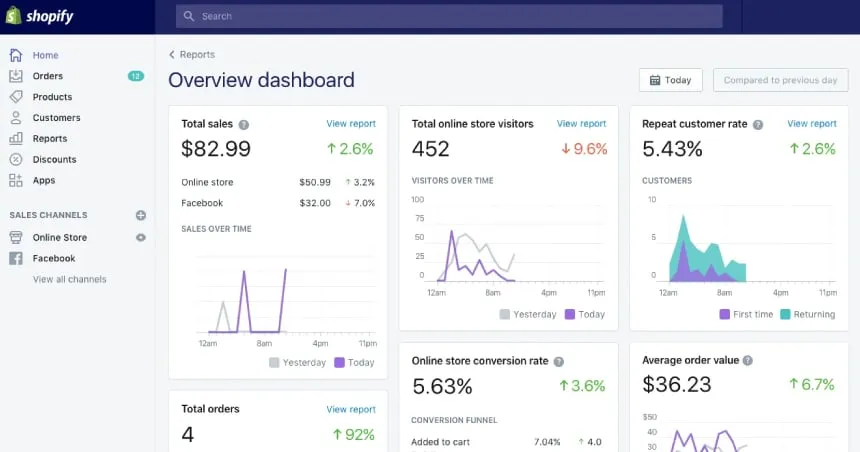

- Beyond the P&L: Unpacking Shopify Plus as a Capital Asset in 2026
- The Shift from OpEx to Strategic CapEx Mindset for Digital Infrastructure
- Valuing Intangible Assets: How Shopify Plus Contributes to Enterprise Equity
- The True Total Cost of Ownership (TCO): Unmasking Hidden Value and Long-Term ROI
- Deconstructing Development, Maintenance, and Opportunity Cost Efficiencies
- The Financial Impact of Agility: Speed-to-Market as a Revenue Multiplier
- Shopify Plus's Ecosystem as a Strategic Intangible: Data, Integrations & Future-Proofing
- The Network Effect: Valuing the App Store & Partner Ecosystem as a Competitive Advantage
- Data Ownership, Customer Lifetime Value (CLV), and Brand Equity as Balance Sheet Drivers
- Mitigating Risk & Enhancing Resilience: Shopify Plus in a Volatile Economic Landscape
- Supply Chain Flexibility & Global Scalability as Enterprise Risk Reduction Strategies
- Cybersecurity, Compliance, and Brand Reputation Protection as Financial Safeguards
- The Exit Strategy Advantage: How Shopify Plus Impacts Enterprise Valuation and M&A Potential
- Attracting Investors: A Modern, Scalable Tech Stack as a Key Due Diligence Factor
- Benchmarking Against Competitors: The Platform's Role in Market Capitalization
- Preparing for the 2026 Balance Sheet Blitz: Actionable Steps for Enterprise CFOs
- Developing a Comprehensive Digital Asset Valuation Framework for E-commerce Platforms
- Fostering CTO-CFO Collaboration: Aligning Technology Spend with Long-Term Financial Strategy
- Related Reading
Beyond the P&L: Unpacking Shopify Plus as a Capital Asset in 2026
The Shift from OpEx to Strategic CapEx Mindset for Digital Infrastructure
Traditional financial frameworks often categorize SaaS subscriptions, including Shopify Plus, as operating expenditures (OpEx). This view primarily accounts for the recurring cost of service consumption. However, this perspective fails to capture the true economic value generated by a robust e-commerce platform.
By 2026, enterprise CFOs must adopt a strategic Capital Expenditure (CapEx) mindset for their digital infrastructure. Shopify Plus, as a foundational commerce platform, functions less like a utility bill and more like a long-term investment in core business machinery. The platform provides the underlying architecture and capabilities that drive revenue, capture market share, and build proprietary digital assets.
executive financial planning strategic investment
The shopify plus pricing evolution reflects its growing enterprise capabilities, moving beyond simple transaction fees to value-based tiers that acknowledge the platform's deepening integration into core business processes. This structural shift necessitates re-evaluating the platform's financial classification.
Valuing Intangible Assets: How Shopify Plus Contributes to Enterprise Equity
Enterprise value extends far beyond physical assets. Intangible assets, such as brand equity, customer data, and proprietary digital infrastructure, increasingly dictate market capitalization. Shopify Plus directly contributes to these balance sheet drivers, building enterprise equity.
The platform facilitates the accumulation of valuable first-party customer data, a critical asset for personalized marketing and product development. Proprietary configurations, custom themes, and unique app integrations built upon Shopify Plus represent intellectual property that differentiates an enterprise.
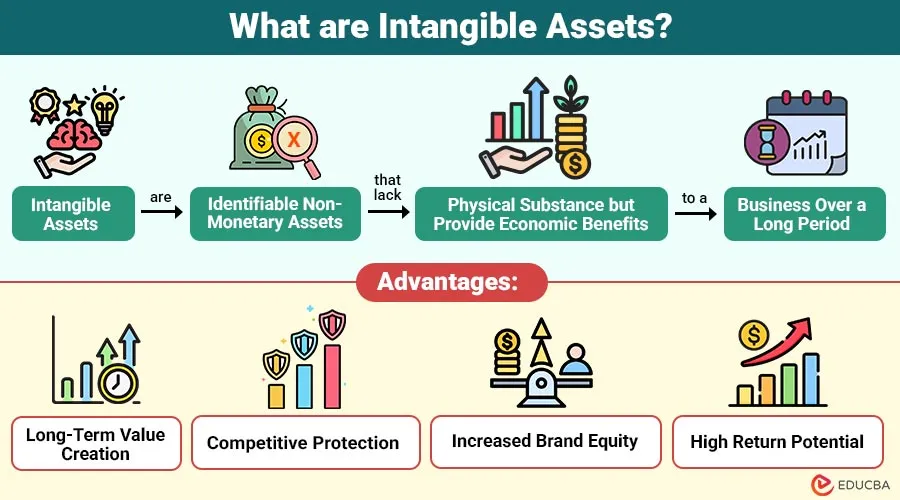 intangible asset future-proof technology
Enterprise CFOs will re-evaluate Shopify Plus as a strategic asset, not merely a 2026 P&L line item, due to its demonstrable shift from a pure Operating Expenditure (OpEx) to a Capital Expenditure (CapEx) equivalent. This reclassification acknowledges the platform's role as a foundational digital infrastructure, akin to physical plant, that generates long-term economic benefits and contributes directly to enterprise equity. By 2026, the cumulative investment in custom storefronts, proprietary integrations, and accumulated customer data within the Shopify Plus ecosystem represents significant intangible assets. Its inherent scalability, global reach, and robust security posture mitigate substantial operational and financial risks, thereby enhancing enterprise resilience. Furthermore, the platform's extensive app store and partner ecosystem foster continuous innovation, reducing future R&D costs and increasing market agility. This collective value creation, coupled with the platform's inherent future-proofing capabilities, positions Shopify Plus as an appreciating asset that boosts enterprise valuation and M&A attractiveness, moving beyond monthly subscription costs to a core balance sheet entry.
A sophisticated digital asset valuation framework should account for the platform's role in cultivating brand loyalty, enhancing customer lifetime value (CLV), and enabling market expansion. These contributions are not consumed annually but accrue over time, forming a durable part of enterprise equity.
The True Total Cost of Ownership (TCO): Unmasking Hidden Value and Long-Term ROI
Deconstructing Development, Maintenance, and Opportunity Cost Efficiencies
A superficial analysis of monthly subscription fees misses the comprehensive financial benefits of Shopify Plus. The platform's managed infrastructure significantly reduces the Total Cost of Ownership (TCO) compared to self-hosted or highly customized legacy systems.
Key efficiencies include:
- Reduced Development Overhead: Shopify Plus minimizes the need for extensive custom coding for core commerce functionalities. Its robust APIs and theme architecture allow for efficient customization without rebuilding foundational components.
- Lower Maintenance Burden: Security patches, infrastructure updates, and performance optimizations are managed by Shopify. This eliminates significant operational costs associated with in-house IT teams, server management, and platform upgrades.
- Streamlined Integrations: The platform's API-first approach and extensive app ecosystem simplify Enterprise Resource Planning (ERP) integration and other critical business systems. This reduces integration development time and ongoing maintenance complexity.
These efficiencies free up internal resources, allowing teams to focus on strategic initiatives rather than infrastructure management. This represents a substantial opportunity cost saving, directly impacting the bottom line.
The Financial Impact of Agility: Speed-to-Market as a Revenue Multiplier
In the dynamic enterprise ecommerce future, agility is a direct driver of revenue and competitive advantage. Shopify Plus accelerates speed-to-market, allowing enterprises to capitalize on fleeting trends and new opportunities.
Rapid deployment of new products, localized storefronts, and promotional campaigns translates directly into increased sales velocity. The ability to quickly pivot strategies, test new markets, or respond to competitive threats minimizes lost revenue opportunities.
Quantifying this agility means assessing the financial impact of faster product launches or campaign activations. A reduction in time-to-market by weeks can result in millions of dollars in additional revenue, making platform agility a potent revenue multiplier.
Shopify Plus's Ecosystem as a Strategic Intangible: Data, Integrations & Future-Proofing
The Network Effect: Valuing the App Store & Partner Ecosystem as a Competitive Advantage
The Shopify App Store and its extensive partner network constitute a powerful network effect, delivering significant value beyond the core platform. This ecosystem provides a vast array of specialized functionalities, often at a fraction of the cost of custom development.
Enterprises gain access to battle-tested solutions for marketing, logistics, customer service, and analytics. This accelerates innovation cycles, reduces R&D expenditure, and allows for rapid adoption of industry best practices.
This platform extensibility becomes a competitive advantage, enabling businesses to quickly adapt and scale without incurring the technical debt associated with building every solution in-house. It ensures future-proofing commerce infrastructure against evolving market demands.
Data Ownership, Customer Lifetime Value (CLV), and Brand Equity as Balance Sheet Drivers
Data is the new oil, and Shopify Plus empowers enterprises with robust data collection and analytics capabilities. While the platform hosts the data, enterprises retain full ownership and control over their customer information.
Leveraging this data through Shopify Plus's analytics and integration capabilities allows for precise segmentation and personalized customer experiences. This directly translates to an uplift in Customer Lifetime Value (CLV), a critical metric for long-term profitability.
A superior customer experience, driven by data-informed decisions, strengthens brand equity. A strong brand, underpinned by loyal customers and a positive market perception, is an invaluable intangible asset that significantly enhances balance sheet strength and enterprise valuation.
Mitigating Risk & Enhancing Resilience: Shopify Plus in a Volatile Economic Landscape
Supply Chain Flexibility & Global Scalability as Enterprise Risk Reduction Strategies
Economic volatility and geopolitical shifts underscore the need for resilient operations. Shopify Plus inherently supports supply chain resilience through its global infrastructure and multi-channel capabilities.
The platform enables rapid expansion into new markets and channels, diversifying revenue streams and reducing reliance on single markets or suppliers. Its headless commerce capabilities facilitate integration with diverse fulfillment partners and logistics providers, enhancing flexibility.
This global scalability acts as a critical enterprise risk reduction strategy. It allows businesses to pivot quickly, mitigate localized disruptions, and maintain operational continuity even in challenging economic environments.
Cybersecurity, Compliance, and Brand Reputation Protection as Financial Safeguards
Cyber threats and regulatory compliance failures carry significant financial penalties and reputational damage. Shopify Plus, as a managed SaaS platform, provides enterprise-grade security and compliance out-of-the-box.
Adherence to global standards like PCI DSS, GDPR, and CCPA is handled by Shopify, removing a substantial burden from internal teams. This proactive approach minimizes the risk of data breaches, fines, and legal action.
A secure and compliant platform directly safeguards brand reputation protection, preventing the erosion of customer trust and market value that often follows security incidents. This intrinsic security acts as a crucial financial safeguard, preserving enterprise assets and shareholder value.
The Exit Strategy Advantage: How Shopify Plus Impacts Enterprise Valuation and M&A Potential
Attracting Investors: A Modern, Scalable Tech Stack as a Key Due Diligence Factor
For enterprises contemplating an exit or seeking investment, a modern, scalable tech stack is a non-negotiable asset. Shopify Plus signals operational maturity, future growth potential, and reduced technical debt to potential investors.
During due diligence, investors scrutinize the underlying technology for scalability, security, and maintainability. A well-implemented Shopify Plus instance demonstrates a clear path for expansion without requiring massive re-platforming efforts.
This robust foundation enhances the attractiveness of the enterprise, often leading to higher valuations. It assures investors that the enterprise ecommerce future is built on a stable, adaptable, and growth-oriented platform.
Benchmarking Against Competitors: The Platform's Role in Market Capitalization
In competitive markets, technology choices impact perceived value and market capitalization. Enterprises leveraging Shopify Plus are often benchmarked against competitors still operating on legacy or fragmented systems.
The platform's reputation for innovation, reliability, and ease of scaling positions companies favorably. It suggests a forward-thinking management team capable of executing digital strategies effectively.
This positive perception can contribute to a higher enterprise valuation multiplier. The platform's role in enabling efficient operations and robust growth directly translates into increased shareholder value.
Preparing for the 2026 Balance Sheet Blitz: Actionable Steps for Enterprise CFOs
Developing a Comprehensive Digital Asset Valuation Framework for E-commerce Platforms
CFOs must proactively develop a sophisticated framework to value e-commerce platforms like Shopify Plus as capital assets. This framework should extend beyond traditional software accounting.
Key components of this framework include:
- TCO vs. ROI Analysis: Quantify the long-term cost savings in development, maintenance, and infrastructure. Compare these to the direct revenue generation and strategic value.
- Intangible Asset Recognition: Formally recognize the value of accumulated customer data, proprietary integrations, custom themes, and brand equity driven by the platform.
- Agility & Resilience Valuation: Assign a financial value to the platform's contributions to speed-to-market, supply chain flexibility, and risk mitigation.
This framework provides a holistic view, enabling accurate balance sheet representation and strategic financial planning.
Fostering CTO-CFO Collaboration: Aligning Technology Spend with Long-Term Financial Strategy
The reclassification of Shopify Plus as a strategic asset necessitates deep collaboration between the CTO and CFO offices. Technology spend must be viewed as an investment, not merely an expense.
Actionable steps include:
- Joint Strategic Planning: Develop a shared roadmap that aligns technology investments with overarching financial goals and enterprise growth objectives.
- Integrated Budgeting: Move beyond siloed budgets. Create a unified capital allocation process that evaluates e-commerce platform investments based on long-term ROI and asset creation.
- Shared KPIs: Establish key performance indicators that bridge technical performance with financial outcomes, such as CLV uplift, TCO reduction, and return on technology investment.
This collaboration ensures that future-proofing commerce infrastructure is a core financial strategy, positioning the enterprise for sustained growth and enhanced valuation in 2026 and beyond.
Frequently Asked Questions
Why will enterprise CFOs re-evaluate Shopify Plus as a strategic asset by 2026?
Enterprise CFOs will re-evaluate Shopify Plus as a strategic asset, not merely a 2026 P&L line item, due to its demonstrable shift from a pure Operating Expenditure (OpEx) to a Capital Expenditure (CapEx) equivalent. This reclassification acknowledges the platform's role as a foundational digital infrastructure, akin to physical plant, that generates long-term economic benefits and contributes directly to enterprise equity. By 2026, the cumulative investment in custom storefronts, proprietary integrations, and accumulated customer data within the Shopify Plus ecosystem represents significant intangible assets. Its inherent scalability, global reach, and robust security posture mitigate substantial operational and financial risks, thereby enhancing enterprise resilience. Furthermore, the platform's extensive app store and partner ecosystem foster continuous innovation, reducing future R&D costs and increasing market agility. This collective value creation, coupled with the platform's inherent future-proofing capabilities, positions Shopify Plus as an appreciating asset that boosts enterprise valuation and M&A attractiveness, moving beyond monthly subscription costs to a core balance sheet entry.
How does Shopify Plus reduce Total Cost of Ownership (TCO) for enterprises?
Shopify Plus significantly lowers TCO by minimizing development overhead through its robust APIs and theme architecture, reducing the need for extensive custom coding. It also decreases maintenance burdens as Shopify manages security patches, infrastructure updates, and performance optimizations, freeing internal IT resources. Furthermore, its API-first approach and extensive app ecosystem streamline integrations with ERP and other critical business systems, cutting down development time and ongoing maintenance complexity. These efficiencies allow enterprises to reallocate resources to strategic initiatives, directly impacting the bottom line and providing substantial opportunity cost savings compared to self-hosted or highly customized legacy platforms.
What role does Shopify Plus play in future-proofing enterprise ecommerce infrastructure?
Shopify Plus future-proofs enterprise ecommerce infrastructure by providing a highly extensible platform through its vast App Store and partner ecosystem. This enables rapid adoption of specialized functionalities and industry best practices without incurring technical debt from custom development. Its inherent global scalability allows businesses to quickly adapt to evolving market demands, expand into new markets, and diversify revenue streams. Additionally, Shopify's continuous updates, enterprise-grade security, and compliance adherence (like PCI DSS and GDPR) ensure the platform remains robust, secure, and aligned with future regulatory requirements, safeguarding the business against technological obsolescence and operational risks.
How does Shopify Plus impact enterprise valuation and M&A potential?
Shopify Plus significantly enhances enterprise valuation and M&A potential by presenting a modern, scalable tech stack that signals operational maturity and future growth to investors during due diligence. Its robust foundation assures potential acquirers of a clear path for expansion without requiring massive re-platforming efforts, thereby reducing perceived technical debt. The platform's reputation for innovation, reliability, and ease of scaling positions companies favorably against competitors still using legacy systems, contributing to a higher enterprise valuation multiplier. This positive perception, coupled with efficient operations and robust growth capabilities, directly translates into increased shareholder value and makes the enterprise a more attractive acquisition target.

Ecommerce manager, Shopify & Shopify Plus consultant with 10+ years of experience helping enterprise brands scale their ecommerce operations. Certified Shopify Partner with 130+ successful store migrations.