
- Deconstructing the Internal Flywheel: Why Customer Success is Your Next Revenue Engine
- Beyond Support: Redefining Customer Success as a Profit Center
- The Shopify Plus Advantage: Unlocking Scalability for CX-Driven Growth
- Phase 1: Architecting the Foundation – Identifying High-Impact Shopify Plus Features for CX
- Leveraging Shopify Flow for Proactive Customer Engagement & Automation
- Personalization at Scale: Shopify Scripts, Launchpad, and Third-Party Integrations
- Streamlining Post-Purchase: Order Editing, Returns Management, and Subscription Tools
- B2B/Wholesale Channels: Expanding Revenue Opportunities with Existing Customers
- Phase 2: The Project Management Playbook – Implementing Shopify Plus Features with Precision
- Agile Methodologies for E-commerce Feature Rollouts: Sprints, Stand-ups, and Iteration
- Stakeholder Alignment: Bridging the Gap Between CX, Marketing, and Development Teams
- Data-Driven Prioritization: Using CLV and Churn Metrics to Guide Feature Adoption
- Phase 3: Activating the Flywheel – Measuring Impact and Optimizing for Revenue
- Key Performance Indicators (KPIs) for CX-Driven Revenue: LTV, AOV, and Repeat Purchase Rate
- A/B Testing & Iterative Improvement: Fine-Tuning Shopify Plus Features for Maximum ROI
- Training & Adoption: Empowering Customer Success Teams to Leverage New Tools
- Case Study Spotlight: Brands Revolutionizing Revenue Through Shopify Plus CX Initiatives
- From Reactive Support to Proactive Sales: A Subscription Box Success Story
- Scaling B2B Customer Relationships with Shopify Plus Wholesale Channels
- Future-Proofing Your Flywheel: Emerging Shopify Plus Features and CX Trends
- AI-powered Personalization and Predictive Analytics for Customer Success
- Headless Commerce and its Impact on Bespoke CX Solutions
- Related Reading
Deconstructing the Internal Flywheel: Why Customer Success is Your Next Revenue Engine
What is the Internal Flywheel? The Internal Flywheel, in the context of e-commerce, describes a strategic framework where optimized customer success processes and Shopify Plus features are meticulously project-managed to reduce friction, drive repeat purchases, and foster organic growth. This model transforms customer service from a cost center into a proactive revenue engine, leveraging data-driven insights to continuously improve customer lifetime value and overall profitability for enterprise merchants.
Beyond Support: Redefining Customer Success as a Profit Center
The traditional view of customer success as merely a reactive support function is outdated for enterprise e-commerce. Forward-thinking brands now recognize Customer Success (CS) as a pivotal revenue driver, directly impacting customer lifetime value (LTV) and brand advocacy.
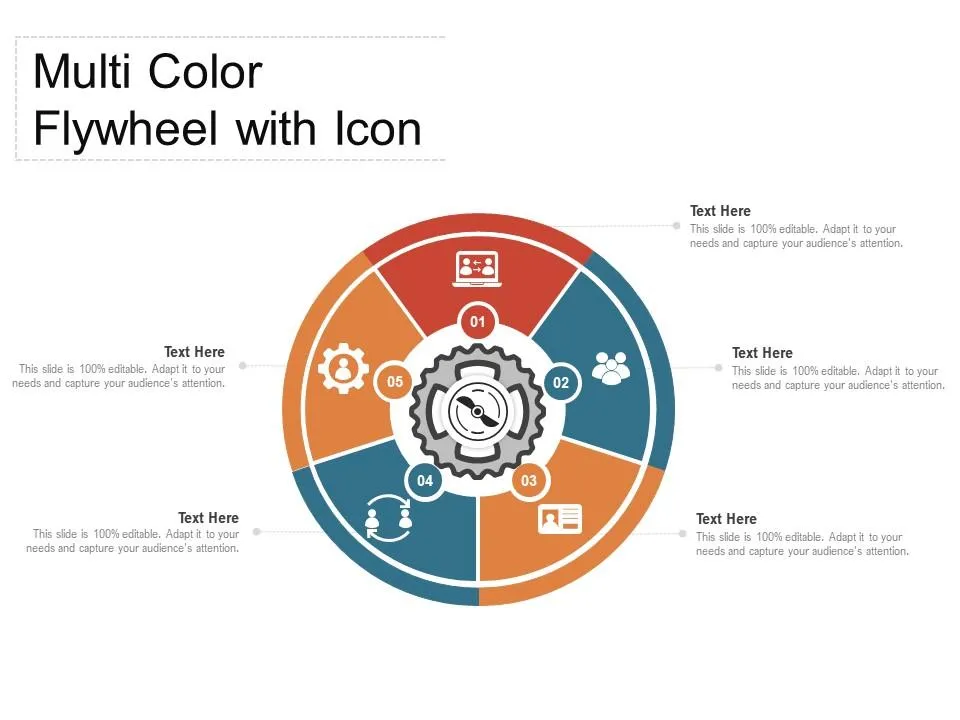
Ecommerce internal flywheel data visualization
This paradigm shift involves moving from resolving issues to proactively engaging customers, anticipating needs, and facilitating upselling and cross-selling opportunities. By doing so, CS teams become integral to the sales cycle, nurturing existing relationships to generate predictable, sustainable revenue streams.
The Shopify Plus Advantage: Unlocking Scalability for CX-Driven Growth
Shopify Plus provides the robust infrastructure and advanced capabilities necessary to execute this transformation at scale. Its enterprise-grade features empower merchants to automate complex workflows, personalize customer journeys, and manage diverse sales channels efficiently.
Leveraging Shopify Plus features allows brands to build a scalable and resilient customer experience (CX) ecosystem. This foundation enables CS teams to move beyond manual tasks, focusing instead on high-value interactions that directly contribute to revenue growth and customer retention strategies.
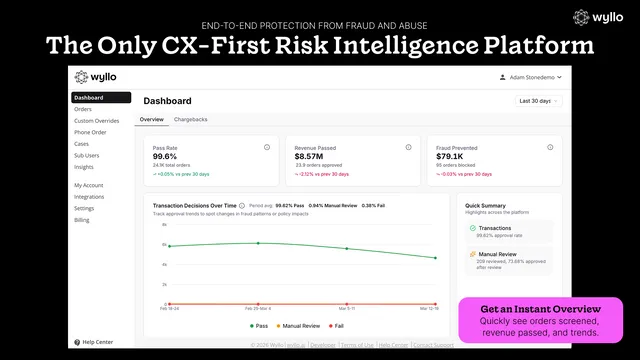 Shopify Plus CX feature implementation dashboard
Phase 1: Architecting the Foundation – Identifying High-Impact Shopify Plus Features for CX
Building a revenue-generating customer success operation requires a strategic selection and implementation of Shopify Plus features. This phase focuses on identifying the tools that will deliver the most significant impact on customer experience and, consequently, revenue.
Leveraging Shopify Flow for Proactive Customer Engagement & Automation
Shopify Flow is an indispensable automation platform for enterprise merchants, enabling the creation of custom workflows that respond to customer actions and data triggers. It transforms reactive support into proactive engagement by automating key touchpoints across the customer journey mapping.
Use Flow to segment customers based on purchase history, automate personalized follow-ups for abandoned carts, or trigger win-back campaigns for at-risk customers. This intelligent automation drastically improves e-commerce operational efficiency and ensures timely, relevant communication, directly bolstering customer retention strategies.
- Automate Post-Purchase Workflows: Trigger personalized thank-you emails, order status updates, or requests for reviews based on specific product purchases or order values.
- Flag At-Risk Customers: Identify customers with declining engagement or subscription churn signals, automatically notifying CS teams for proactive outreach.
- Streamline Returns & Exchanges: Initiate return labels or exchange processes based on customer-submitted forms, reducing manual effort and improving turnaround times.
- Personalized Upsell/Cross-sell Triggers: Based on purchase patterns, automatically suggest complementary products or upgrades at opportune moments.
Personalization at Scale: Shopify Scripts, Launchpad, and Third-Party Integrations
Delivering a personalized experience at scale is paramount for enhancing customer loyalty and driving conversions. Shopify Plus offers powerful native tools and a rich ecosystem for this purpose.
Shopify Scripts allow for dynamic adjustments to pricing, shipping, and payment options directly at checkout, offering tailored incentives. Launchpad automates the scheduling of sales, product launches, and content updates, ensuring consistent, timely brand experiences. Integrate best-in-class third-party apps for advanced recommendations, personalized content delivery, and hyper-segmented marketing campaigns, further refining personalization at scale.
- Shopify Scripts: Implement dynamic discounts for loyal customers, offer free shipping thresholds, or present specific payment gateways based on customer segments.
- Launchpad: Schedule personalized promotions or product bundles to coincide with customer lifecycle events, ensuring consistent campaign execution.
- Third-Party Personalization Engines: Integrate platforms like Nosto or Klevu for AI-driven product recommendations, personalized search results, and dynamic content blocks that adapt to individual browsing behavior.
Streamlining Post-Purchase: Order Editing, Returns Management, and Subscription Tools
The post-purchase experience is a critical determinant of customer satisfaction and repeat business. Shopify Plus provides features that streamline these processes, turning potential friction points into opportunities for positive engagement.
Native order editing capabilities allow CS teams to modify orders post-purchase, accommodating customer requests without cancellation. Robust returns management solutions (often via apps) simplify the process for both customers and staff. Dedicated subscription management Shopify Plus tools are essential for recurring revenue models, offering customers self-service options to manage their subscriptions, reducing support tickets and improving retention.
- Order Editing: Empower CS agents to adjust quantities, add/remove items, or update shipping details for placed orders, enhancing flexibility and customer satisfaction.
- Automated Returns Portals: Implement apps like Loop Returns or Returnly to provide customers with a seamless, self-service return experience, reducing inbound inquiries.
- Subscription Management Platforms: Utilize ReCharge or Bold Subscriptions to enable customers to pause, skip, or modify their subscriptions, fostering autonomy and reducing churn.
B2B/Wholesale Channels: Expanding Revenue Opportunities with Existing Customers
For merchants with a B2B or wholesale component, Shopify Plus offers specialized channels to serve these high-value customers effectively. This is a direct route to expanding revenue opportunities with existing, loyal client bases.
Leverage the native B2B on Shopify Plus capabilities to offer custom pricing, volume discounts, and dedicated payment terms. Provide customer-specific catalogs and streamlined re-ordering processes. This dedicated approach not only improves the B2B customer experience but also significantly boosts upselling and cross-selling potential within your existing network, solidifying long-term relationships.
- Custom Pricing & Catalogs: Offer unique price lists and product selections to different wholesale accounts, ensuring a tailored purchasing experience.
- Quick Order Lists & Re-ordering: Enable B2B clients to quickly re-order past purchases or build bulk orders, simplifying their procurement process.
- Dedicated Account Management: Assign specific CS representatives to key B2B accounts, providing personalized support and fostering stronger relationships.
- Volume Discounts & Tiered Pricing: Implement complex pricing structures to incentivize larger orders, directly impacting average order value.
Phase 2: The Project Management Playbook – Implementing Shopify Plus Features with Precision
Implementing sophisticated Shopify Plus features to transform customer success requires more than just technical know-how; it demands a structured project management approach. This phase outlines the methodologies and strategies for precise, impactful feature rollouts.
Agile Methodologies for E-commerce Feature Rollouts: Sprints, Stand-ups, and Iteration
Adopting agile methodologies like Scrum or Kanban is crucial for efficient and responsive project management in e-commerce. These frameworks enable rapid iteration, continuous feedback, and flexible adaptation to changing customer needs or market conditions.
Organize development into short sprints, conduct daily stand-ups to monitor progress and address blockers, and prioritize iterative improvements over monolithic launches. This approach minimizes risk, accelerates time-to-value for new Shopify Plus features, and ensures e-commerce operational efficiency in feature deployment.
- Define User Stories: Clearly articulate the desired outcome and value for the customer and the CS team for each feature.
- Prioritize Backlog: Work with stakeholders to rank features based on impact, effort, and strategic alignment.
- Plan Sprints: Break down prioritized features into manageable tasks for 1-2 week sprints, assigning clear ownership.
- Conduct Daily Stand-ups: Facilitate brief daily meetings to review progress, identify impediments, and align team efforts.
- Review & Retrospect: At the end of each sprint, demonstrate completed features, gather feedback, and identify areas for process improvement.
Stakeholder Alignment: Bridging the Gap Between CX, Marketing, and Development Teams
Successful implementation of CX-driven Shopify Plus features hinges on seamless collaboration across departments. Misalignment between customer success, marketing, and development teams can derail even the most promising initiatives.
Establish clear communication channels, shared goals, and cross-functional working groups. Ensure all teams understand the strategic objectives and their respective roles in achieving them. This integrated approach fosters a unified vision, ensuring that new features serve both customer needs and broader business objectives, enhancing overall customer journey mapping.
- Cross-Functional Workshops: Regularly bring together representatives from CX, marketing, and development to define requirements and discuss implementation challenges.
- Shared KPIs: Establish key performance indicators (KPIs) that are relevant to all teams, such as Customer Lifetime Value (CLV) or churn rate, to foster collective ownership.
- Centralized Communication Hub: Utilize project management tools (e.g., Jira, Asana) to ensure transparency and provide a single source of truth for project status and decisions.
Data-Driven Prioritization: Using CLV and Churn Metrics to Guide Feature Adoption
In a resource-constrained environment, prioritizing which Shopify Plus features to implement is critical. This decision-making process must be anchored in data, specifically Customer Lifetime Value (CLV) and churn metrics.
Analyze how proposed features are projected to impact CLV by increasing AOV, purchase frequency, or retention. Prioritize features that directly address pain points leading to customer churn or those with the highest potential to elevate the experience for your most valuable segments. This data-driven customer success approach ensures that development efforts yield the maximum return on investment. For expert guidance on optimizing these metrics, consider our Shopify Plus Consulting services.
- Churn Analysis: Identify common reasons for customer churn (e.g., poor post-purchase experience, lack of personalization) and prioritize features that mitigate these issues.
- CLV Segmentation: Focus on developing features that enhance the experience for high-CLV customer segments, protecting and growing your most profitable relationships.
- Support Ticket Analysis: Categorize and analyze inbound support requests to identify recurring problems that could be solved or alleviated by new Shopify Plus features.
Phase 3: Activating the Flywheel – Measuring Impact and Optimizing for Revenue
The final phase involves rigorously measuring the impact of implemented Shopify Plus features and continuously optimizing them. This feedback loop is what truly activates the 'internal flywheel,' ensuring that customer success initiatives consistently drive revenue.
Key Performance Indicators (KPIs) for CX-Driven Revenue: LTV, AOV, and Repeat Purchase Rate
To quantify the revenue impact of your customer success initiatives, focus on a core set of financial and behavioral KPIs. These metrics provide a clear picture of how well your Shopify Plus features are converting customer satisfaction into tangible business growth.
Track Customer Lifetime Value (LTV) as the ultimate measure of long-term customer profitability. Monitor Average Order Value (AOV) to gauge the effectiveness of upsell and cross-sell strategies. Analyze Repeat Purchase Rate and Purchase Frequency to understand customer loyalty and the efficacy of customer retention strategies. These KPIs collectively demonstrate the ROI of your CX investments.
- Customer Lifetime Value (LTV): The total revenue a business expects to generate from a customer relationship over its lifespan.
- Average Order Value (AOV): The average amount of money a customer spends per transaction.
- Repeat Purchase Rate: The percentage of customers who have made more than one purchase from your store.
- Customer Churn Rate: The percentage of customers who stop doing business with your company over a given period.
- Net Promoter Score (NPS) / Customer Satisfaction (CSAT): Qualitative measures of customer loyalty and happiness, often correlated with future purchasing behavior.
A/B Testing & Iterative Improvement: Fine-Tuning Shopify Plus Features for Maximum ROI
Implementation is just the beginning; continuous optimization is key to maximizing the return on your Shopify Plus feature investments. A/B testing allows you to systematically refine your CX initiatives, ensuring they perform at their peak.
Routinely A/B test different variations of personalization rules, Shopify Flow automations, or post-purchase communication sequences. Analyze the impact on your core KPIs and iterate based on the data-driven customer success insights. This disciplined approach to testing ensures that every enhancement contributes demonstrably to revenue growth and customer satisfaction.
- Hypothesis Generation: Formulate clear hypotheses about how a specific change to a Shopify Plus feature will impact a target KPI.
- Controlled Experimentation: Run A/B tests on different versions of a feature (e.g., two different personalized discount offers via Shopify Scripts) with segmented audiences.
- Statistical Analysis: Analyze test results to determine statistical significance and identify winning variations.
- Implementation & Scaling: Roll out the winning variation to your full audience and continue monitoring its performance.
Training & Adoption: Empowering Customer Success Teams to Leverage New Tools
Even the most advanced Shopify Plus features are only as effective as the teams using them. Comprehensive training and fostering a culture of adoption within your customer success teams are non-negotiable for success.
Provide hands-on training for new tools and workflows, create detailed standard operating procedures (SOPs), and establish internal champions. Empower your CS team to understand the strategic value of these tools and how they contribute to revenue. This investment in human capital ensures that your technological enhancements translate directly into improved customer interactions and increased upselling and cross-selling opportunities.
- Interactive Training Sessions: Conduct workshops and live demos for new Shopify Plus features, focusing on practical application.
- Knowledge Base & SOPs: Develop an accessible internal knowledge base with step-by-step guides and best practices for using each tool.
- Internal Champions Program: Designate and train power users within the CS team to act as internal experts and provide peer support.
- Continuous Feedback Loop: Encourage CS agents to provide feedback on tool usability and effectiveness, contributing to ongoing optimization.
Case Study Spotlight: Brands Revolutionizing Revenue Through Shopify Plus CX Initiatives
Real-world examples illustrate the transformative power of strategically deployed Shopify Plus features. These case studies highlight how customer success, when viewed as a revenue engine, can drive significant growth.
From Reactive Support to Proactive Sales: A Subscription Box Success Story
A rapidly growing subscription box brand faced high churn rates, often due to customers forgetting to update payment methods or wanting to skip a month. Their customer service was overwhelmed with reactive inquiries.
They implemented Shopify Flow to identify subscribers nearing renewal, automating personalized email reminders for payment updates. Using a subscription management Shopify Plus app, they enabled self-service options for customers to pause or skip boxes directly from their account. This proactive approach reduced churn by 15% within six months, freeing CS agents to focus on upselling and cross-selling complementary products, increasing average subscriber LTV by 20%.
Scaling B2B Customer Relationships with Shopify Plus Wholesale Channels
A B2B furniture supplier struggled with manual order processing and inconsistent pricing for their network of interior designers. This created friction and limited their ability to scale.
They migrated their B2B operations to Shopify Plus, utilizing the native wholesale channels. This allowed them to create custom price lists for different designer tiers and offer quick re-order forms. The new system drastically reduced order processing time by 80%, enabling their CS team to spend more time on relationship building and introducing new product lines. This led to a 30% increase in average order value and a significant expansion of their B2B client base, demonstrating the power of Shopify Plus B2B wholesale channels.
Future-Proofing Your Flywheel: Emerging Shopify Plus Features and CX Trends
The e-commerce landscape is constantly evolving. To maintain a competitive edge and ensure your internal flywheel remains robust, it's essential to anticipate and integrate emerging technologies and CX trends.
AI-powered Personalization and Predictive Analytics for Customer Success
The next frontier for personalization and proactive customer success lies in artificial intelligence and predictive analytics. AI can analyze vast datasets to identify subtle customer behaviors, predict future needs, and even anticipate potential churn before it occurs.
Imagine AI-driven chatbots that not only answer questions but proactively suggest relevant products based on real-time browsing. Or systems that flag customers likely to churn and automatically trigger a personalized, high-value offer via Shopify Flow. This level of data-driven customer success will enable hyper-personalized experiences and truly proactive problem-solving, dramatically enhancing LTV.
- Predictive Churn Detection: AI models identify customers at risk of churning, allowing CS teams to intervene with targeted retention efforts.
- Hyper-Personalized Product Recommendations: AI learns individual preferences beyond basic purchase history, offering highly relevant product suggestions in real-time.
- Automated Proactive Support: AI anticipates common customer issues (e.g., shipping delays for specific regions) and proactively communicates solutions before the customer reaches out.
Headless Commerce and its Impact on Bespoke CX Solutions
Headless commerce, decoupling the front-end customer experience from the back-end e-commerce platform, offers unparalleled flexibility for creating truly bespoke CX solutions. While Shopify Plus provides robust capabilities, a headless setup allows for ultimate customization.
This architecture enables brands to integrate best-of-breed services for every aspect of the customer journey, from advanced content management systems to highly customized checkout flows and loyalty programs. For brands requiring a unique, highly differentiated customer experience that goes beyond standard templates, headless commerce on Shopify Plus represents the pinnacle of customization and control. For assistance in navigating such complex architectural decisions, particularly regarding performance and user experience, our Shopify CRO Consulting can provide strategic insights.
- Unrestricted Front-End Design: Create entirely custom storefronts and interfaces tailored precisely to brand identity and unique customer journey mapping.
- Best-of-Breed Integrations: Seamlessly integrate specialized third-party services for specific CX functions (e.g., advanced loyalty programs, complex configurators) without platform limitations.
- Enhanced Performance: Often results in faster load times and smoother user experiences, which directly contribute to customer satisfaction and conversion rates.
Frequently Asked Questions
What is the "Internal Flywheel" in e-commerce?
The "Internal Flywheel" in e-commerce is a strategic framework designed to transform customer success from a traditional cost center into a proactive revenue engine. It operates by meticulously project-managing the implementation and optimization of advanced Shopify Plus features to reduce customer friction, enhance engagement, and drive repeat purchases. This model focuses on leveraging data-driven insights to continuously improve customer lifetime value (LTV) and overall profitability for enterprise merchants. Instead of merely reacting to customer issues, the Internal Flywheel empowers customer success teams to anticipate needs, personalize experiences, and facilitate upsell and cross-sell opportunities, thereby fostering organic growth and building a sustainable, predictable revenue stream through enhanced customer loyalty and advocacy.
How does Shopify Flow enhance customer retention?
Shopify Flow enhances customer retention by automating proactive engagements. It allows merchants to create custom workflows that respond to customer actions, such as segmenting customers for personalized follow-ups, triggering win-back campaigns for at-risk customers, or automating post-purchase communications. This intelligent automation ensures timely and relevant interactions, significantly improving customer experience and reducing churn.
What KPIs should I track to measure CX revenue impact?
To measure the revenue impact of customer experience initiatives, key performance indicators (KPIs) to track include Customer Lifetime Value (LTV), Average Order Value (AOV), Repeat Purchase Rate, and Customer Churn Rate. Additionally, qualitative metrics like Net Promoter Score (NPS) or Customer Satisfaction (CSAT) can provide insights into customer loyalty and happiness, which correlate with future purchasing behavior.
Can Shopify Plus support B2B customer success initiatives?
Yes, Shopify Plus offers robust native B2B capabilities, including custom pricing, volume discounts, dedicated payment terms, and customer-specific catalogs. These features enable merchants to provide a tailored purchasing experience for wholesale clients, streamline re-ordering processes, and empower customer success teams to focus on relationship building and expanding revenue opportunities with existing B2B customers.

Ecommerce manager, Shopify & Shopify Plus consultant with 10+ years of experience helping enterprise brands scale their ecommerce operations. Certified Shopify Partner with 130+ successful store migrations.
![Shopify Plus AI: Stop Fraud, Unlock 20%+ Revenue [Ecommerce Profit]](/img/blog/shopify-plus-ai-fraud-engine-1.webp)
![Shopify Plus Emails: Skyrocket CRO & LTV [Expert Guide]](/img/blog/shopify-plus-email-templates-cro-ltv-1.webp)