

- The Dawn of BCI in E-commerce: Beyond the Hype to Practical Applications
- Decoding Brain-Computer Interfaces: A 2026 E-commerce Primer
- Early Adopter Advantages: Shopify Plus & BCI Integration Points
- The Imperative of "Uncoerced Conversion": Defining Ethical Boundaries
- From Persuasion to Manipulation: Identifying the Ethical Red Lines in BCI CRO
- Establishing a Consent-First Framework for BCI Data Collection
- The Psychology of Trust: Building Authenticity in a Neuromarketing Landscape
- Reimagining UX Research for Cognitive Interfaces
- Beyond Eye-Tracking: Measuring Cognitive Load and Emotional Response with BCI
- Designing for Neurodiversity: Inclusive UX in BCI Environments
- Predictive Personalization vs. Prescriptive Influence: A UX Dilemma
- Advanced CRO Strategies for BCI-Driven Shopify Plus
- A/B Testing with Neurometric Data: Optimizing Beyond Clicks
- Dynamic Content Adaptation based on Real-time Cognitive States
- Conversion Measurement in a BCI World: New Metrics for Authentic Success
- Technical Implementation & Safeguards on Shopify Plus
- Leveraging Shopify Plus APIs for Secure BCI Data Integration
- Architecting Data Governance & Privacy Protocols for Sensitive User Data
- The Role of AI and Machine Learning in Ethical BCI Deployment
- Future-Proofing Your E-commerce Strategy: The 2026 & Beyond Outlook
- Regulatory Landscape: Navigating Emerging Data Ethics Laws
- Cultivating a Culture of Ethical Innovation: Long-term Customer Success
- The Competitive Edge of Trust: Why Ethical BCI is the Ultimate Differentiator
- Related Reading
The Dawn of BCI in E-commerce: Beyond the Hype to Practical Applications
Decoding Brain-Computer Interfaces: A 2026 E-commerce Primer
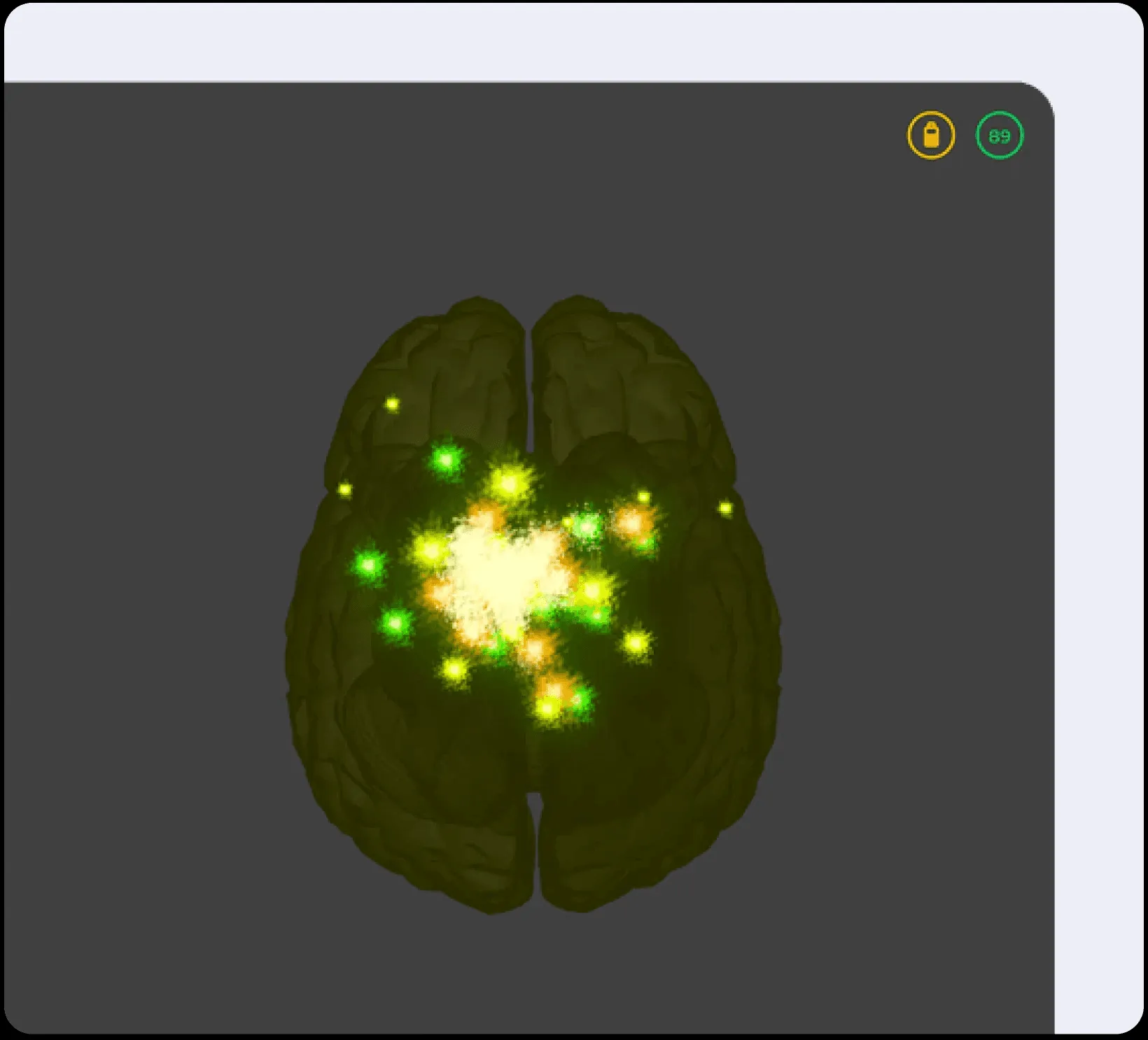
By 2026, non-invasive brain-computer interfaces (BCI) will transition from niche research into viable tools for advanced e-commerce. These systems, predominantly utilizing high-resolution electroencephalography (EEG) or functional near-infrared spectroscopy (fNIRS), capture neural signals.
They interpret specific cognitive states: attention, engagement, cognitive load, and emotional valence. For Shopify Plus enterprises, this signifies a paradigm shift from inferring user intent to directly observing real-time cognitive responses during the shopping experience.
non-invasive BCI e-commerce user interface
The core functionality involves translating brain activity into actionable data points, allowing merchants to understand involuntary psychological reactions to product displays, pricing, or checkout flows, offering a richer dataset than traditional behavioral analytics.
Early Adopter Advantages: Shopify Plus & BCI Integration Points
Enterprise merchants on Shopify Plus are uniquely positioned to leverage BCI early due to its robust API infrastructure and extensibility. Integrating BCI data streams requires a platform capable of handling high-velocity, granular data and dynamic content delivery.
Key integration points for BCI include the product detail page (PDP), category pages, and the checkout process. BCI can monitor user engagement with product imagery, detect frustration during navigation, or identify cognitive friction at payment gateways.
Early adopters gain a significant competitive edge by pioneering cognitive load optimization and truly personalized experiences. This leads to higher conversion rates driven by reduced friction and enhanced user satisfaction, setting new benchmarks for customer success.
- Real-time UX Diagnostics: Identify exact moments of confusion or disinterest.
- Personalized Merchandising: Dynamically adjust product recommendations based on subconscious preferences.
- Optimized Checkout Flows: Pinpoint and resolve cognitive bottlenecks that lead to abandonment.
The Imperative of "Uncoerced Conversion": Defining Ethical Boundaries
From Persuasion to Manipulation: Identifying the Ethical Red Lines in BCI CRO
The advent of BCI in CRO mandates a stringent ethical framework, distinguishing legitimate persuasion from manipulative influence. The ability to directly access cognitive states introduces a profound responsibility to protect user autonomy.
Ethical red lines include any BCI application designed to induce subconscious purchasing decisions without explicit cognitive consent. This encompasses subliminal messaging or exploiting detected emotional vulnerabilities to drive impulse buys.
Our focus must remain on facilitating informed decision-making and enhancing user experience, not bypassing rational thought. True neuro-commerce ethics prioritizes user well-being over short-term conversion gains.
An "uncoerced conversion" in a BCI-driven e-commerce environment signifies a transaction initiated by genuine user intent, free from undue cognitive influence or exploitation of detected vulnerabilities. This ethical standard mandates explicit user consent for BCI data collection and processing, ensuring transparency regarding how neural data informs personalization. It requires that BCI applications optimize the user journey by reducing friction and enhancing clarity, rather than by triggering impulsive or subconsciously manipulated purchasing behaviors. Merchants must prioritize user autonomy, allowing customers to maintain full control over their decision-making process, even when BCI insights reveal their deepest preferences or cognitive states. The objective is to build long-term trust and foster authentic customer success, recognizing that genuine conversions stem from understanding and meeting user needs, not from covert persuasion. This approach cultivates enduring loyalty and elevates the brand's ethical standing in a technologically advanced marketplace.
Establishing a Consent-First Framework for BCI Data Collection
A robust, transparent, and user-centric ethical framework for BCI data collection is non-negotiable. This framework must prioritize explicit, informed consent above all else.
Users must clearly understand what data is being collected, how it will be used, and crucially, how they can revoke consent at any time. This extends beyond simple click-through agreements to truly granular control over their cognitive data streams.
Implementation details for privacy-preserving BCI include:
- Granular Consent Dashboards: Allow users to toggle specific data types (e.g., emotional response, attention levels) for collection.
- Clear Data Usage Policies: Plain language explanations of how BCI data informs personalization and CRO.
- Opt-Out Simplicity: Easy, one-click options to halt BCI data collection and delete previously collected data.
This consent-driven personalization builds a foundation of trust, essential for sustained user engagement with BCI technologies.
The Psychology of Trust: Building Authenticity in a Neuromarketing Landscape
In a landscape where neuromarketing legal implications are still evolving, cultivating trust is the ultimate differentiator. Authenticity becomes paramount when brands can access users' subconscious thoughts.
Brands must communicate openly about their BCI implementations, emphasizing the benefits to the user experience rather than solely focusing on conversion uplift. This transparency fosters a sense of partnership, not surveillance.
Building trust signals in advanced e-commerce involves:
- Demonstrable User Value: Clearly show how BCI data improves site navigation, product discovery, or reduces checkout friction.
- Data Anonymization & Aggregation: Reassure users that individual cognitive data is not linked to personal identity for external sharing.
- Ethical AI Oversight: Implement human-in-the-loop systems to audit BCI-driven content adaptations for fairness and non-manipulation.
Authenticity ensures that BCI-driven improvements are perceived as helpful enhancements, not intrusive interventions.
Reimagining UX Research for Cognitive Interfaces
Beyond Eye-Tracking: Measuring Cognitive Load and Emotional Response with BCI
Traditional UX research, relying on heatmaps and eye-tracking, provides valuable but often superficial insights into user behavior. BCI elevates UX research by directly measuring internal cognitive states.
BCI technology can quantify cognitive load – the mental effort required to process information – and precisely map emotional responses like frustration, delight, or confusion. This data pinpoints exact friction points that eye-tracking alone cannot reveal.
For example, a user might visually scan a product page quickly (low eye-tracking fixation) but simultaneously exhibit high cognitive load due to complex product descriptions or overwhelming options. BCI captures this discrepancy.
- Quantitative Cognitive Load Metrics: Directly measure mental effort during complex tasks (e.g., comparing products, filling forms).
- Emotional Valence Mapping: Identify real-time emotional shifts in response to content or UI elements.
- Attention & Engagement Hotspots: Beyond where users look, understand what truly captures their mental focus.
Designing for Neurodiversity: Inclusive UX in BCI Environments
The precision of BCI data offers an unprecedented opportunity to design truly inclusive experiences, particularly for neurodiverse populations, as standard UX often overlooks varying cognitive processing styles.
By measuring individual cognitive load thresholds and emotional responses, BCI allows for adaptive interfaces that cater to specific neurodivergent needs, moving beyond 'one-size-fits-all' design principles.
An inclusive UX in BCI environments means:
- Adaptive Information Density: Adjust content complexity and visual noise based on detected cognitive processing capacity.
- Personalized Navigation Paths: Offer alternative navigation structures that reduce frustration for users with specific cognitive patterns.
- Sensory Sensitivity Adjustments: Dynamically alter visual stimuli, animations, or auditory cues to prevent sensory overload.
This commitment to neurodiversity not only broadens market reach but also reinforces an ethical brand image.
Predictive Personalization vs. Prescriptive Influence: A UX Dilemma
BCI introduces a critical distinction between predictive personalization and prescriptive influence. Predictive analytics BCI aims to anticipate user needs and preferences, offering relevant content or products.
Prescriptive influence, however, actively attempts to steer user decisions based on detected cognitive vulnerabilities or preferences, potentially bypassing conscious choice. This is the ethical line that must not be crossed.
The UX dilemma lies in leveraging BCI to enhance the user journey without dictating it. An ethical approach uses BCI to reduce friction and present optimal choices, empowering the user to make a truly informed decision.
Advanced CRO Strategies for BCI-Driven Shopify Plus
A/B Testing with Neurometric Data: Optimizing Beyond Clicks
Traditional A/B testing measures explicit user actions like clicks, conversions, and bounce rates. Integrating BCI data allows for a new dimension of optimization: A/B testing with neurometric data.
This involves comparing cognitive load, emotional valence, and attention levels between different page variations. A variant might yield similar click-through rates but significantly lower cognitive friction, indicating a superior long-term UX.
For CRO specialists, this means identifying truly optimal experiences, not just those that generate immediate, potentially coerced, actions. The goal is to optimize for authentic engagement and intent.
- Variant A vs. Variant B: Measure average cognitive load during key interactions (e.g., adding to cart).
- Emotional Response Tracking: Compare positive/negative emotional shifts between variants on PDPs.
- Attention Span Analysis: Determine which layouts or content elements sustain user attention most effectively.
Dynamic Content Adaptation based on Real-time Cognitive States
The ability to detect real-time cognitive states unlocks unprecedented opportunities for dynamic content adaptation on Shopify Plus. This moves beyond rule-based personalization to truly responsive experiences.
If a user exhibits high cognitive load on a complex product configurator, the system could dynamically simplify options or offer guided assistance; if frustration is detected during checkout, a live chat prompt could appear.
This level of dynamic adaptation is a cornerstone of advanced customer journey mapping BCI. It ensures the interface always aligns with the user's current mental state, optimizing for flow and reducing abandonment.
- Cognitive Load-Driven UI Simplification: Reduce visual elements or text density when mental effort is high.
- Emotional Response-Triggered Interventions: Offer support or alternative paths upon detection of frustration or confusion.
- Attention-Based Content Prioritization: Highlight key information when attention wanes, ensuring critical details are perceived.
Conversion Measurement in a BCI World: New Metrics for Authentic Success
In a BCI-driven landscape, conversion measurement must evolve beyond traditional metrics. While conversions remain important, new neurometric indicators provide a more authentic gauge of user success.
Metrics like "cognitive ease to conversion," "sustained positive emotional journey," or "attentional focus on key value propositions" become critical. These reveal the quality and authenticity of the conversion experience.
The ultimate goal is not just a completed transaction, but one that occurred with minimal friction, high engagement, and positive emotional valence, ensuring genuine customer success and repeat business.
- Cognitive Friction Score: Measure the average mental effort expended from landing page to conversion. Lower scores indicate better UX.
- Emotional Trajectory Index: Track the net emotional shift (positive vs. negative) throughout the user journey. Aim for positive or neutral.
- Intent Confirmation Rate: BCI can potentially confirm genuine purchase intent prior to explicit action, offering a deeper conversion metric.
Technical Implementation & Safeguards on Shopify Plus
Leveraging Shopify Plus APIs for Secure BCI Data Integration
Integrating BCI data streams into Shopify Plus requires robust and secure API utilization. The platform's extensive API capabilities are crucial for both ingesting neurometric data and dynamically serving personalized content.
The Storefront API can be used to render adaptive UI elements, while the Admin API can ingest aggregated, anonymized BCI data for analysis and backend personalization logic. Security protocols are paramount.
Key technical considerations for Shopify Plus API for BCI integration include:
- OAuth 2.0 for Authentication: Securely authorize BCI data platforms to interact with Shopify Plus.
- Webhooks for Real-time Updates: Trigger dynamic content changes or personalized offers based on immediate cognitive shifts.
- Custom App Development: Build bespoke integrations that handle BCI data ingestion, processing, and output for Shopify Plus.
This architecture ensures both scalability and the necessary security for sensitive data.
Architecting Data Governance & Privacy Protocols for Sensitive User Data
Handling sensitive neurometric data demands an unparalleled level of data governance and privacy protocols. This extends beyond basic GDPR or CCPA compliance to anticipate future data ethics regulations.
Architecting for privacy-preserving BCI involves robust anonymization, pseudonymization, and aggregation techniques at the point of data capture. Ideally, individual raw neural data should not persist in identifiable forms.
A multi-layered approach to data security and governance includes:
- Data Minimization: Collect only the BCI data strictly necessary for the stated purpose.
- Encryption at Rest and in Transit: Safeguard all neurometric data against unauthorized access.
- Access Controls & Auditing: Strict permissions for who can access BCI insights, with comprehensive audit trails.
- Regular Privacy Impact Assessments: Continuously evaluate the privacy implications of new BCI features.
These protocols are foundational for maintaining user trust and avoiding significant legal and reputational risks.
The Role of AI and Machine Learning in Ethical BCI Deployment
AI and Machine Learning (ML) are indispensable for processing the vast, complex datasets generated by BCI, but their deployment must be guided by ethics. AI can identify patterns in neural data to drive personalization.
However, AI models must be developed with an emphasis on transparent AI in e-commerce, avoiding black-box algorithms that could inadvertently lead to coercive tactics. Explainable AI (XAI) is crucial.
Ethical BCI deployment leverages AI for:
- Bias Detection & Mitigation: Ensure personalization algorithms do not perpetuate or amplify biases present in the training data.
- Automated Consent Enforcement: AI systems can continuously monitor and enforce user consent preferences for data usage.
- Anomaly Detection for Manipulation: ML models can flag unusual cognitive patterns that might indicate an attempt at subconscious manipulation.
- Predictive Analytics for UX Optimization: AI predicts user needs based on cognitive states, proactively improving the experience.
This integration ensures BCI capabilities are used to empower, not exploit, the user.
Future-Proofing Your E-commerce Strategy: The 2026 & Beyond Outlook
Regulatory Landscape: Navigating Emerging Data Ethics Laws
The regulatory landscape for BCI and neuromarketing is rapidly evolving. By 2026, expect more specific data ethics laws beyond current general privacy regulations, directly addressing cognitive data.
Merchants must proactively monitor and adapt to these emerging frameworks, which will likely focus on explicit cognitive consent, the right to mental privacy, and restrictions on neuro-manipulation. Early compliance offers a strategic advantage.
Future-proofing involves:
- Dedicated Legal & Ethics Teams: Establish internal expertise to interpret and implement emerging regulations.
- Flexible Data Architectures: Design systems that can adapt quickly to new consent requirements or data retention policies.
- Industry Collaboration: Participate in shaping ethical guidelines and best practices for BCI in e-commerce.
Staying ahead of the curve minimizes risk and reinforces market leadership.
Cultivating a Culture of Ethical Innovation: Long-term Customer Success
Beyond compliance, true long-term customer success in a BCI-driven world hinges on cultivating a culture of ethical innovation. This means embedding ethical considerations into every stage of product development and CRO strategy.
An ethically driven approach views BCI as a tool to deeply understand and serve customers, not merely to extract maximum value, fostering genuine loyalty and advocacy.
Key elements of an ethical innovation culture:
- Cross-Functional Ethics Review Boards: Involve diverse perspectives (UX, legal, CRO, engineering) in BCI feature development.
- User Education Initiatives: Proactively educate customers on BCI technology, its benefits, and their rights.
- Transparency by Design: Build BCI applications with inherent transparency, making data usage clear and controllable.
This proactive stance builds a resilient and respected brand.
The Competitive Edge of Trust: Why Ethical BCI is the Ultimate Differentiator
In a future where BCI becomes increasingly prevalent, trust will be the most valuable currency. Brands that demonstrably prioritize ethical BCI deployment will secure an unparalleled competitive advantage.
Customers will gravitate towards platforms where their cognitive privacy and autonomy are respected, viewing these brands as responsible stewards of advanced technology, creating a powerful differentiator beyond price or product.
Ethical BCI E-commerce Conversions lead to:
- Enhanced Brand Reputation: Position your brand as a leader in responsible technology adoption.
- Increased Customer Loyalty: Build deeper, more resilient relationships based on mutual respect and transparency.
- Sustainable Growth: Drive long-term conversion rates and customer lifetime value by fostering genuine connections.
Embracing an ethical framework for BCI is not merely a compliance exercise; it is the strategic imperative for enduring success in the 2026 e-commerce landscape and beyond.
Frequently Asked Questions
What are the key ethical considerations for using BCI in e-commerce?
Key ethical considerations for BCI in e-commerce revolve around user autonomy, data privacy, and avoiding manipulation. It's crucial to establish a consent-first framework, ensuring users explicitly understand what cognitive data is collected and how it's used, with easy opt-out options. Brands must distinguish between enhancing user experience and coercing purchasing decisions, prioritizing informed choice over subconscious influence. Transparency about BCI implementation and demonstrating clear user value are essential to build trust and maintain an ethical brand image, especially given the evolving neuromarketing legal landscape.
How will BCI impact conversion measurement on Shopify Plus by 2026?
By 2026, BCI will revolutionize conversion measurement on Shopify Plus by introducing neurometric indicators beyond traditional clicks and sales. New metrics like "cognitive ease to conversion," "sustained positive emotional journey," and "attentional focus on key value propositions" will become critical. These provide a deeper, more authentic gauge of user success, revealing the quality of the conversion experience. The goal shifts from merely completing a transaction to ensuring it occurred with minimal friction, high engagement, and positive emotional valence, leading to genuine customer success and repeat business.
What is "uncoerced conversion" in the context of BCI-driven e-commerce?
An "uncoerced conversion" in a BCI-driven e-commerce environment signifies a transaction initiated by genuine user intent, free from undue cognitive influence or exploitation of detected vulnerabilities. This ethical standard mandates explicit user consent for BCI data collection and processing, ensuring transparency regarding how neural data informs personalization. It requires that BCI applications optimize the user journey by reducing friction and enhancing clarity, rather than by triggering impulsive or subconsciously manipulated purchasing behaviors. Merchants must prioritize user autonomy, allowing customers to maintain full control over their decision-making process, even when BCI insights reveal their deepest preferences or cognitive states. The objective is to build long-term trust and foster authentic customer success, recognizing that genuine conversions stem from understanding and meeting user needs, not from covert persuasion. This approach cultivates enduring loyalty and elevates the brand's ethical standing in a technologically advanced marketplace.
How can Shopify Plus merchants prepare for BCI integration?
Shopify Plus merchants can prepare for BCI integration by first focusing on robust API utilization for secure data handling and dynamic content delivery. This involves leveraging Shopify's Storefront and Admin APIs for ingesting neurometric data and rendering adaptive UI. Secondly, establish stringent data governance and privacy protocols, including data minimization, encryption, and granular consent dashboards, to comply with emerging data ethics laws. Finally, cultivate a culture of ethical innovation, using AI and ML for transparent, bias-mitigated personalization, ensuring BCI enhances user experience without manipulation.

Ecommerce manager, Shopify & Shopify Plus consultant with 10+ years of experience helping enterprise brands scale their ecommerce operations. Certified Shopify Partner with 130+ successful store migrations.
![Invisible Interface: BCI & Shopify Plus [JS Blueprint 2026]](/img/blog/bci-shopify-plus-javascript-2026-1.webp)
![BCI & CRO: 5 Trust Principles for Neural E-commerce [2026]](/img/blog/bci-cro-ux-trust-research-2.webp)