
![Shopify Plus Shipping: Unlock 2X Profit & Cut Abandonment [Guide] Cover Image](/img/blog/shopify-plus-shipping-merchandising-1.webp)
- The Strategic Imperative: Why Shipping is More Than Just Logistics on Shopify Plus
- Beyond Free Shipping: Understanding the Nuances of Perceived Value
- The Direct Link Between Shipping Options and AOV/CLTV
- Deconstructing the "Unseen Upsell": Merchandising Principles Applied to Shipping
- Psychological Triggers: Scarcity, Urgency, and Social Proof in Shipping Choices
- Visual Hierarchy & Presentation: Making Premium Options Appealing
- Tiered Shipping as a Profit Lever (e.g., Standard, Expedited, White-Glove)
- Technical Deep Dive: Leveraging Shopify Plus Capabilities for Advanced Shipping Merchandising
- Shopify Scripts & Functions: Implementing Conditional Logic for Dynamic Rates
- Carrier Service APIs: Real-time Rate Integration and Customization
- App Ecosystem Integration: Enhancing Shipping Rules and Display
- Abandonment Recovery & The Shipping Factor: Turning Near-Losses into Wins
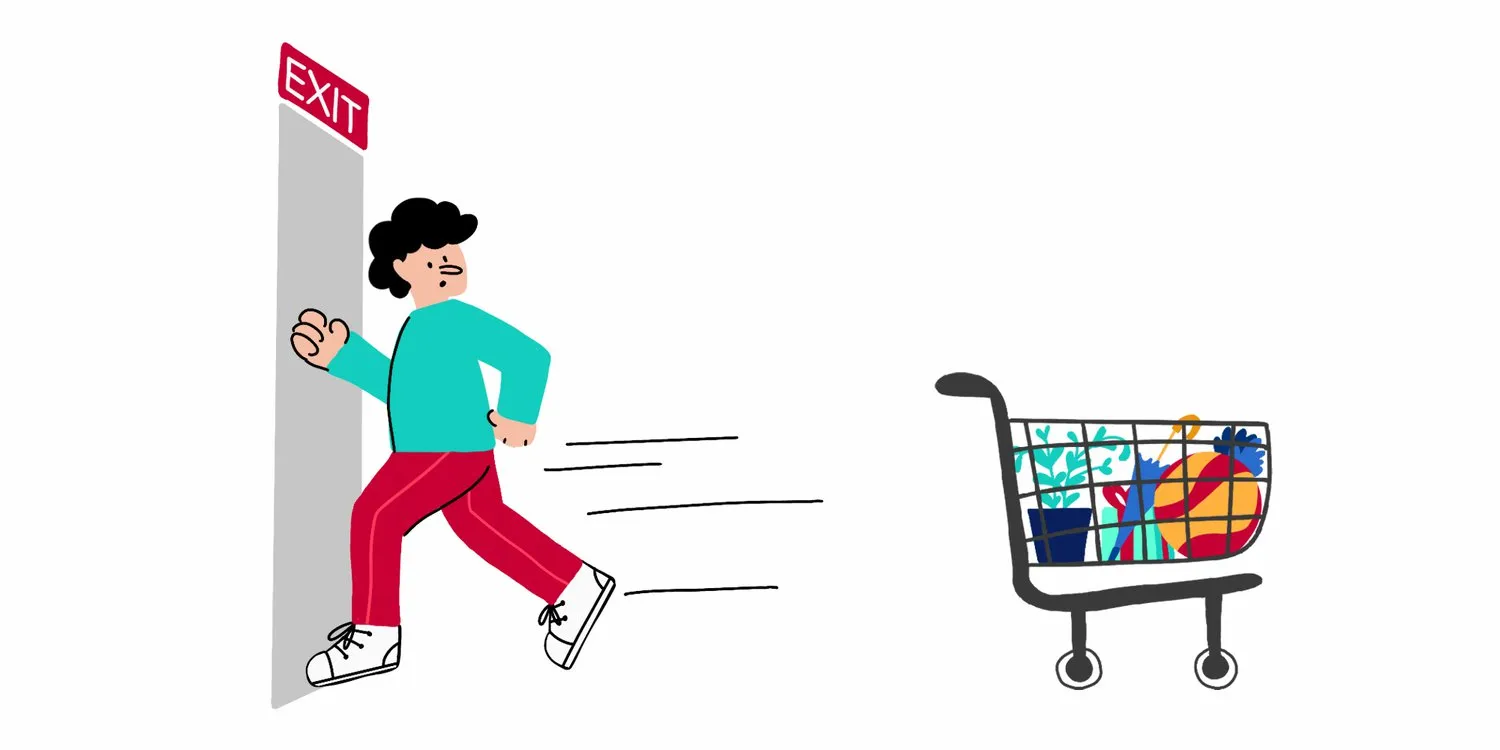
- Exit-Intent Pop-ups with Shipping Incentives (e.g., "Free Shipping if you complete now!")
- Cart Recovery Emails: Highlighting Value-Added Shipping Options
- Retargeting Strategies: Personalized Shipping Offers Based on Abandoned Cart Value
- Measuring Success: KPIs and A/B Testing Your Shipping Merchandising Strategy
- Key Metrics: Conversion Rate, AOV, Cart Abandonment Rate, Shipping Option Uptake
- Setting Up A/B Tests for Shipping Rate Presentation and Messaging
- Iterative Optimization: Continuous Improvement Based on Data
- Case Studies & Best Practices: Real-World Shopify Plus Examples
- Example 1: High-Value Product & White-Glove Delivery Upsell
- Example 2: Subscription Box & Expedited Shipping as a Retention Tool
- Example 3: International Shipping & Customs Pre-payment for Trust
- Further Reading & References
- Related Reading
The Strategic Imperative: Why Shipping is More Than Just Logistics on Shopify Plus
For high-volume merchants on Shopify Plus, shipping often resides in the operational shadows, viewed merely as a cost center or a necessary logistical hurdle. This perspective fundamentally misunderstands its profound impact on customer perception, purchasing decisions, and ultimately, profitability. A sophisticated shopify shipping strategy transcends basic fulfillment; it becomes a powerful Shopify Merchandising & CRO lever, capable of driving substantial profit optimization.
By strategically presenting and positioning shipping options, businesses can influence average order value (AOV), enhance customer lifetime value (CLTV), and significantly reduce cart abandonment. This deep dive unpacks how to transform shipping from a transactional necessity into a core component of your sales and retention funnel, leveraging the advanced capabilities of Shopify Plus.
Shopify Plus shipping profit dashboard
Beyond Free Shipping: Understanding the Nuances of Perceived Value
While "free shipping" remains a potent incentive, its effectiveness is often oversimplified. The true value lies not just in zero cost, but in the customer's overall delivery experience, which encompasses speed, reliability, tracking visibility, and even the unboxing moment. Customers are increasingly willing to pay for perceived value.
Perceived value extends to convenience, control, and peace of mind. Offering options like expedited delivery, scheduled delivery windows, or enhanced package security builds trust and caters to diverse customer needs. This nuanced approach to shipping goes beyond a simple price point, directly impacting your checkout conversion rate.
Merchandising shipping on Shopify Plus is a critical strategy for profit optimization and cart abandonment recovery, transforming a perceived cost into a significant revenue driver. By leveraging Shopify Plus's advanced features like Shopify Scripts, merchants can implement dynamic, conditional shipping rates that act as an "unseen upsell." This approach moves beyond simple free shipping offers, presenting tiered delivery options—Standard, Expedited, White-Glove—each strategically priced and positioned to enhance perceived value and encourage higher-margin selections. Such a sophisticated shopify shipping strategy directly impacts average order value (AOV) by prompting customers to qualify for better shipping tiers, while simultaneously reducing cart abandonment by offering compelling delivery incentives at critical decision points. This technical merchandising approach ensures a superior customer experience and measurable improvements in key Shopify Plus CRO metrics.
![Shopify Plus shipping upsell options - Shopify Plus Shipping: Unlock 2X Profit & Cut Abandonment [Guide]](/img/blog/shopify-plus-shipping-merchandising-2.webp) Shopify Plus shipping upsell options
Shopify Plus shipping upsell options
The Direct Link Between Shipping Options and AOV/CLTV
The choices presented at checkout directly correlate with your store's financial health. A well-structured array of shipping options can serve as a potent incentive for customers to increase their purchase value. By setting thresholds for discounted or free shipping, you directly encourage a higher average order value (AOV).
Furthermore, a positive delivery experience significantly contributes to customer lifetime value (CLTV). Timely, reliable, and transparent shipping builds loyalty, encouraging repeat purchases. Conversely, poor shipping experiences are a primary driver of customer churn, eroding long-term profitability.
Deconstructing the "Unseen Upsell": Merchandising Principles Applied to Shipping
Merchandising shipping is about applying established retail psychology to the checkout process. It means treating delivery options not as a static list, but as an integral part of the product offering, designed to maximize perceived value and encourage specific customer behaviors. This is where Shopify Merchandising & CRO intersect powerfully.
The goal is to shift customer focus from the 'cost' of shipping to the 'value' of the delivery experience. This involves strategic naming, clear communication of benefits, and leveraging psychological triggers to guide choices. Every element, from rate display to messaging, should be optimized for profit optimization.
Psychological Triggers: Scarcity, Urgency, and Social Proof in Shipping Choices
These classic CRO triggers can be effectively applied to shipping. Create urgency by displaying clear cut-off times: "Order in the next 2 hours and 37 minutes for delivery by Friday." This leverages a fear of missing out on faster delivery.
Scarcity, though less direct with shipping, can be implied through limited-time offers or premium options that might have capacity constraints. For instance, "White-Glove Installation: Limited slots available weekly."
Social proof can be powerful. Highlight "Most Popular" or "Customer Favorite" next to a preferred shipping option. This subtly guides new customers, leveraging the wisdom of the crowd. Such cues enhance the perceived value and desirability of specific shipping rate optimization choices.
Visual Hierarchy & Presentation: Making Premium Options Appealing
The visual presentation of shipping options on your checkout page is paramount. Don't just list prices; merchandise the benefits. Use clear, concise language that emphasizes speed, reliability, or specific service features.
Employ visual cues like checkmarks, icons, or subtle color highlights to draw attention to premium options. Position the most desirable or profitable option prominently, perhaps as the default selection, while allowing customers to easily switch. Ensure shipping cost transparency without overwhelming the user.
Clearly articulate the value proposition for each tier. Instead of "Standard Shipping," consider "Reliable Standard Delivery (5-7 business days)." For expedited, "Priority Express (2-3 business days + Tracking)." This framing enhances perceived value.
Tiered Shipping as a Profit Lever (e.g., Standard, Expedited, White-Glove)
Implementing a tiered shipping strategy is a fundamental aspect of the "unseen upsell." This involves offering multiple delivery options, each with distinct features and price points, designed to cater to different customer needs and willingness to pay.
Consider a basic three-tier structure:
- Standard Delivery: The baseline, often free above a certain AOV threshold, or offered at a low, competitive rate. Focus on reliability and clear delivery windows.
- Expedited / Priority Delivery: A mid-tier option for customers who prioritize speed. Priced to generate a healthy margin while still being perceived as a good value. This can include faster processing times.
- Premium / White-Glove Delivery: For high-value purchases or specific product categories, offering an elevated delivery experience. This might include scheduled delivery, installation services, or enhanced insurance. This tier is a pure post-purchase upsell strategy.
The key is to price these tiers strategically. The standard option anchors the perceived value, making the expedited option seem more reasonable. The premium option offers a significant upgrade for those who demand it, significantly boosting transaction profitability. This is core to effective shipping rate optimization.
Technical Deep Dive: Leveraging Shopify Plus Capabilities for Advanced Shipping Merchandising
Shopify Plus provides the robust infrastructure needed to execute sophisticated shipping merchandising. Unlike standard Shopify, Plus offers advanced features that enable dynamic, rule-based shipping logic, crucial for maximizing profit and optimizing the customer experience. This technical prowess is central to advanced Shopify Plus CRO efforts.
Understanding these capabilities allows merchants to move beyond static shipping rates and implement a truly dynamic fulfillment strategy. The goal is to present the right shipping option, at the right price, to the right customer, every single time.
Shopify Scripts & Functions: Implementing Conditional Logic for Dynamic Rates
Shopify Scripts (now evolving into Shopify Functions for more modularity) are the powerhouse for advanced conditional logic shipping. These allow you to write custom Ruby code that executes at checkout, dynamically adjusting shipping rates and options based on specific cart attributes.
Examples of what you can achieve with Shopify Scripts for shipping:
- Free Shipping Thresholds: Automatically apply free standard shipping when the cart total exceeds a set value (e.g., $75).
- Product-Specific Rates: Offer specialized shipping for certain products (e.g., oversized items, fragile goods, subscription products).
- Location-Based Adjustments: Modify rates based on the customer's shipping address (e.g., discounted local delivery, surcharges for remote areas).
- Customer Tag Discounts: Provide exclusive shipping rates to loyalty program members or wholesale customers.
- Bundle Discounts: Offer reduced shipping if specific product bundles are purchased together.
- Quantity-Based Logic: Adjust rates based on the number of items in the cart, allowing for bulk discounts on shipping.
This level of granularity is essential for granular profit optimization and delivering highly personalized offers. Scripts allow for complex, multi-layered rules that would be impossible with standard rate settings.
Carrier Service APIs: Real-time Rate Integration and Customization
Shopify Plus allows direct integration with Carrier Service APIs. This means your checkout can pull real-time shipping rates directly from major carriers (e.g., UPS, FedEx, USPS, DHL) based on the exact weight, dimensions, and destination of the customer's order. This ensures accurate pricing and eliminates manual rate calculation errors.
Beyond real-time rates, these APIs enable customization:
- Branded Tracking: Integrate carrier tracking information directly into your order status page, providing a seamless delivery experience.
- Custom Service Names: Rename generic carrier services to align with your brand voice (e.g., "UPS Ground" becomes "Standard Delivery by EcoShip").
- Rate Adjustments: Apply markups or discounts to carrier rates to cover handling fees or offer promotional pricing.
- Service Filtering: Only display specific carrier services that meet your fulfillment strategy and customer needs, hiding less desirable options.
This level of integration enhances shipping cost transparency and builds customer trust by providing accurate, up-to-the-minute information.
App Ecosystem Integration: Enhancing Shipping Rules and Display
While Shopify Scripts provide foundational logic, the extensive Shopify App Ecosystem offers specialized tools to further enhance shipping merchandising and shipping rate optimization.
Key app categories include:
- Advanced Shipping Rules Apps: Provide a user-friendly interface for building complex rules without needing to write code, often complementing or extending Script capabilities.
- Estimated Delivery Date Apps: Display dynamic delivery estimates on product pages and at checkout, reducing uncertainty and improving conversion.
- Local Delivery Apps: Streamline routing and management for localized delivery options, critical for urban-centric businesses.
- Multi-Origin Shipping Apps: For businesses shipping from multiple warehouses, these apps ensure accurate rates are calculated from the closest fulfillment center.
- International Shipping & Customs Apps: Facilitate duty and tax calculation/pre-payment, crucial for global expansion and improving the international delivery experience.
These integrations allow merchants to implement a comprehensive shopify shipping strategy that is both robust and flexible, continuously optimizing for checkout conversion rate.
Abandonment Recovery & The Shipping Factor: Turning Near-Losses into Wins
Cart abandonment is a pervasive challenge, and unexpected shipping costs or unappealing delivery options are primary culprits. A proactive shipping merchandising strategy can significantly mitigate this issue, turning potential losses into completed sales. This focuses on targeted interventions at critical points in the customer journey.
By understanding the role of shipping in abandonment, merchants can deploy specific incentives and communication tactics to re-engage hesitant buyers. This transforms shipping from a point of friction into a powerful recovery tool for Shopify Plus CRO.
Exit-Intent Pop-ups with Shipping Incentives (e.g., "Free Shipping if you complete now!")
When a customer signals intent to leave the checkout page, an exit-intent pop-up presents a last-chance opportunity. This is an ideal moment to deploy a targeted shipping incentive. Offering "Free Shipping if you complete your order in the next 15 minutes" can create immediate urgency and overcome the final hurdle.
Ensure these pop-ups are carefully designed to be non-intrusive and highly relevant. The offer should be compelling enough to warrant a second look, directly addressing a common reason for abandonment. Segmenting these offers based on cart value can also enhance their effectiveness.
Cart Recovery Emails: Highlighting Value-Added Shipping Options
Abandoned cart emails are a standard cart abandonment recovery tool, but they often focus solely on the product. Integrate shipping benefits directly into your recovery sequence. Remind customers of the expedited delivery options they considered or highlight the free shipping threshold they almost met.
Craft messages that emphasize the convenience, speed, or unique features of your shipping services. For example, "Don't miss out on [Product Name]! Remember, you're eligible for our Priority Express shipping for just $X more." This reinforces the value proposition of your fulfillment strategy.
Consider dynamic content in these emails that shows the exact shipping options available for their abandoned cart. This personalized reminder can be a powerful nudge towards conversion, contributing to profit optimization.
Retargeting Strategies: Personalized Shipping Offers Based on Abandoned Cart Value
Beyond immediate recovery, retargeting ads can bring back customers who abandoned their carts. Segment your audience based on abandoned cart value or specific product categories. High-value carts might warrant a more generous shipping incentive.
For example, a customer who abandoned a cart worth over $150 could be retargeted with an ad offering free expedited shipping. Lower-value carts might receive an offer for free standard shipping. This personalized approach maximizes the ROI of your ad spend and ensures incentives are appropriately matched to potential revenue.
Leverage platforms like Facebook and Google Ads to deliver these tailored offers. Combine product reminders with compelling shipping propositions to re-engage and convert, directly impacting your checkout conversion rate.
Measuring Success: KPIs and A/B Testing Your Shipping Merchandising Strategy
An effective shopify shipping strategy is not static; it requires continuous measurement, analysis, and refinement. Implementing a robust A/B testing framework is crucial for identifying what resonates most with your customer base and for driving incremental improvements in profit optimization. This data-driven approach is fundamental to advanced Shopify Plus CRO.
By tracking key performance indicators (KPIs) and systematically testing hypotheses, you can ensure your shipping merchandising efforts are yielding tangible results. This iterative process allows for continuous improvement based on real customer behavior.
Key Metrics: Conversion Rate, AOV, Cart Abandonment Rate, Shipping Option Uptake
To accurately assess the impact of your shipping merchandising strategy, focus on these critical metrics:
- Conversion Rate: The ultimate measure of success. Monitor overall site conversion and specifically the checkout conversion rate to see how changes in shipping options affect completions.
- Average Order Value (AOV): Track how tiered shipping options or free shipping thresholds influence the average amount customers spend per transaction.
- Cart Abandonment Rate: A direct indicator of friction at checkout. Look for reductions in this metric after implementing shipping incentives or improving clarity.
- Shipping Option Uptake: Analyze which shipping options customers select most frequently. This reveals preferences and helps identify which premium options are successfully being merchandised.
- Shipping Revenue vs. Cost: Monitor the revenue generated from paid shipping options against the actual fulfillment costs to ensure profit optimization.
- Customer Lifetime Value (CLTV): While a longer-term metric, track how improved delivery experience, driven by better shipping options, correlates with repeat purchases and customer loyalty.
Setting Up A/B Tests for Shipping Rate Presentation and Messaging
A/B testing is indispensable for optimizing your shipping rate optimization. Formulate clear hypotheses and test one variable at a time to isolate impact. Shopify Plus integrates with various A/B testing tools, or you can leverage custom solutions.
Consider testing:
- Naming Conventions: "Standard Shipping" vs. "Reliable Delivery (3-5 Days)."
- Pricing Tiers: Experiment with different price points for expedited or premium options.
- Free Shipping Thresholds: Test varying AOV targets for free shipping eligibility.
- Messaging & Benefits: Highlighting speed, tracking, or specific service features.
- Visual Hierarchy: Defaulting to a mid-tier option vs. the lowest-cost option.
- Incentive Placement: Testing exit-intent pop-ups vs. cart page banners for shipping offers.
Ensure your tests run long enough to gather statistically significant data before drawing conclusions. This scientific approach drives real Shopify Merchandising & CRO improvements.
Iterative Optimization: Continuous Improvement Based on Data
CRO is an ongoing process. Once an A/B test concludes, analyze the results to understand customer behavior. Implement the winning variation and then identify the next area for optimization. This iterative cycle of hypothesize, test, analyze, and implement is crucial for sustained growth.
Regularly review your shipping data, monitor competitor strategies, and adapt to changing customer expectations. Your fulfillment strategy should be agile, continuously evolving based on performance metrics and market trends. This commitment to data-driven decision-making ensures long-term profit optimization.
Case Studies & Best Practices: Real-World Shopify Plus Examples
Real-world applications best illustrate the power of merchandising shipping options on Shopify Plus. These examples demonstrate how diverse businesses can leverage a sophisticated shopify shipping strategy to achieve specific business objectives, from boosting AOV to enhancing customer loyalty.
These case studies showcase how technical capabilities, combined with strategic thinking, unlock significant profit optimization and address common challenges like cart abandonment.
Example 1: High-Value Product & White-Glove Delivery Upsell
A luxury furniture retailer on Shopify Plus faced challenges with high shipping costs for delicate, oversized items. Instead of absorbing these costs or passing them on bluntly, they merchandised a premium "White-Glove Delivery & Assembly" service.
Using Shopify Scripts for shipping, this option was conditionally displayed for specific product categories and higher-value carts. The service included scheduled delivery, in-home placement, and light assembly, framed as an essential part of the luxury purchase. This transformed a potential friction point into a lucrative post-purchase upsell strategy, significantly increasing AOV and customer satisfaction by offering a superior delivery experience.
Example 2: Subscription Box & Expedited Shipping as a Retention Tool
A gourmet coffee subscription service on Shopify Plus initially offered only standard shipping. They noticed a churn rate related to customers wanting their next box sooner. They implemented an "Expedited Re-Up" option.
Using app ecosystem integration and conditional logic shipping, subscribers could opt for faster delivery on their next recurring order for a small fee. This was promoted through customer portals and pre-shipment emails. The result was a measurable reduction in churn and an increase in CLTV, as customers valued the flexibility and speed. The expedited option became a powerful fulfillment strategy for retention.
Example 3: International Shipping & Customs Pre-payment for Trust
An apparel brand expanding globally encountered high international cart abandonment due to unexpected customs duties and taxes at delivery. They leveraged a specialized international shipping app integrated with Shopify Plus.
At checkout, customers were given the option to pre-pay all duties and taxes, clearly displayed as "Delivered Duty Paid (DDP)." This removed the uncertainty and surprise costs, significantly improving shipping cost transparency and international checkout conversion rate. By building trust and providing a seamless global delivery experience, the brand saw a substantial increase in international sales and reduced customer service inquiries related to customs issues.
Frequently Asked Questions
What is shipping merchandising on Shopify Plus?
Shipping merchandising on Shopify Plus is a strategic approach that transforms shipping from a mere logistical cost into a powerful revenue driver and customer experience enhancer. Instead of simply listing standard shipping rates, merchants actively 'merchandise' delivery options by applying retail psychology principles to the checkout process. This involves presenting tiered shipping choices—such as Standard, Expedited, or White-Glove—each strategically priced and positioned to influence customer behavior. Leveraging Shopify Plus features like Shopify Scripts and Carrier Service APIs, businesses can implement dynamic, conditional logic to offer personalized rates based on cart value, product type, or customer segment. The primary goals are profit optimization through upselling premium delivery services, increasing average order value (AOV) by setting free shipping thresholds, and significantly reducing cart abandonment by offering compelling, transparent, and value-added delivery incentives. This sophisticated strategy ensures shipping contributes directly to conversion rate optimization (CRO) and customer lifetime value (CLTV).
How do Shopify Scripts enhance shipping options for profit?
Shopify Scripts (and the newer Shopify Functions) enable merchants to implement complex, dynamic shipping logic at checkout. This means you can create conditional rules to offer free shipping above a certain cart value, apply product-specific rates, adjust rates based on customer location or tags, and even provide discounts for bundles. By tailoring shipping options dynamically, businesses can incentivize higher average order values, upsell premium delivery services, and ensure that shipping costs are accurately reflected and optimized for profitability, turning a cost center into a revenue opportunity.
What role does shipping play in reducing cart abandonment?
Unexpected shipping costs or a lack of desirable delivery options are primary drivers of cart abandonment. A well-merchandised shipping strategy directly addresses this by offering transparency, value, and choice. Implementing exit-intent pop-ups with shipping incentives, highlighting value-added shipping options in cart recovery emails, and using retargeting ads with personalized shipping offers can re-engage hesitant buyers. By making shipping a clear, appealing, and flexible part of the purchase, merchants can remove friction and convert near-losses into completed sales.
How can I measure the success of my Shopify Plus shipping strategy?
Measuring success involves tracking key performance indicators (KPIs) and utilizing A/B testing. Essential metrics include overall conversion rate, average order value (AOV), cart abandonment rate, and the uptake rate of different shipping options. Additionally, monitor shipping revenue versus actual fulfillment costs and the long-term impact on customer lifetime value (CLTV). A/B testing allows you to systematically test different naming conventions, pricing tiers, free shipping thresholds, and messaging to identify what resonates best with your customers and drives continuous profit optimization.

Ecommerce manager, Shopify & Shopify Plus consultant with 10+ years of experience helping enterprise brands scale their ecommerce operations. Certified Shopify Partner with 130+ successful store migrations.
![Shopify Plus AI: Stop Fraud, Unlock 20%+ Revenue [Ecommerce Profit]](/img/blog/shopify-plus-ai-fraud-engine-1.webp)
![Unlock Shopify Plus CRO: AI's False Positive Power [Guide]](/img/blog/ai-false-positive-shopify-plus-cro-2.webp)