![BCI 2026: Prevent Digital Nomad PM Burnout [Neuro-Wellness KPI] Cover Image](/img/blog/bci-2026-digital-nomad-burnout-2.webp)
- The Unseen Cost of Hyper-Distribution: Burnout's Silent Impact on Digital Nomad PMs
- Current Burnout Indicators: Limitations of Traditional PM Metrics
- The Unique Stressors of the Digital Nomad Lifestyle and Remote Collaboration
- BCI 2026: A Leap in Real-Time Cognitive Load Monitoring
- Non-Invasive BCI Advancements: Beyond the Lab and into the Workspace
- Decoding Brainwave Data: Identifying Pre-Burnout Signatures and Cognitive Fatigue
- Neuro-Wellness as a Proactive KPI: Shifting from Reactive to Predictive Project Management
- Establishing Baseline Cognitive Health Metrics for PMs and Teams
- Integrating BCI Data with Existing Project Management Platforms (e.g., Asana, Jira, Monday.com)
- Personalized Interventions: Empowering PMs with Actionable Neurofeedback Loops
- Adaptive Workflows: Dynamic Task Assignment Based on Real-Time Cognitive State
- Micro-Break Prompts & Focused Attention Training via BCI for Enhanced Productivity
- Ethical Considerations & Data Sovereignty in BCI-Enhanced Workplaces
- Balancing Performance Monitoring with Individual Privacy and Well-being
- Developing Frameworks for Consent and Data Usage in Future Work Environments
- The Technical Roadmap: Integrating BCI with E-commerce & Distributed Teams (Shopify Plus Context)
- API Integrations & Data Security Protocols for BCI Platforms
- Scaling Neuro-Wellness Solutions Across Global Digital Nomad Hubs
- Beyond 2026: The Future of Human-Computer Symbiosis in Project Leadership
- Related Reading
The Unseen Cost of Hyper-Distribution: Burnout's Silent Impact on Digital Nomad PMs
Hyper-distributed project teams, especially prevalent in the Shopify Plus ecosystem, offer unparalleled flexibility and global reach. However, this agility often masks a critical vulnerability: the escalating cognitive load and burnout experienced by Digital Nomad Project Managers (PMs). These individuals operate at the nexus of complex technical deployments, client expectations, and geographically disparate teams, often without traditional support structures.
The "always-on" culture, coupled with asynchronous collaboration across multiple time zones, creates a relentless demand on a PM's mental resources. This constant pressure, if unaddressed, leads to diminished decision-making, reduced innovation, and ultimately, project delays or failures—a tangible cost for enterprise merchants.
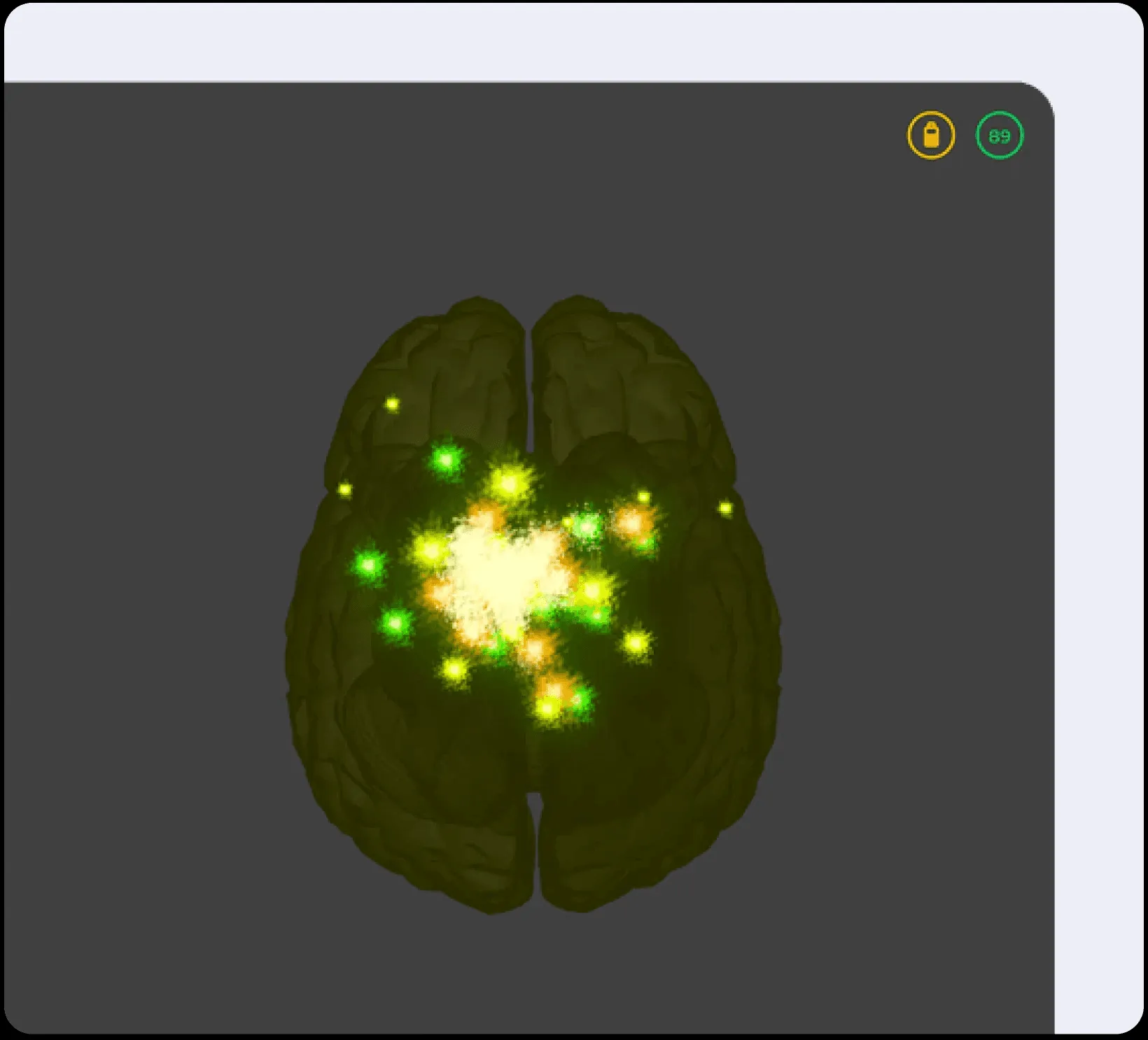
BCI neuro-wellness real-time dashboard
Current Burnout Indicators: Limitations of Traditional PM Metrics
Traditional project management metrics, while essential for tracking progress, are fundamentally reactive when it comes to human well-being. Sprint velocity, task completion rates, or bug fix counts offer a quantitative view of output, but fail to capture the qualitative state of the individual driving that output.
These metrics are lag indicators, revealing burnout only after its symptoms manifest as decreased productivity or missed deadlines. They provide no foresight into an individual's impending cognitive fatigue or stress biomarkers detection. For high-stakes Shopify Plus migrations or feature rollouts, waiting for these reactive signals is a significant operational risk.
- Lagging Indicators: Project delays, increased error rates, missed deadlines, decreased team morale survey results.
- Absence of Leading Indicators: No real-time data on cognitive load, emotional state, or attentional focus.
- Incomplete Picture: Focuses on task output, not the mental health and sustainability of the workforce.
The Unique Stressors of the Digital Nomad Lifestyle and Remote Collaboration
Digital nomad PMs face an amplified set of stressors beyond standard remote work challenges. Their lifestyle, while appealing, introduces specific cognitive overheads and social complexities that contribute significantly to burnout risk.
Constant geographical shifts, navigating new cultural contexts, and maintaining a fluid social network demand immense adaptive energy. This energy draw competes directly with the cognitive resources needed for complex project management tasks in a remote collaboration setting.
- Time Zone Juggling: Perpetual asynchronous communication, requiring PMs to often work outside standard hours to align with global teams or clients.
- Context Switching Overhead: Rapid shifts between diverse project contexts, client demands, and personal nomadic logistics, depleting mental reserves.
- Social Isolation: Lack of stable in-person team interaction can lead to feelings of disconnect, impacting mental resilience.
- "Always-On" Mentality: The blurred lines between work and leisure inherent in nomadic life make disengaging difficult, hindering recovery.
- Infrastructure Dependency: Reliability on local internet, power, and co-working spaces adds another layer of unpredictable stress.
BCI 2026: A Leap in Real-Time Cognitive Load Monitoring
The landscape of human-computer interaction is on the cusp of a profound transformation. Brain-computer interfaces 2026 advancements are set to move beyond clinical applications, offering robust, non-invasive solutions for continuous, real-time neuromonitoring technology in remote work environments.
This evolution provides the foundational technology to measure cognitive states directly, offering an unprecedented window into a PM's mental well-being and operational readiness. This is not about control, but about providing actionable data for self-management and team optimization.
Non-Invasive BCI Advancements: Beyond the Lab and into the Workspace
By 2026, the primary barrier to BCI adoption—invasiveness and bulkiness—will be largely overcome. We anticipate commercially viable, discreet, and comfortable wearable BCI devices that seamlessly integrate into daily work life.
These devices will leverage significant improvements in sensor technology and signal processing. Think sleek headbands, integrated earbuds, or even smart glasses capable of capturing high-fidelity brainwave data without disrupting workflow.
- Enhanced EEG Sensors: Dry electrodes with superior signal-to-noise ratio, requiring minimal setup and no conductive gel.
- fNIRS Integration: Functional Near-Infrared Spectroscopy for monitoring blood oxygenation changes, offering insights into localized brain activity.
- Miniaturization & Power Efficiency: Devices designed for all-day wear, with long battery life and robust connectivity (Bluetooth LE, Wi-Fi 6).
- User Comfort & Discretion: Form factors that are aesthetically pleasing and feel natural, fostering widespread acceptance among professionals.
Decoding Brainwave Data: Identifying Pre-Burnout Signatures and Cognitive Fatigue
The true power of BCI 2026 lies in its ability to translate complex brainwave patterns into actionable insights. Advanced machine learning algorithms will be key to identifying subtle shifts indicative of cognitive fatigue and the early stages of burnout.
By analyzing specific neural oscillations and physiological markers, these systems can provide predictive analytics for employee well-being, moving beyond subjective self-reporting to objective, data-driven assessments of mental state.
By 2026, advanced non-invasive brain-computer interfaces (BCIs) will revolutionize project management for digital nomad PMs by establishing neuro-wellness as a critical, proactive KPI. These wearable devices, leveraging refined EEG and fNIRS technologies, will continuously monitor cognitive load, attention levels, and stress biomarkers detection in real-time. This granular brainwave data, previously inaccessible, will enable predictive analytics for employee well-being, identifying pre-burnout signatures such as sustained alpha/theta ratio imbalances or elevated mental effort markers long before traditional metrics flag issues. Integrating BCI data with existing project management platforms like Jira or Asana via secure APIs will empower dynamic task re-assignment, trigger personalized micro-break prompts, and offer focused attention training. This shift from reactive crisis management to proactive cognitive load management strategies will significantly mitigate burnout, optimize distributed team performance, and foster a sustainable, high-output environment for hyper-distributed e-commerce projects, ensuring strategic resilience and operational continuity.
- Alpha/Theta Ratio Shifts: Monitoring changes in brainwave frequencies to detect reduced alertness and increased mental fogginess.
- P300 Amplitude Reduction: Indicative of decreased attentional focus and working memory capacity.
- Heart Rate Variability (HRV) & Skin Conductance: Integrated physiological sensors providing additional stress biomarkers detection.
- Machine Learning Models: Training AI to recognize individual pre-burnout signatures against established baselines, offering personalized insights.
Neuro-Wellness as a Proactive KPI: Shifting from Reactive to Predictive Project Management
The introduction of BCI data transforms neuro-wellness from a qualitative concern into a quantifiable, actionable Key Performance Indicator. This paradigm shift enables organizations to transition from reactive burnout recovery to proactive mitigation and prevention, especially vital for high-performing e-commerce teams managing critical Shopify Plus infrastructure.
By integrating neuro-wellness metrics, we can optimize human capital with the same rigor we apply to server uptime or conversion rates. This creates a sustainable operational model for distributed team performance optimization.
Establishing Baseline Cognitive Health Metrics for PMs and Teams
Implementing neuro-wellness as a KPI begins with establishing individual and team cognitive baselines. This initial phase involves a controlled period of BCI monitoring during typical work activities to understand a PM's unique neural signatures under various cognitive loads.
These baselines are crucial for personalized neurofeedback systems. They provide the reference point against which real-time data is compared, allowing the system to identify deviations indicative of fatigue or stress, rather than generic thresholds.
- Individual Baseline Profiling: Capturing typical brainwave patterns, attention span, mental resilience, and processing speed during focused work and breaks.
- Team Aggregation (Anonymized): Creating anonymized, aggregated team profiles to identify broader trends and potential systemic stressors within distributed teams.
- Privacy-First Approach: Emphasizing explicit consent and data ownership from day one, ensuring PMs control their personal data streams.
- Dynamic Benchmarking: Baselines are not static; they adapt over time as PMs develop new cognitive load management strategies or roles evolve.
Integrating BCI Data with Existing Project Management Platforms (e.g., Asana, Jira, Monday.com)
The real-world utility of BCI data hinges on its seamless integration into the existing operational fabric of project management. For Shopify Plus agencies and enterprise merchants, this means connecting BCI platforms with their established project management tools.
This integration transforms static task boards into dynamic, neuro-aware systems. A robust API-first architecture, familiar to any Shopify Plus developer, will be foundational for this data pipeline.
- API Endpoints & Webhooks: BCI platforms will expose secure RESTful or GraphQL APIs to push real-time cognitive state data. Webhooks can trigger immediate alerts or workflow adjustments.
- Custom App Development: For platforms like Jira or Asana, custom apps can be developed to ingest BCI data, visualize individual/team neuro-wellness KPIs, and provide configurable alerts.
- Data Normalization Layer: Implementing a middleware service or a custom Shopify app extension to normalize BCI data for consumption by various PM platforms, ensuring data consistency and security.
- Dashboard Integration: Visualizing cognitive load, attention scores, and stress levels directly within PM dashboards, providing PMs and team leads with a holistic view of well-being alongside project progress.
Personalized Interventions: Empowering PMs with Actionable Neurofeedback Loops
The goal isn't just monitoring; it's empowerment. BCI 2026 enables personalized neurofeedback systems that provide PMs with immediate, actionable insights into their cognitive state. This moves beyond generic advice, offering tailored interventions precisely when and where they are most effective.
These neurofeedback loops foster self-awareness and provide tools for self-regulation, allowing PMs to proactively manage their cognitive load and prevent burnout before it impacts project delivery or personal well-being.
Adaptive Workflows: Dynamic Task Assignment Based on Real-Time Cognitive State
Imagine a project management system that intelligently adapts to the cognitive state of your team. BCI data facilitates this by enabling dynamic task assignment, optimizing resource allocation based on real-time mental capacity rather than static schedules.
For a Shopify Plus rollout, where critical path tasks can shift rapidly, this adaptive workflow ensures that high-stakes activities are always assigned to PMs operating at their peak cognitive performance, or re-prioritized when necessary.
- Cognitive Load-Aware Task Distribution: Automatically re-assigning or delaying non-critical tasks if a PM's cognitive load exceeds a predefined threshold.
- Prioritization Adjustments: Elevating tasks requiring high focus when a PM is in an optimal state; deferring complex problem-solving when fatigue is detected.
- Team Load Balancing: Facilitating managers to redistribute workload across a distributed team based on collective neuro-wellness KPIs, optimizing overall distributed team performance.
- Automated Resource Allocation: Integrating with resource planning tools to suggest optimal allocation of cognitive resources for upcoming sprints or project phases.
Micro-Break Prompts & Focused Attention Training via BCI for Enhanced Productivity
One of the most immediate and impactful interventions BCI enables is personalized micro-break prompts. These are not arbitrary timers but intelligent nudges triggered by real-time detection of cognitive fatigue or attention drift.
Beyond breaks, BCIs can facilitate active focused attention training, a form of mental conditioning that helps PMs improve their ability to sustain focus and manage distractions, directly enhancing productivity and mental resilience.
- Intelligent Break Reminders: BCI detects declining attention or rising stress, prompting a short, restorative micro-break tailored to the individual's needs.
- Guided Mindfulness & Relaxation: Short, BCI-guided audio exercises (e.g., breathwork, brief meditation) that leverage neurofeedback to help PMs quickly re-center.
- Neurofeedback-Driven Focus Games: Gamified applications that use BCI data to train sustained attention and cognitive control, with real-time progress feedback.
- Personalized Cognitive Load Management Strategies: Delivering context-aware tips or techniques (e.g., specific breathing exercises, short physical activity suggestions) based on the detected cognitive state.
Ethical Considerations & Data Sovereignty in BCI-Enhanced Workplaces
The integration of BCI technology into the workplace, particularly for monitoring cognitive states, introduces profound ethical considerations. As technical developers, we must prioritize robust frameworks for data privacy, consent, and user autonomy to ensure these advancements serve human well-being, not surveillance.
The trust and adoption of neuro-wellness solutions will depend entirely on transparent policies and unassailable data security, especially in a global, hyper-distributed environment.
Balancing Performance Monitoring with Individual Privacy and Well-being
The line between supporting well-being and infringing on privacy is fine. BCI implementation must err on the side of individual empowerment, ensuring data is used solely for the benefit of the PM, with strict safeguards against misuse for performance evaluation or punitive measures.
Anonymization and aggregation of data for team-level insights are critical, while individual-level data should remain under the PM's sovereign control.
- Opt-In & Granular Consent: Users must explicitly consent to data collection, with options to choose which data points are shared and for what purpose.
- Data Anonymization by Default: For team-level analytics and trend identification, individual BCI data should be aggregated and anonymized, protecting individual privacy.
- No Performance Evaluation: BCI data should never be used for performance reviews, disciplinary actions, or hiring/firing decisions. Its sole purpose is well-being support.
- User Data Sovereignty: PMs retain full ownership and control over their personal BCI data, including the right to access, rectify, and delete it.
Developing Frameworks for Consent and Data Usage in Future Work Environments
Establishing clear, legally sound, and ethically robust frameworks for BCI data usage is paramount. This requires proactive engagement with legal experts, ethicists, and employees to draft policies that anticipate future challenges and uphold human rights in a technologically advanced workplace.
These frameworks must align with global data protection regulations and set new standards for digital health solutions for professionals.
- GDPR/CCPA Compliance & Beyond: Adhering to and extending existing data privacy regulations to encompass sensitive brainwave data.
- Transparent Data Governance: Clear policies on how data is collected, stored, processed, shared (if at all), and destroyed.
- Independent Oversight Boards: Establishing independent bodies to audit BCI data usage and ensure adherence to ethical guidelines.
- Educational Programs: Comprehensive training for PMs and managers on BCI technology, its benefits, limitations, and ethical implications.
The Technical Roadmap: Integrating BCI with E-commerce & Distributed Teams (Shopify Plus Context)
For Shopify Plus operators, the integration of BCI neuro-wellness solutions demands a robust, scalable, and secure technical architecture. This isn't merely about plugging in a new tool; it's about extending an existing enterprise-grade e-commerce ecosystem with a new dimension of human performance data.
The roadmap involves careful API design, stringent security protocols, and a strategy for global deployment that accounts for the unique challenges of distributed teams and diverse regulatory landscapes.
API Integrations & Data Security Protocols for BCI Platforms
Connecting BCI platforms to your core business intelligence and project management tools requires sophisticated API integrations and an uncompromised focus on data security. As Shopify Plus developers, we understand the criticality of protecting sensitive data, and brainwave data is arguably the most sensitive of all.
The architecture must support high-volume, real-time data streams while maintaining tenant isolation and adhering to best-in-class security practices.
- Standardized API Protocols: Utilizing OAuth 2.0 for authorization, JWT for secure token exchange, and GraphQL for flexible data querying from BCI platforms.
- End-to-End Encryption: Implementing TLS 1.3 for data in transit and AES-256 for data at rest, ensuring maximum data protection.
- Secure Data Pipelines: Leveraging cloud-native services (e.g., AWS Kinesis, Google Cloud Pub/Sub) for ingestion and processing of real-time BCI data streams.
- Custom Shopify Plus App Development: Building private or public Shopify apps to integrate BCI platform data directly into merchant dashboards, enabling personalized insights for PMs managing storefront operations or platform integrations.
- Data Minimization: Only collecting and processing the absolute minimum necessary BCI data points required for neuro-wellness KPIs.
Scaling Neuro-Wellness Solutions Across Global Digital Nomad Hubs
Deploying a neuro-wellness solution for a globally distributed team, especially those operating from digital nomad hubs, presents unique scaling challenges. This requires a resilient infrastructure, localized support, and a flexible integration model.
The solution must be accessible and effective regardless of geographical location, internet stability, or local regulations, ensuring equitable access to digital health solutions for professionals.
- Edge Computing for Local Processing: Deploying lightweight processing capabilities closer to the BCI devices to reduce latency and bandwidth requirements, especially in regions with inconsistent connectivity.
- Cloud-Native Architecture: Utilizing serverless functions and containerized microservices on global cloud providers (AWS, GCP, Azure) for scalability, resilience, and disaster recovery.
- Multi-Region Data Storage: Storing anonymized and aggregated data in geographically distributed data centers to comply with data residency requirements and improve access speeds.
- Localization & Support: Providing multilingual interfaces, localized neurofeedback content, and 24/7 technical support to cater to a diverse, global user base.
Beyond 2026: The Future of Human-Computer Symbiosis in Project Leadership
BCI 2026 marks merely the beginning of a profound evolution in human-computer interaction in project management. As the technology matures, we will witness a shift from mere monitoring and intervention to a true symbiosis, where the digital and cognitive realms merge to create augmented project leadership capabilities.
The future of work technology trends points towards systems that not only understand our cognitive state but actively co-create optimal work environments, making project management inherently more intuitive, efficient, and human-centric. Imagine a project manager whose cognitive capacity is seamlessly extended by AI, processing complex data sets and predicting project risks with unprecedented accuracy, driven by their own neural insights.
This future entails AI in project management evolving from a tool to a collaborative partner, enhancing human intuition with data-driven cognitive support. Predictive leadership will become the norm, with systems suggesting optimal strategies based on a holistic understanding of project variables and human cognitive states. The ultimate goal is to foster a work environment where human potential is maximized, burnout is systematically mitigated, and innovation flourishes through a harmonious blend of human intellect and advanced technological assistance.
Frequently Asked Questions
What are the key BCI 2026 advancements relevant to project management?
By 2026, brain-computer interfaces will feature commercially viable, discreet, and comfortable wearable devices. These will integrate enhanced EEG sensors with superior signal-to-noise ratios (using dry electrodes), fNIRS for monitoring blood oxygenation, and significant miniaturization for all-day wear with long battery life. These non-invasive advancements will allow continuous, real-time neuromonitoring, moving BCI technology beyond clinical settings into everyday remote work environments to provide actionable data on cognitive states.
How can neuro-wellness KPIs help digital nomad PMs prevent burnout?
By 2026, advanced non-invasive brain-computer interfaces (BCIs) will revolutionize project management for digital nomad PMs by establishing neuro-wellness as a critical, proactive KPI. These wearable devices, leveraging refined EEG and fNIRS technologies, will continuously monitor cognitive load, attention levels, and stress biomarkers detection in real-time. This granular brainwave data, previously inaccessible, will enable predictive analytics for employee well-being, identifying pre-burnout signatures such as sustained alpha/theta ratio imbalances or elevated mental effort markers long before traditional metrics flag issues. Integrating BCI data with existing project management platforms like Jira or Asana via secure APIs will empower dynamic task re-assignment, trigger personalized micro-break prompts, and offer focused attention training. This shift from reactive crisis management to proactive cognitive load management strategies will significantly mitigate burnout, optimize distributed team performance, and foster a sustainable, high-output environment for hyper-distributed e-commerce projects, ensuring strategic resilience and operational continuity.
What ethical considerations are important when implementing BCI in the workplace?
Implementing BCI in the workplace demands robust ethical frameworks, prioritizing individual privacy and autonomy. Key considerations include requiring explicit opt-in and granular consent for data collection, anonymizing data by default for team-level analytics, and strictly prohibiting BCI data for performance evaluations or punitive actions. PMs must retain full data sovereignty, including rights to access, rectify, and delete their personal BCI data. Transparent data governance, independent oversight, and comprehensive educational programs are crucial to build trust and ensure BCI serves well-being, not surveillance.
How will BCI data integrate with existing project management platforms?
BCI platforms will integrate with existing project management tools like Asana, Jira, or Monday.com through secure API endpoints (e.g., RESTful, GraphQL with OAuth 2.0/JWT). Custom apps or middleware services will normalize BCI data for consumption, ensuring consistency and security. This allows real-time cognitive state data to be pushed directly into PM dashboards, visualizing cognitive load, attention scores, and stress levels alongside project progress. This integration transforms static task boards into dynamic, neuro-aware systems, enabling adaptive workflows and intelligent resource allocation based on team members' real-time mental capacity.

Ecommerce manager, Shopify & Shopify Plus consultant with 10+ years of experience helping enterprise brands scale their ecommerce operations. Certified Shopify Partner with 130+ successful store migrations.
![2026 BCI & PM: Stop the Brain Drain [Cognitive Load Revealed]](/img/blog/bci-2026-project-management-cognition-2.webp)