
- Understanding the "Strategic Constraint": Shopify Core B2B Guardrails Defined
- Defining Shopify Core B2B: Beyond the Basic Feature Set
- The Philosophy of Guardrails: Why Limitations Aren't Always Limiting
- Key Constraints and Their Immediate Impact on B2B Operations
- The Hidden Value Proposition: How Guardrails Mitigate Technical Debt and Complexity
- Preventing "Spaghetti Code": Guardrails as a Development Framework
- Reducing Maintenance Overhead and Future-Proofing Investments
- The Direct Link Between Core Stability and Long-Term Scalability
- Unlocking Sustainable Innovation: Leveraging Shopify Plus Extensibility Within Core Boundaries
- Strategic Customization: When to Build, When to Buy, When to Adapt
- API-First Approach: Extending Functionality Without Breaking Core
- The Role of Shopify Functions and Flow in Guardrail-Compliant Innovation
- Case Studies in Constraint-Driven Success: Real-World Shopify Plus B2B Implementations
- How Leading B2B Merchants Thrive by Respecting Core Principles
- Measuring ROI: Quantifying the Benefits of Strategic Constraint
- Avoiding Common Pitfalls: Lessons from Over-Customization
- Architecting for the Future: A Shopify Plus Platform Strategy for B2B Growth
- Building a Roadmap: Prioritizing Features Within the Ecosystem
- Governance Models: Ensuring Adherence to Platform Best Practices
- The Evolving Landscape: Adapting to New Shopify B2B Capabilities
- Related Reading
Understanding the "Strategic Constraint": Shopify Core B2B Guardrails Defined
What are Shopify Core B2B Guardrails?
Shopify Core B2B Guardrails refer to the inherent architectural boundaries and prescribed methods for extending Shopify's B2B functionality. These aren't arbitrary limitations, but a deliberate framework designed to ensure platform stability, prevent technical debt, and facilitate scalable growth for enterprise merchants. Adhering to these guardrails is crucial for maintaining a healthy, performant, and future-proof Shopify Plus B2B instance.
Shopify B2B platform structured guardrails
Defining Shopify Core B2B: Beyond the Basic Feature Set
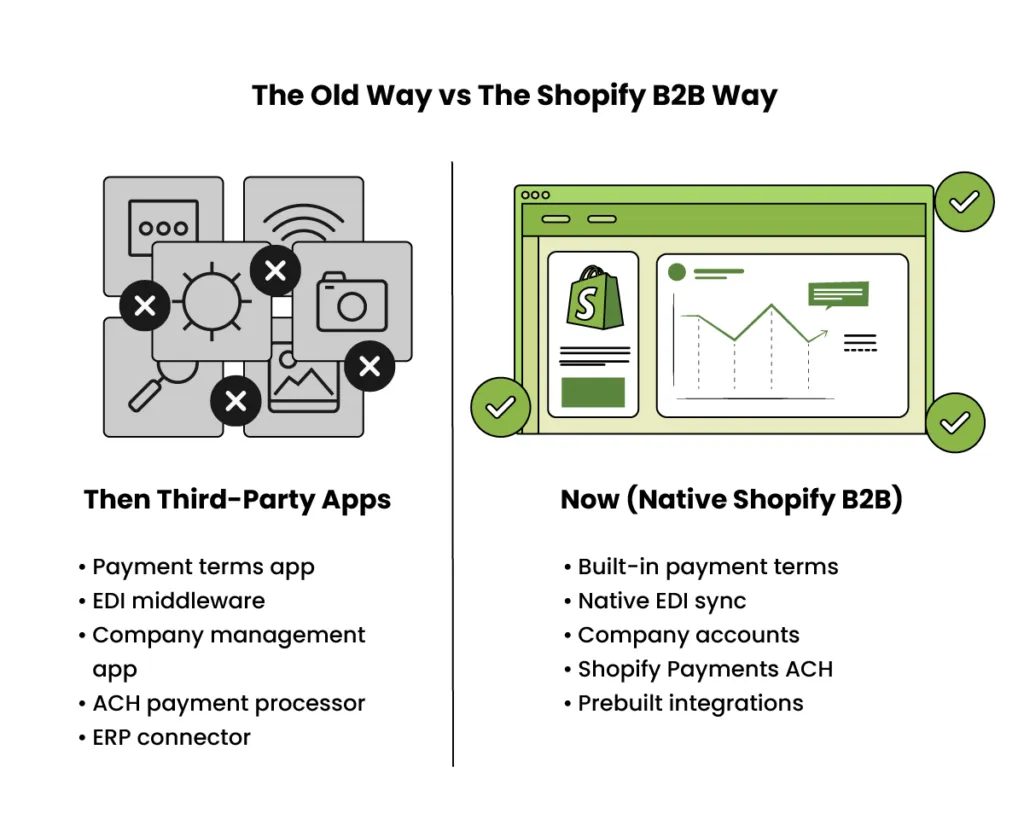
Shopify Core B2B extends the robust foundation of Shopify Plus with specific functionalities tailored for wholesale and business-to-business operations. This includes company profiles, custom pricing, payment terms, and B2B-specific checkout flows.
Crucially, "Core B2B" refers not just to these features but to the underlying architecture that supports them. It's a managed environment where Shopify controls the core platform, ensuring stability and security.
This managed approach differentiates it from highly customized, self-hosted solutions. Merchants gain reliability and continuous updates, but operate within a defined ecosystem.
 Untangling B2B technical debt, innovation
The Philosophy of Guardrails: Why Limitations Aren't Always Limiting
Many enterprise merchants initially view guardrails as restrictive. However, a seasoned technical developer understands them as design principles that guide sustainable development.
These "limitations" are intentional boundaries that protect the integrity of the Shopify platform strategy. They ensure that customizations don't break core functionality during platform updates or introduce performance bottlenecks.
By operating within these constraints, merchants avoid the pitfalls of over-customization common in legacy platforms. This promotes a more focused, efficient approach to Shopify Plus B2B development.
Key Constraints and Their Immediate Impact on B2B Operations
Understanding specific guardrails is vital for enterprise B2B e-commerce solutions. While Shopify Plus offers extensive Shopify Plus extensibility, direct modification of core checkout logic or specific database structures is generally restricted.
For instance, complex, multi-level approval workflows not directly supported by Shopify Flow might require external applications or custom UI layers integrated via APIs. Similarly, highly bespoke pricing logic beyond standard price lists needs careful architectural consideration.
Data model rigidity, while ensuring consistency, means adapting unique business entities (e.g., highly specific product configurations) to fit Shopify's structured data types, or storing them externally and syncing via API.
The Hidden Value Proposition: How Guardrails Mitigate Technical Debt and Complexity
Preventing "Spaghetti Code": Guardrails as a Development Framework
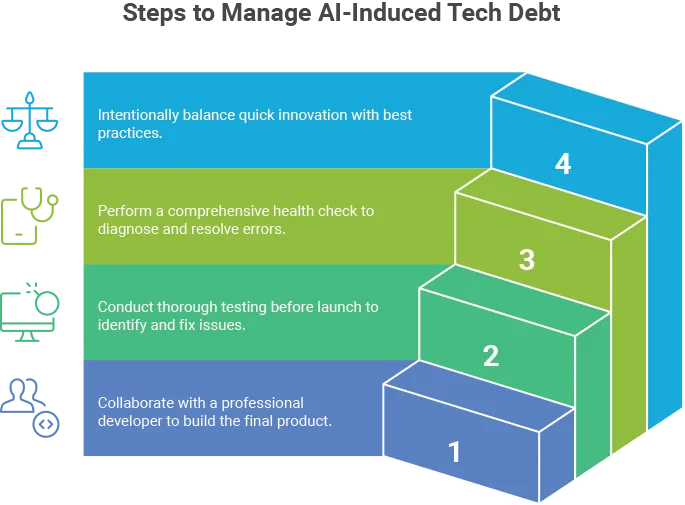
One of the most significant advantages of Shopify Core B2B guardrails is their role in preventing technical debt. Unconstrained development often leads to tightly coupled, undocumented, and fragile codebases.
By contrast, Shopify's guardrails encourage modular development. Customizations are built as apps, functions, or themes, interacting with the core via well-defined APIs and extension points.
This structured approach means less "spaghetti code" and a clearer separation of concerns. It directly contributes to a more maintainable and robust Shopify Plus B2B platform.
Reducing Maintenance Overhead and Future-Proofing Investments
Adhering to guardrails significantly reduces long-term maintenance overhead. When customizations are built correctly, they are less likely to break with Shopify's regular platform updates.
This translates to fewer urgent bug fixes and less re-engineering. It ensures that your Shopify Plus strategy remains viable for years, protecting your investment.
The Total Cost of Ownership (TCO) for Shopify Plus is directly impacted by this. Lower maintenance costs and reduced upgrade friction mean more budget can be allocated to innovation, not remediation.
The Direct Link Between Core Stability and Long-Term Scalability
A stable core platform is the bedrock of platform scalability. By preventing direct manipulation of critical systems, Shopify ensures the underlying infrastructure remains performant and reliable, even under high traffic.
Guardrails enforce best practices that contribute to predictable performance. This is crucial for enterprise B2B e-commerce solutions that experience fluctuating order volumes and complex customer interactions.
Merchants can scale their operations with confidence, knowing their core commerce engine is robust. This stability allows resources to focus on business growth rather than infrastructure management.
Unlocking Sustainable Innovation: Leveraging Shopify Plus Extensibility Within Core Boundaries
Strategic Customization: When to Build, When to Buy, When to Adapt
Navigating Shopify Plus extensibility requires a strategic framework. The first step is always to leverage existing Shopify B2B features, then explore the vast Shopify App Store for solutions.
If a specific need isn't met, consider Shopify Functions or Flow for extending core logic. Only then should custom app development for Shopify Plus be considered, always with an API-first mindset.
This decision hierarchy prevents unnecessary custom builds, reduces complexity, and ensures alignment with Shopify platform strategy. For expert guidance on these decisions, consider Shopify Plus Consulting.
API-First Approach: Extending Functionality Without Breaking Core
The API-first approach is fundamental to guardrail-compliant innovation. Instead of modifying core code, functionality is extended by integrating external systems or custom apps via Shopify's robust APIs.
This means your ERP, CRM, or PIM can seamlessly exchange data with Shopify, powering complex B2B workflows. Adhere to Shopify API rate limits and implement robust error handling for reliable integrations.
Webhooks provide real-time data synchronization, allowing external systems to react to events within Shopify, such as new orders or customer updates, without direct core intervention.
The Role of Shopify Functions and Flow in Guardrail-Compliant Innovation
Shopify Functions and Flow are powerful tools for sustainable innovation strategy within the guardrails. They allow developers to build custom backend logic that runs directly within Shopify's infrastructure, without modifying the core.
Here’s how to leverage them for Shopify Plus B2B needs:
- Identify Core Logic Gaps: Pinpoint specific B2B processes not fully covered by native features, such as highly specific discount rules, tax calculations, or shipping rate adjustments.
- Develop Shopify Functions: Write custom logic using WebAssembly (Wasm) and supported languages (e.g., Rust, Go) to create robust, performant extensions for pricing, shipping, or payments that execute at critical points in the checkout process.
- Automate with Shopify Flow: Design automated workflows using Flow to handle complex order routing, customer tagging, inventory adjustments, or notifications based on B2B-specific conditions (e.g., order value thresholds, company attributes).
- Integrate with External Systems: Use Flow's connectors or custom app actions to trigger actions in external ERPs or CRMs, ensuring seamless data flow and process orchestration across your tech stack.
- Test and Deploy: Thoroughly test your Functions and Flow automations in a staging environment to ensure they meet business requirements and perform optimally before deploying to production.
These tools empower developers to build complex, custom logic that is performant, scalable, and fully compatible with future Shopify updates, embodying true sustainable innovation strategy.
Case Studies in Constraint-Driven Success: Real-World Shopify Plus B2B Implementations
How Leading B2B Merchants Thrive by Respecting Core Principles
Many successful Shopify Plus B2B merchants demonstrate the power of working within constraints. Instead of rebuilding entire systems, they adapt their processes to Shopify's strengths and extend where necessary.
For example, a large distributor might use Shopify's native company profiles and price lists for core B2B pricing, then integrate a third-party app for complex tiered discounts or loyalty programs. This respects the core while adding specialized functionality.
Another merchant might leverage Shopify Flow for automated order approvals, integrating with an external ERP via API for inventory and fulfillment, rather than trying to replicate ERP logic within Shopify.
Measuring ROI: Quantifying the Benefits of Strategic Constraint
Quantifying the benefits of a Shopify platform strategy rooted in guardrails reveals significant ROI. Reduced technical debt translates to lower development costs over time.
Faster time-to-market for new features, due to less complex integrations and fewer compatibility issues, directly impacts competitive advantage. Merchants report lower bug rates and increased system uptime.
These tangible benefits contribute to a superior Total Cost of Ownership (TCO) for Shopify Plus compared to platforms requiring extensive, unconstrained custom builds and constant re-platforming.
Avoiding Common Pitfalls: Lessons from Over-Customization
The dangers of ignoring Shopify B2B limitations are well-documented. Over-customizing legacy platforms often leads to upgrade paralysis, where core updates break bespoke code, demanding costly re-engineering.
This results in higher maintenance costs, slower innovation, and a platform that becomes increasingly difficult to scale or adapt. Performance issues often arise from inefficient, custom database queries or poorly optimized code.
Adopting platform governance best practices from the outset, centered on Shopify's guardrails, is crucial for avoiding these pitfalls and ensuring long-term platform health.
Architecting for the Future: A Shopify Plus Platform Strategy for B2B Growth
Building a Roadmap: Prioritizing Features Within the Ecosystem
Developing a B2B feature roadmap for Shopify Plus B2B requires careful prioritization. Start by identifying critical business needs and mapping them against Shopify's native capabilities.
Next, evaluate the Shopify App Store for solutions that fit. For truly unique requirements, plan for custom app development for Shopify Plus or Shopify Functions, always within the architectural boundaries.
This phased approach ensures that core business functions are supported efficiently, while specialized needs are addressed through sustainable Shopify Plus extensibility.
Governance Models: Ensuring Adherence to Platform Best Practices
Effective platform governance best practices are non-negotiable for a successful Shopify platform strategy. Establish clear guidelines for development, app installation, and integration.
Form a technical steering committee comprising internal stakeholders and external Shopify Plus Consulting experts. This committee reviews proposed changes and ensures they align with guardrails and the overall strategy.
Regular code reviews, documentation standards, and a robust change management process are essential. For optimizing your site's performance and structure within these guidelines, consider Shopify Theme Optimization.
The Evolving Landscape: Adapting to New Shopify B2B Capabilities
Shopify's B2B capabilities are continuously evolving. Staying informed about new features, updates, and changes to the platform's extensibility model is paramount for sustainable innovation strategy.
Regularly review Shopify's release notes and developer documentation. Participate in the Shopify Partner Program and developer forums to understand upcoming changes and best practices.
Proactively assess how new capabilities can replace existing customizations or unlock new business opportunities. This agile approach ensures your Shopify Plus B2B platform remains at the forefront of enterprise B2B e-commerce solutions.
Frequently Asked Questions
What are Shopify Core B2B guardrails?
Shopify Core B2B guardrails are the inherent architectural boundaries and prescribed methods for extending Shopify's B2B functionality. They are a deliberate framework designed to ensure platform stability, prevent technical debt, and facilitate scalable growth for enterprise merchants. These guardrails encompass the underlying architecture supporting features like company profiles, custom pricing, payment terms, and B2B-specific checkout flows. By operating within this managed environment, merchants gain reliability and continuous updates, avoiding the pitfalls of over-customization common in legacy platforms. Adhering to these constraints ensures customizations don't break core functionality during platform updates, introduce performance bottlenecks, or lead to "spaghetti code." This structured approach encourages modular development via apps, functions, or themes, interacting with the core through well-defined APIs, ultimately contributing to a more maintainable, robust, and future-proof Shopify Plus B2B instance.
How do Shopify's guardrails prevent technical debt?
Shopify's guardrails prevent technical debt by encouraging modular development through apps, functions, and themes, interacting via well-defined APIs. This structured approach avoids direct core modifications, making customizations less prone to breaking during platform updates, significantly reducing long-term maintenance overhead and promoting a cleaner, more robust codebase.
Can I still customize my Shopify Plus B2B store while adhering to guardrails?
Absolutely. Extensive customization is fully supported within the guardrails through Shopify Plus extensibility, Shopify Functions, Flow, and an API-first approach for custom app development. These tools enable you to build robust, scalable, and future-compatible solutions that extend core functionality without compromising platform stability or upgrade paths.
What is the "API-first approach" in Shopify B2B development?
The API-first approach is a fundamental strategy for guardrail-compliant innovation. Instead of modifying Shopify's core code, functionality is extended by integrating external systems (like ERPs or CRMs) or custom apps via Shopify's robust APIs. This method ensures seamless data exchange and workflow automation, allowing for complex B2B operations without compromising the core platform's stability or security.

Ecommerce manager, Shopify & Shopify Plus consultant with 10+ years of experience helping enterprise brands scale their ecommerce operations. Certified Shopify Partner with 130+ successful store migrations.


