
- The Invisible Drain: Defining the Shopify Plus Shadow Stack and its 2026 Implications
- Beyond Core Licensing: Where Hidden Costs Lurk in the Shopify Plus Ecosystem
- The Decentralization Dilemma: Why Spend Goes Unnoticed in Agile Teams
- Mapping the Digital Undergrowth: A Framework for Identifying Shadow Stack Components
- App & Integration Audit: Uncovering Redundant or Underutilized Subscriptions
- API Call Volume & Third-Party Service Overages: The Silent Budget Killers
- Headless & Custom Development Sprawl: Managing External Vendor Dependencies
- Predictive Cost Modeling: Forecasting 2026 Shopify Plus Spend with Shadow Stack Data
- Leveraging Historical Data to Project Future Feature Needs and Associated Costs
- Scenario Planning: Impact of Emerging Technologies (e.g., AI, Web3) on Your Stack Budget
- Strategic Unmasking: Tools & Methodologies for Gaining Spend Visibility
- Implementing SaaS Spend Management Platforms for E-commerce
- Cross-Departmental Collaboration: Bridging the Gap Between Tech, Finance, and Marketing
- Automated Audit Trails: Tracking App Installs and API Key Usage
- Negotiating Power: Leveraging Shadow Stack Insights for 2026 Shopify Plus Contract Optimization
- Consolidating Vendor Relationships for Bulk Discounts and Better Terms
- Rightsizing Your Shopify Plus Plan: Matching Features to Actual Usage
- Proactive Budget Allocation: Reinvesting Savings into High-ROI Initiatives
- Building a Future-Proof Stack: Governance & Best Practices for Sustainable Growth
- Establishing a Centralized Procurement Policy for Shopify Plus Add-ons
- Regular Tech Stack Audits: Preventing Future Shadow Stack Accumulation
- Fostering a Culture of Cost-Consciousness Across E-commerce Teams
- Related Reading
The Invisible Drain: Defining the Shopify Plus Shadow Stack and its 2026 Implications
Enterprise merchants operating on Shopify Plus often face an insidious challenge: the "Shadow Stack." This refers to the myriad of decentralized, often unmonitored, expenditures that accumulate around the core Shopify Plus platform license. These hidden costs can significantly inflate your total cost of ownership, eroding profit margins and hindering strategic "shopify" cost optimization efforts.
Understanding and unmasking this shadow stack is not merely a financial exercise; it's a strategic imperative. As we approach 2026, gaining full visibility into these expenditures becomes critical for informed decision-making, particularly when it comes to negotiating "shopify plus pricing features 2026" and shaping your future e-commerce architecture.
ecommerce cost optimization future roadmap
Beyond Core Licensing: Where Hidden Costs Lurk in the Shopify Plus Ecosystem
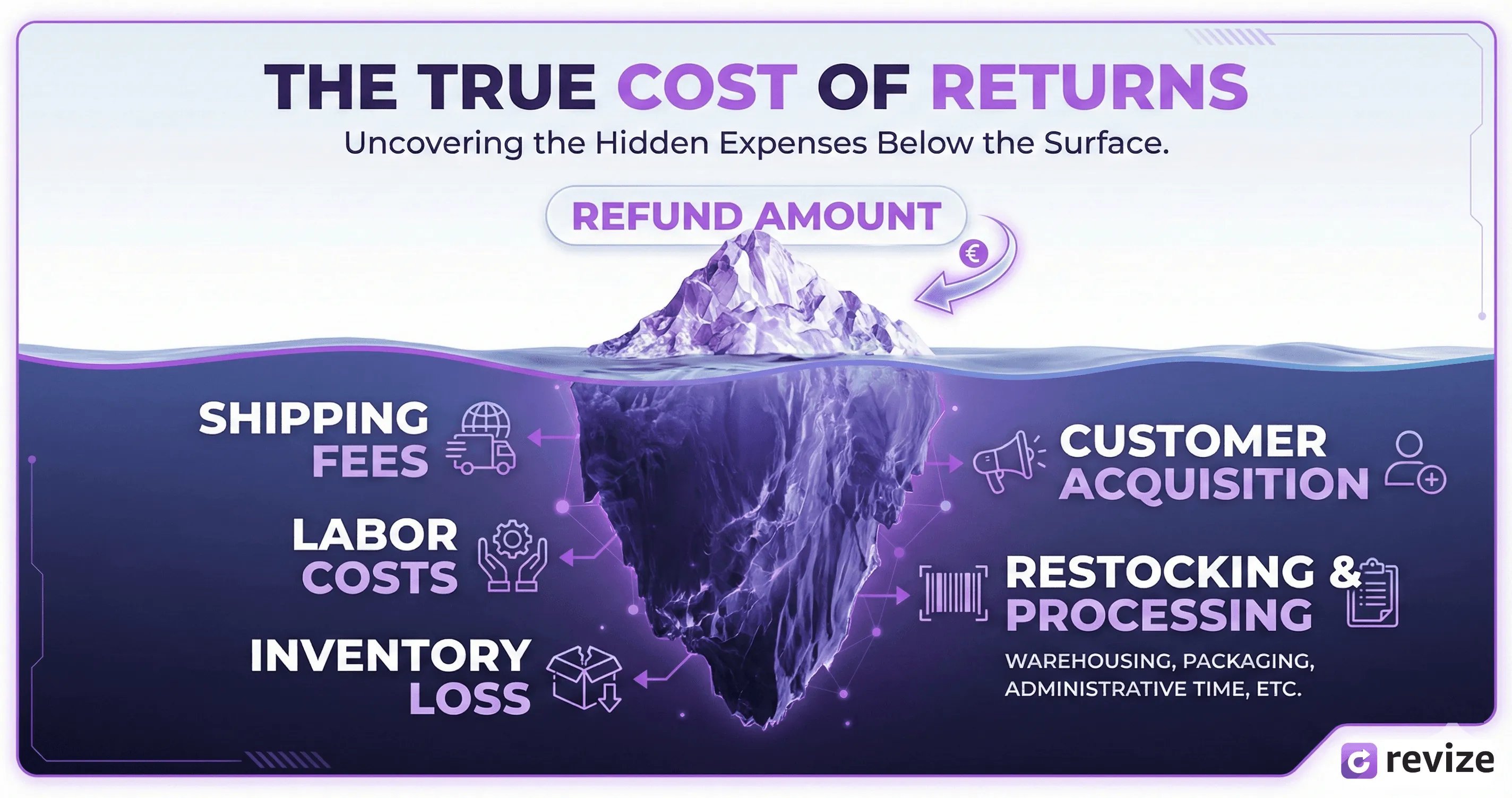
Your Shopify Plus subscription is just the tip of the iceberg. Beneath the surface lies a complex web of supplementary services, apps, and custom development that form the shadow stack. These elements, while often essential for specific business functions, typically fall outside central procurement oversight.
Common culprits include monthly subscriptions for Shopify Plus app ecosystem costs, usage-based fees for third-party integrations, and retainers for external development agencies. Think of payment gateways, advanced analytics platforms, marketing automation suites, and specialized customer service tools. Each adds a line item that, in isolation, might seem negligible but collectively represents a substantial, often unbudgeted, drain.
This decentralized spend often leads to vendor lock-in risks and redundant functionalities, where multiple tools perform similar tasks, increasing overhead without proportional value. Identifying these hidden costs is the first step toward reclaiming control and driving efficient resource allocation.
The Decentralization Dilemma: Why Spend Goes Unnoticed in Agile Teams
Modern e-commerce organizations, particularly those leveraging Shopify Plus, often operate with agile, cross-functional teams. Marketing, operations, and development teams are empowered to select and implement tools that best serve their immediate needs. While this fosters innovation and rapid iteration, it also creates fertile ground for the shadow stack to flourish.
Without a centralized procurement policy or robust spend visibility solutions, individual teams might subscribe to new SaaS tools or engage external developers without full awareness of the broader tech stack or existing contracts. This "decentralized purchasing impact" leads to SaaS subscription sprawl, where numerous services are acquired, some underutilized, others forgotten after a trial period.
The fast-paced nature of e-commerce means teams prioritize speed over meticulous spend tracking. This can result in duplicated efforts, missed opportunities for bulk discounts, and a fragmented understanding of total operational costs. The consequence is a significant portion of the budget allocated to the shadow stack, impacting overall "shopify" cost optimization.
Mapping the Digital Undergrowth: A Framework for Identifying Shadow Stack Components
Unmasking the shadow stack requires a systematic approach. This framework provides actionable steps to identify and quantify the components contributing to your hidden Shopify Plus spend.
App & Integration Audit: Uncovering Redundant or Underutilized Subscriptions
Begin by meticulously auditing every app installed on your Shopify Plus store. Access the 'Apps' section in your Shopify Admin and list all active and inactive installations. Cross-reference this list with your financial records, looking for recurring charges from app providers.
For each app, ask critical questions: Is it actively used? Does its functionality overlap with another app or a native Shopify Plus feature? What is the ROI of Shopify Plus apps currently in use? Many merchants discover multiple apps performing similar tasks (e.g., several upsell apps, redundant review platforms) or apps installed years ago that are no longer essential. Uninstalling unused apps and consolidating functionality can yield immediate savings on "Shopify Plus app ecosystem costs."
Furthermore, examine the integrations beyond the Shopify app store. This includes custom integrations with ERPs, CRMs, or PIMs, which often have their own subscription fees or usage-based pricing models. Documenting these ensures a comprehensive view of your "third-party integration expenses."
API Call Volume & Third-Party Service Overages: The Silent Budget Killers
Beyond app subscriptions, a significant portion of the shadow stack stems from API usage fees and overages from third-party services. Many critical e-commerce functions rely on external APIs for data exchange, processing, and enrichment.
Identify all external services your Shopify Plus store integrates with programmatically. This includes shipping carriers, payment processors, tax calculation services, fraud detection tools, and specialized marketing platforms. Review their billing statements for usage tiers, transaction fees, and any "API usage fees" that may escalate with increased traffic or data volume.
Inefficient code, poorly optimized queries, or unexpected traffic spikes can lead to costly overages. Implement monitoring tools for key API endpoints to track call volumes and identify potential inefficiencies before they impact your budget. These "third-party integration expenses" are often overlooked until a surprisingly high bill arrives.
Headless & Custom Development Sprawl: Managing External Vendor Dependencies
For merchants leveraging headless commerce architectures, the shadow stack extends significantly into infrastructure and custom development. While headless offers unparalleled flexibility, it introduces new layers of "headless commerce infrastructure costs."
These include hosting providers (Vercel, Netlify), content management systems (Contentful, Sanity), serverless functions (AWS Lambda, Google Cloud Functions), and specialized databases. Each component carries its own pricing model, often usage-based, which can fluctuate unpredictably. Document all these services, their providers, and their billing cycles.
Furthermore, track all external vendor dependencies related to custom development: agency retainers, project-based contracts, and freelance developer fees. Ensure clear scopes of work, defined deliverables, and proper documentation to mitigate "vendor lock-in risks." A lack of internal expertise or poor handover can lead to ongoing, unbudgeted maintenance costs for custom solutions.
Predictive Cost Modeling: Forecasting 2026 Shopify Plus Spend with Shadow Stack Data
Once the shadow stack components are identified and quantified, the next step is to leverage this data for predictive cost modeling. This proactive approach allows you to forecast future "shopify plus pricing features 2026" and optimize your overall "shopify" cost optimization strategy.
Leveraging Historical Data to Project Future Feature Needs and Associated Costs
Analyze your historical shadow stack spend over the past 12-24 months. Categorize expenses by function (e.g., marketing, fulfillment, customer service, development) and identify growth trends. Did your marketing app spend increase by 15% last year? Did API usage for your ERP integration spike during peak seasons?
Project these trends forward based on your business growth forecasts, anticipated new market entries, or planned feature rollouts. If you expect a 30% increase in order volume, factor in proportional increases for usage-based services like shipping labels, payment gateway fees, and transactional email costs. This forms the foundation for robust "budget forecasting e-commerce" strategies.
This detailed understanding of your operational spend provides invaluable leverage. When discussing "shopify plus pricing features 2026" with Shopify, you can demonstrate a clear understanding of your overall e-commerce architecture and its associated costs, moving beyond just core platform fees.
Scenario Planning: Impact of Emerging Technologies (e.g., AI, Web3) on Your Stack Budget
The e-commerce landscape is constantly evolving, with emerging technologies like AI and Web3 promising significant shifts. Proactive scenario planning is essential to understand their potential impact on your shadow stack budget.
Consider the integration costs of AI-powered tools for personalization, customer service automation, or content generation. These often come with their own subscription tiers or usage-based pricing. Similarly, if your roadmap includes "Web3" initiatives such as NFT loyalty programs or blockchain-based supply chain transparency, anticipate new infrastructure costs, smart contract audit fees, and specialized integration expenses.
By modeling these potential additions, you can preemptively allocate budget, assess the "ROI of Shopify Plus apps" and future tech investments, and prepare for how these new capabilities will influence your "shopify plus pricing features 2026" negotiations. This foresight ensures your budget remains agile and responsive to innovation.
Strategic Unmasking: Tools & Methodologies for Gaining Spend Visibility
Achieving comprehensive spend visibility requires implementing appropriate tools and fostering cross-functional collaboration. This is not a one-time task but an ongoing process to maintain control over your shadow stack.
Implementing SaaS Spend Management Platforms for E-commerce
Dedicated SaaS spend management platforms are invaluable for e-commerce enterprises. These tools (e.g., Spendesk, Zylo, Torpago) integrate with your financial systems, automatically discovering recurring subscriptions, tracking usage, and consolidating billing information.
They provide a single pane of glass for all your "SaaS subscription sprawl," highlighting redundant services, identifying underutilized licenses, and flagging upcoming renewals. For complex "Shopify Plus app ecosystem costs," these platforms can provide granular insights into individual app expenditures, helping to enforce "SaaS Procurement" best practices.
Implementing such a platform is a critical step in moving from reactive cost cutting to proactive "shopify" cost optimization. It provides the data necessary for informed decisions on which services to keep, consolidate, or eliminate.
Cross-Departmental Collaboration: Bridging the Gap Between Tech, Finance, and Marketing
The shadow stack thrives in silos. To dismantle it, foster strong cross-departmental collaboration. Establish regular joint reviews involving representatives from technology, finance, and marketing teams.
Finance can provide consolidated expense reports, highlighting all recurring vendor payments. Tech can offer insights into system architecture, API usage, and integration dependencies. Marketing can articulate the business value and ROI of specific tools. This shared understanding addresses the "decentralized purchasing impact" head-on, ensuring everyone is aligned on the overall "shopify" cost optimization strategy.
These collaborative sessions should not be punitive but rather focused on optimizing resources and identifying opportunities for efficiency and better "spend visibility solutions."
Automated Audit Trails: Tracking App Installs and API Key Usage
To prevent future shadow stack accumulation, implement automated audit trails and robust governance. Shopify's activity logs provide a record of app installations and uninstalls, offering a basic trail of changes to your app ecosystem.
Beyond Shopify, establish internal processes for managing API keys. Implement a system for tracking which team or application generates and uses specific API keys for external services. Regularly review these keys for active usage and revoke those no longer needed. This helps monitor "API usage fees" and reduces security risks.
For custom development, integrate version control systems and enforce strict code review processes. Automated alerts for new service deployments or significant changes to infrastructure can also provide early warnings of potential new shadow stack components.
Negotiating Power: Leveraging Shadow Stack Insights for 2026 Shopify Plus Contract Optimization
The true power of unmasking your shadow stack lies in the leverage it provides. With comprehensive data, you transform from a passive recipient of vendor terms into an empowered negotiator, especially for "shopify plus pricing features 2026."
Consolidating Vendor Relationships for Bulk Discounts and Better Terms
Your shadow stack audit will likely reveal multiple vendors providing similar services or instances of the same vendor being used by different teams. This fragmentation dilutes your negotiating power.
Identify opportunities to consolidate vendor relationships. For example, if multiple teams use different email marketing platforms, explore moving to a single enterprise solution from one vendor. Leverage your total spend across all services with a single provider to negotiate bulk discounts, better service level agreements (SLAs), or more favorable payment terms. This is a direct application of "SaaS Procurement" principles to achieve significant "shopify" cost optimization.
Presenting a holistic view of your spend with a vendor, including all "third-party integration expenses," gives you significant sway in securing more advantageous contracts.
Rightsizing Your Shopify Plus Plan: Matching Features to Actual Usage
The insights gained from your shadow stack analysis are invaluable for rightsizing your core Shopify Plus plan. By understanding precisely which native Shopify Plus features you utilize and which are supplemented or replaced by shadow stack components, you can engage in highly informed discussions about "shopify plus pricing features 2026."
If your shadow stack includes advanced analytics or fraud detection tools that duplicate native Shopify Plus capabilities, you have a strong case for adjusting your plan or negotiating specific feature inclusions/exclusions. Avoid paying for unused capacity or redundant features. Your goal is to align your Shopify Plus subscription precisely with the value you derive from its native offerings, optimizing your overall "shopify" cost optimization.
This data-driven approach shifts the negotiation from guesswork to a strategic conversation based on your actual operational needs and usage patterns.
Proactive Budget Allocation: Reinvesting Savings into High-ROI Initiatives
The primary objective of shadow stack optimization isn't just to cut costs, but to reallocate resources more effectively. The savings generated from consolidating vendors, rightsizing plans, and eliminating redundant subscriptions can be strategically reinvested.
Direct these newfound funds into high-ROI initiatives that drive genuine business growth. This could mean investing in advanced personalization engines, expanding into new international markets, upgrading core infrastructure for better performance, or funding innovative R&D projects. This proactive budget allocation enhances the "ROI of Shopify Plus apps" and other technology investments by ensuring capital is deployed where it yields the greatest impact.
By transforming hidden costs into strategic investments, you ensure your "shopify" cost optimization efforts directly contribute to sustainable growth and competitive advantage.
Building a Future-Proof Stack: Governance & Best Practices for Sustainable Growth
Unmasking and optimizing the shadow stack is an ongoing journey, not a destination. Establishing robust governance and best practices is crucial to prevent its re-accumulation and ensure sustainable growth for your Shopify Plus operation.
Establishing a Centralized Procurement Policy for Shopify Plus Add-ons
To prevent future shadow stack sprawl, implement a clear, centralized procurement policy for all Shopify Plus add-ons, apps, and third-party services. This policy should mandate an approval process for new subscriptions or external vendor engagements, regardless of the cost.
Define clear thresholds: for instance, purchases under $100/month might require manager approval, while those over $500/month require departmental head and finance approval. Centralize all contract management and renewals to prevent automatic rollovers of unused services. This structured approach is fundamental for effective "SaaS Procurement" and maintaining "spend visibility solutions."
This policy ensures that every new expense is vetted against existing tools, budget constraints, and strategic alignment, dramatically reducing "decentralized purchasing impact."
Regular Tech Stack Audits: Preventing Future Shadow Stack Accumulation
Make regular "Tech Stack Audit" reviews a standard operational practice. Schedule these audits quarterly or bi-annually, involving key stakeholders from tech, finance, and marketing. These reviews should assess the ongoing relevance, utilization, and cost-effectiveness of every component in your e-commerce stack.
The audits should specifically look for new "Shopify Plus app ecosystem costs," redundant functionality, and expiring contracts. Document findings, assign ownership for action items, and track progress. This continuous monitoring is essential for sustained "shopify" cost optimization and for keeping the shadow stack at bay.
A proactive audit schedule ensures that your e-commerce architecture remains lean, efficient, and aligned with business objectives, preventing the insidious creep of hidden costs.
Fostering a Culture of Cost-Consciousness Across E-commerce Teams
Ultimately, sustainable shadow stack management relies on fostering a culture of cost-consciousness throughout your e-commerce organization. Educate teams on the cumulative impact of seemingly small, decentralized purchases. Transparency regarding overall tech spend and its impact on profitability can empower teams to make more responsible decisions.
Encourage teams to actively seek out efficiencies, consolidate tools, and question the necessity of every new subscription. Integrate "shopify" cost optimization metrics into team performance discussions, where appropriate. By promoting a shared understanding of financial stewardship, you build a resilient and economically aware organization.
This cultural shift, combined with robust processes and tools, ensures that your Shopify Plus operation is not only technically advanced but also financially optimized for long-term growth and competitive advantage.
Frequently Asked Questions
What is the Shopify Plus "Shadow Stack" and why is it important for merchants?
The Shopify Plus "Shadow Stack" refers to the collective, often unmonitored and decentralized expenditures that accumulate around a merchant's core Shopify Plus platform license. These hidden costs extend beyond the monthly subscription fee, encompassing a wide array of supplementary services such as third-party app subscriptions, usage-based fees for external integrations (e.g., payment gateways, shipping carriers, analytics platforms), custom development agency retainers, and headless commerce infrastructure costs like hosting and specialized databases. Individually, these expenses might seem minor, but collectively, they significantly inflate the total cost of ownership (TCO), eroding profit margins and hindering strategic cost optimization efforts. Unmasking the shadow stack is crucial for enterprise merchants to gain full financial visibility, enabling informed decision-making for future e-commerce architecture and providing leverage for negotiating favorable Shopify Plus pricing and features for 2026.
How can Shopify Plus merchants effectively identify components of their shadow stack?
Identifying shadow stack components requires a systematic approach. Merchants should begin with a meticulous app and integration audit, reviewing all active and inactive installations in their Shopify Admin and cross-referencing them with financial records for recurring charges. Critically assess each app's usage, ROI, and potential overlap with other tools or native Shopify Plus features. Beyond apps, examine API call volumes and third-party service overages from external services like payment processors, shipping carriers, and tax calculation tools, as these often incur usage-based fees. For headless setups, document all infrastructure costs (hosting, CMS, serverless functions) and track external vendor dependencies for custom development. This comprehensive review helps uncover redundant subscriptions, inefficient API usage, and unbudgeted maintenance costs.
What role does cross-departmental collaboration play in managing Shopify Plus hidden costs?
Cross-departmental collaboration is vital for dismantling the shadow stack, which often thrives in organizational silos. By establishing regular joint reviews involving technology, finance, and marketing teams, merchants can bridge communication gaps and gain holistic spend visibility. Finance provides consolidated expense reports, tech offers insights into system architecture and API usage, while marketing articulates the business value and ROI of specific tools. This shared understanding directly addresses the "decentralized purchasing impact," ensuring all teams align on overall Shopify cost optimization strategies. Such collaborative sessions foster a culture of cost-consciousness, leading to more efficient resource allocation and preventing future shadow stack accumulation.
How can understanding the shadow stack empower Shopify Plus merchants in 2026 pricing negotiations?
Comprehensive understanding of the shadow stack provides significant leverage in negotiating Shopify Plus pricing and features for 2026. By quantifying all supplementary expenditures, merchants can present a detailed, data-driven overview of their total e-commerce operational costs, moving beyond just the core platform fees. This allows for rightsizing the Shopify Plus plan by identifying native features duplicated or replaced by shadow stack components, avoiding payment for unused capacity. Furthermore, insights into total spend with specific vendors (including third-party integrations) enable consolidation for bulk discounts and better terms. The savings generated can then be strategically reinvested into high-ROI initiatives, demonstrating a proactive approach to cost management that strengthens negotiation positions.

Ecommerce manager, Shopify & Shopify Plus consultant with 10+ years of experience helping enterprise brands scale their ecommerce operations. Certified Shopify Partner with 130+ successful store migrations.