- What should a Shopify Plus B2B audit check?
- B2B Audit Checklist
- Why a B2B-Specific Competitive Audit is Non-Negotiable for Shopify Plus Merchants
- Beyond Basic SEO: Uncovering Operational & Technical Gaps
- The Cost of Ignorance: Missed Opportunities in a Crowded Market
- Deconstructing the Shopify Plus B2B Ecosystem: What to Look For
- Front-End User Experience (UX) & Conversion Pathways (e.g., custom pricing, quick order forms)
- Back-End Operational Efficiency & Integrations (e.g., ERP, CRM, inventory sync)
- Headless Commerce & API Utilization (e.g., custom storefronts, mobile apps)
- B2B-Specific Features: Wholesale Channels, Volume Discounts, Payment Terms
- The "Blind Spots" Framework: Identifying Competitors' Weaknesses
- Technical Debt & Performance Bottlenecks (e.g., slow load times, poor mobile responsiveness)
- Suboptimal B2B Customer Journey & Self-Service Portals
- Inefficient Order Management & Fulfillment Processes
- Lack of Personalization or Dynamic Pricing Capabilities
- Underutilized Shopify Plus Features (e.g., Scripts, Flow, Launchpad)
- Tools & Tactics for a Deep-Dive Shopify Plus B2B Competitor Audit
- Public Data & Web Scraping for Feature Identification
- User Testing & Mystery Shopping for UX Insights
- Technical SEO & Performance Audits (e.g., Lighthouse, PageSpeed Insights)
- Analyzing Review Platforms & Social Signals for Customer Pain Points
- Translating Insights into Action: Crafting Your Shopify Plus Strategic Advantage
- Prioritizing Feature Development & Platform Enhancements
- Optimizing Your B2B Sales Funnel & Customer Acquisition
- Differentiating Through Superior B2B Customer Experience
- Long-Term Roadmap: Future-Proofing Your Shopify Plus Investment
- Related Reading
- Search Intent Refresh Notes
- Authoritative References
- Related Shopify and Ecommerce Growth Guides
What should a Shopify Plus B2B audit check?
A Shopify Plus B2B audit checks pricing logic, company accounts, ERP sync, catalog visibility, purchase-order workflows, private pricing, search visibility, and buyer friction. The purpose is to find operational blind spots that competitors exploit, not just to review keywords or page titles.
B2B Audit Checklist
| Audit area | Question to answer | Evidence to collect |
|---|---|---|
| Buyer accounts | Can buyers self-serve without sales intervention? | Account roles, saved lists, approvals, reorder flow. |
| Operational sync | Does ERP inventory/pricing match storefront promises? | Sync logs, mismatch reports, failed order examples. |
| Public demand capture | Can Google understand the wholesale offer? | Indexable B2B guides, schema, internal links. |
Next reads: Use this audit with the Shopify Plus B2B strategy guide, Shopify B2B technical SEO guide, and B2B cognitive-load CRO checklist.
Why a B2B-Specific Competitive Audit is Non-Negotiable for Shopify Plus Merchants
For enterprise B2B merchants leveraging Shopify Plus, a generic competitive analysis falls short. The complexities of business-to-business commerce demand a far more granular, technically oriented approach. Understanding competitor strengths and weaknesses isn't just about market positioning; it's about dissecting their digital infrastructure to reveal exploitable blind spots.
Beyond Basic SEO: Uncovering Operational & Technical Gaps
Many businesses limit competitive analysis to keyword rankings and content strategy. While essential, this overlooks the critical operational and technical underpinnings that define B2B success on platforms like Shopify Plus. A true b2b audit extends into backend integrations, custom application development, and workflow automation.
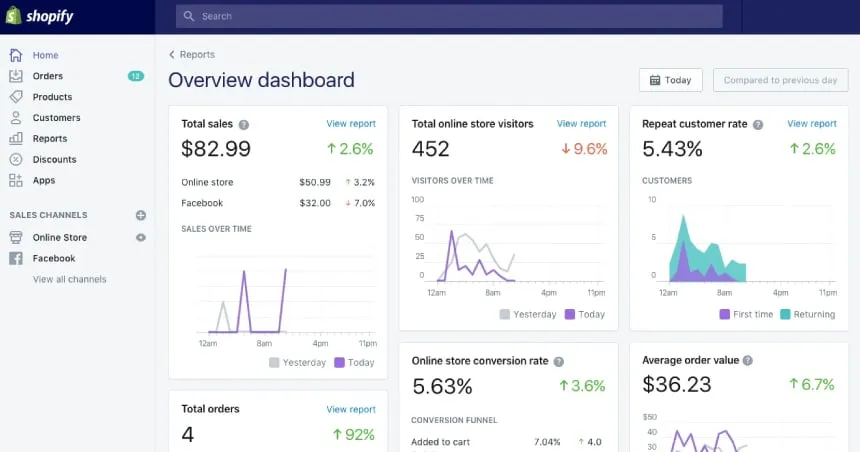
Shopify Plus B2B technical audit dashboard
We are looking for architectural insights, not just surface-level observations. This includes how competitors manage their ERP integration Shopify Plus B2B, CRM synchronization, and custom pricing logic. These elements are invisible to basic SEO tools but dictate efficiency and customer experience.
Identifying these deeper technical gaps provides a significant strategic advantage. It allows you to build a more resilient and performant platform, directly addressing where competitors fall short in their shopify plus b2b implementations.
The Cost of Ignorance: Missed Opportunities in a Crowded Market
Ignoring a deep-dive competitive analysis comes at a substantial cost. In a market where B2B buyers expect consumer-grade experiences, operational inefficiencies or technical limitations can quickly erode trust and market share. Merchants risk losing valuable customers to more agile competitors.
![Exposing competitor B2B e-commerce blind spots - Shopify Plus B2B Audit: Expose Competitor Blind Spots [Guide]](/img/blog/shopify-plus-b2b-audit-blind-spots-2.webp) Exposing competitor B2B e-commerce blind spots
Exposing competitor B2B e-commerce blind spots
Missed opportunities manifest in various ways: inefficient order processing, clunky user interfaces, or a lack of personalized buying experiences. These failures directly impact customer acquisition cost, retention rates, and ultimately, market share growth B2B e-commerce.
Without understanding your rivals' digital capabilities, you're flying blind. This prevents informed decision-making regarding feature prioritization, platform investments, and strategic resource allocation. A proactive shopify strategy demands this level of insight.
Deconstructing the Shopify Plus B2B Ecosystem: What to Look For
What is the Shopify Plus B2B Ecosystem? It encompasses the entire digital infrastructure and operational framework that B2B merchants build on Shopify Plus. This includes their custom storefronts, integrated backend systems like ERPs and CRMs, specialized B2B features such as wholesale pricing and payment terms, and the overall customer journey from discovery to post-purchase support.
Front-End User Experience (UX) & Conversion Pathways (e.g., custom pricing, quick order forms)
The B2B buyer journey is distinct, demanding specific UX considerations. On the front end, we scrutinize how competitors manage elements like personalized catalogs, tiered pricing displays, and the ease of bulk ordering. Are there quick order forms, rapid reordering options, or streamlined quote request functionalities?
Analyze their B2B customer journey mapping Shopify Plus. How intuitive is the navigation for logged-in buyers? Is it easy to access order history, reorder previous purchases, or manage multiple shipping addresses? Friction in these areas represents a prime conversion bottleneck.
Examine how custom pricing is presented and applied. Is it dynamic based on customer segments, volume, or contract terms? A seamless, personalized front-end experience is a critical differentiator in Shopify Plus B2B features comparison.
Back-End Operational Efficiency & Integrations (e.g., ERP, CRM, inventory sync)
True operational efficiency in B2B commerce stems from robust backend integrations. We investigate signs of seamless connectivity between their Shopify Plus store and essential business systems. Does their platform demonstrate real-time ERP integration Shopify Plus B2B?
Look for evidence of synchronized inventory across channels, automated order routing, and streamlined customer data management with CRM systems. Lagging inventory updates or manual data entry are clear signs of inefficiency.
These backend processes directly impact lead times, order accuracy, and customer satisfaction. Identifying weaknesses here points to potential competitive advantages in supply chain efficiency e-commerce for your own operations.
Headless Commerce & API Utilization (e.g., custom storefronts, mobile apps)
Advanced B2B e-commerce platform capabilities often involve headless architectures. Determine if competitors are leveraging Shopify Plus's APIs to power custom storefronts, progressive web apps (PWAs), or dedicated mobile applications. This suggests a significant investment in flexible and scalable infrastructure.
A headless approach allows for highly customized front ends, enabling unique B2B experiences that are difficult to achieve with traditional monolithic platforms. These custom solutions often provide superior performance and specific feature sets tailored to complex B2B needs.
Understanding their API utilization reveals their long-term shopify strategy and adaptability. Competitors embracing headless commerce B2B advantages are future-proofing their operations, setting a high bar for others.
B2B-Specific Features: Wholesale Channels, Volume Discounts, Payment Terms
Core B2B functionality is paramount. Evaluate how competitors implement Shopify Plus B2B features comparison like dedicated wholesale channels, tiered pricing, and volume discounts. Are these clearly communicated and easily accessible?
Assess their approach to payment terms, credit lines, and invoice management. Do they offer Net 30/60/90 terms? Is there a self-service portal for managing invoices and payments? These capabilities are crucial for B2B buyer convenience.
The maturity of their wholesale portal optimization and dynamic B2B pricing model analysis indicates their commitment to the B2B segment. Any deficiencies here represent a direct opportunity to outperform.
The "Blind Spots" Framework: Identifying Competitors' Weaknesses
A competitive audit isn't just about noting what competitors do well; it's about systematically uncovering their vulnerabilities. These "blind spots" are often areas where they've made compromises, accumulated technical debt, or simply haven't optimized for the B2B customer.
Technical Debt & Performance Bottlenecks (e.g., slow load times, poor mobile responsiveness)
Even well-funded competitors can suffer from technical debt. Look for signs like slow page load times, especially on product detail pages or during checkout. Poor mobile responsiveness, broken elements, or accessibility issues are critical performance bottlenecks.
These issues create significant friction for B2B buyers who expect fast, reliable interactions. A sluggish site directly impacts conversion rates and user satisfaction, highlighting a clear weakness in their competitor technical analysis B2B.
Identifying these problems allows you to prioritize a superior technical foundation for your own shopify plus b2b store. Performance is a non-negotiable aspect of modern B2B commerce.
Suboptimal B2B Customer Journey & Self-Service Portals
A B2B customer journey riddled with friction is a major blind spot. This includes clunky account dashboards, difficulty reordering past purchases, or complex processes for requesting quotes or managing invoices. Self-service is a cornerstone of modern B2B.
If buyers struggle to find information, update account details, or track orders without contacting support, it's a significant operational strain for the competitor and a frustration for their customers. This is an area where a superior Shopify Plus Strategy can shine.
Your goal is to identify specific points of friction that you can eliminate or significantly improve within your own b2b audit framework, offering a smoother, more efficient experience.
Inefficient Order Management & Fulfillment Processes
Visible signs of inefficient order management and fulfillment are critical competitive weaknesses. These often manifest as prolonged lead times, frequent order errors, or poor communication regarding shipping and delivery. Customer reviews or industry chatter can often reveal these issues.
A competitor struggling with supply chain efficiency e-commerce creates an opportunity for you to differentiate. By demonstrating reliable, transparent, and timely fulfillment, you build stronger trust and loyalty with B2B buyers.
Examine how they handle returns and exchanges. A cumbersome process here can severely damage customer relationships and provide a distinct advantage for your optimized operations.
Lack of Personalization or Dynamic Pricing Capabilities
Many B2B competitors still offer a one-size-fits-all experience. A lack of personalization in product recommendations, content, or pricing is a missed opportunity. Static pricing models, especially for diverse customer segments, limit revenue potential.
Competitors failing to implement dynamic B2B pricing model analysis or personalized product discovery are leaving money on the table. This is a significant blind spot that can be exploited by a more sophisticated shopify plus b2b approach.
Your ability to tailor experiences based on buyer history, segment, or contract terms can significantly boost average order value and customer lifetime value. This level of customization is a powerful differentiator.
Underutilized Shopify Plus Features (e.g., Scripts, Flow, Launchpad)
A common blind spot for many Shopify Plus merchants is failing to leverage the platform's advanced capabilities. Are competitors using Shopify Scripts for complex pricing rules or promotions? Are they automating workflows with Shopify Flow? Do they coordinate product launches with Launchpad?
If competitors are on Shopify Plus but aren't exploiting these powerful tools, it indicates a gap in their strategic platform utilization. This is a direct opportunity for your business to gain an advantage through superior feature implementation.
By maximizing your shopify plus b2b platform, you can create efficiencies and unique customer experiences that rivals simply cannot match without significant re-platforming or custom development.
Tools & Tactics for a Deep-Dive Shopify Plus B2B Competitor Audit
Executing a thorough b2b audit requires a combination of readily available tools and strategic, hands-on investigation. This isn't just about running reports; it's about intelligent data synthesis and experiential understanding.
Here are the core logical steps for conducting a deep-dive Shopify Plus B2B competitive analysis:
- Identify Key Competitors & Their Technology Stack: Start by listing direct and indirect competitors. Use browser extensions (e.g., Wappalyzer, BuiltWith) to identify if they are on Shopify Plus and what other technologies (ERP, CRM, payment gateways) they are using.
- Map the Competitor's B2B Customer Journey: Create a persona and walk through their entire buying process. Register for an account, request a quote, place a small order, and interact with customer service. Document every step and point of friction.
- Perform Technical & Performance Audits: Use tools like Google Lighthouse, PageSpeed Insights, and GTmetrix to assess their site speed, mobile responsiveness, and Core Web Vitals. Look for performance bottlenecks and technical debt.
- Analyze B2B-Specific Features & Pricing: Systematically compare their wholesale portals, volume discount structures, payment terms, and personalized pricing capabilities against your own and industry best practices.
- Scrutinize Public Data & Reviews: Mine customer reviews on platforms like Trustpilot, G2, or industry-specific forums. Look for recurring pain points related to product quality, shipping, customer service, or platform usability.
- Evaluate Content & SEO Strategy: Beyond basic keywords, analyze their B2B content for depth, technical accuracy, and how it supports the buyer journey. Identify gaps in their informational content or product guides.
- Assess Integration Maturity: Look for signs of advanced integrations (e.g., real-time inventory updates, seamless account management) or their absence, which might indicate manual processes or system silos.
- Document & Prioritize Blind Spots: Compile all findings into a structured report, clearly identifying competitors' weaknesses (blind spots) and ranking them by potential impact and ease of exploitation.
Public Data & Web Scraping for Feature Identification
Leverage public data points and judicious web scraping to identify specific features and functionalities. Tools can help extract product data, visible pricing tiers, and even the underlying tech stack. This provides a baseline for Shopify Plus B2B features comparison.
Analyze their site structure for clues about their B2B offerings. Dedicated wholesale sections, bulk order forms, or specific login portals indicate a focused B2B strategy. This data informs your b2b audit.
Pay close attention to how they present their value proposition for B2B customers. What features do they highlight? This can reveal their perceived strengths and, by extension, where they might be neglecting other areas.
User Testing & Mystery Shopping for UX Insights
There's no substitute for experiencing the competitor's platform firsthand. Conduct user testing with B2B personas, or perform mystery shopping to walk through their entire customer journey. This provides invaluable B2B customer journey mapping Shopify Plus insights.
Register as a potential B2B buyer, request a quote, and even place a small order. Evaluate the ease of navigation, clarity of information, and responsiveness of their support. Identify every point of friction or confusion.
This hands-on approach exposes the real-world impact of their UX design and operational efficiency. It's often where the most critical blind spots are revealed.
Technical SEO & Performance Audits (e.g., Lighthouse, PageSpeed Insights)
Utilize standard tools like Google Lighthouse, PageSpeed Insights, and GTmetrix to conduct a competitor technical analysis B2B. These tools provide objective data on site speed, mobile responsiveness, accessibility, and overall technical health.
Slow load times, poor Core Web Vitals, or significant mobile usability issues are direct conversion killers. These performance bottlenecks are clear weaknesses that your optimized shopify plus b2b store can exploit.
A technically sound platform is foundational for both user experience and search engine visibility. Identifying these issues in competitors allows you to build a superior technical foundation.
Analyzing Review Platforms & Social Signals for Customer Pain Points
Customer feedback is a goldmine for uncovering operational blind spots. Scrutinize review platforms (Trustpilot, G2, Capterra) and social media channels for recurring complaints or frustrations about competitors. Look for patterns related to product quality, shipping delays, customer service, or platform usability.
These unfiltered insights reveal genuine customer pain points that competitors may be ignoring or struggling to address. This directly informs your b2b audit by highlighting areas where you can offer a superior experience.
Social signals can also indicate sentiment around new features or product launches. Understanding this public perception is crucial for refining your own shopify strategy and market messaging.
Translating Insights into Action: Crafting Your Shopify Plus Strategic Advantage
A comprehensive competitive b2b audit is only valuable if its insights are translated into actionable strategies. The goal is to leverage discovered blind spots to build a more robust, efficient, and customer-centric shopify plus b2b operation.
Prioritizing Feature Development & Platform Enhancements
The audit provides a data-driven roadmap for feature development. Prioritize enhancements that directly address competitor weaknesses or introduce superior capabilities. This could involve building custom apps for unique B2B workflows or integrating advanced tools.
Focus on features that enhance wholesale portal optimization, streamline custom pricing, or improve self-service options. These directly impact B2B buyer satisfaction and operational efficiency. For expert guidance on architecting these solutions, consider our Shopify Plus Consulting services.
Every enhancement should be evaluated based on its potential impact on customer experience, operational efficiency, and competitive differentiation within your shopify plus b2b ecosystem.
Optimizing Your B2B Sales Funnel & Customer Acquisition
Leverage competitor blind spots to refine your own B2B sales funnel. If rivals have clunky onboarding or poor lead nurturing, design a seamless experience from initial contact to conversion. Highlight your superior processes in your marketing efforts.
Identify channels or messaging where competitors are underperforming. This could be an opportunity to capture neglected segments or differentiate your value proposition. Use the competitive analysis to sharpen your targeting.
A well-optimized funnel, informed by competitor weaknesses, leads to lower customer acquisition costs and higher conversion rates. For specialized strategies to boost your conversion rates, explore our Shopify CRO Consulting.
Differentiating Through Superior B2B Customer Experience
The ultimate goal is to differentiate your brand through a superior B2B customer experience. Address the pain points identified in your competitors' operations by offering intuitive self-service, personalized interactions, and efficient support.
Focus on reducing friction at every touchpoint, from initial product discovery to post-purchase support. A seamless experience builds loyalty and turns customers into advocates, fostering market share growth B2B e-commerce.
This commitment to excellence, often enabled by intelligent use of Shopify Plus B2B features comparison and integrations, creates a sustainable competitive advantage that is difficult for rivals to replicate quickly.
Long-Term Roadmap: Future-Proofing Your Shopify Plus Investment
The insights from a deep-dive b2b audit are not a one-time fix but a foundation for a long-term shopify strategy. Use this knowledge to build a future-proof roadmap for your shopify plus b2b investment.
Anticipate market shifts and technological advancements. Continuously monitor competitors for emerging features or changes in their strategy. This iterative process ensures you maintain your competitive edge.
Invest in scalable solutions, embrace headless commerce B2B advantages where appropriate, and prioritize continuous optimization. This proactive approach secures your position as a leader in the B2B e-commerce space.
Related Reading
More articles relevant to this topic:
- Shopify Plus B2B: Unlock 5X Conversions with Intent-Driven UX
- Crush B2B CRO: Intent Signals for Shopify Plus [Proven]
- 10 Ways to Slash B2B Cognitive Load & Boost Shopify Plus CRO
- Shopify Plus: B2B's Secret Weapon for Agile Innovation
- Shopify B2B Guardrails: Unlock Plus Innovation & Slash Tech Debt
Search Intent Refresh Notes
This page has search demand in Google Search Console. Refresh it around the highest-impression query language, add concrete examples, clarify the decision criteria, and link to the most relevant service page or related guide.
Authoritative References
Use these official resources to verify platform-specific claims and implementation details before making commercial or technical decisions.
Related Shopify and Ecommerce Growth Guides
Continue with these related guides if you want to connect the strategy to implementation, SEO risk, performance, or conversion impact.
- Shopify CRO: Core Web Vitals Audit for 2x Conversions
- Shopify Plus 'Hydration Hell': Fix CWV & Boost SEO
- Shopify Plus: SimGym's [Deep Dive] for 20% CRO & SEO Gains
- AI Content for Shopify Plus: Prevent SEO Debt [Guide]
- Shopify SEO: Audit Carbon Footprint for 32% Performance & Profit
Frequently Asked Questions
What is a Shopify Plus B2B audit?
A Shopify Plus B2B audit is a specialized, in-depth analysis designed for enterprise business-to-business merchants. Unlike a generic competitive review, it focuses on dissecting the technical infrastructure, operational workflows, and B2B-specific features of a competitor's Shopify Plus implementation. This includes scrutinizing backend integrations (ERP, CRM), custom application development, wholesale pricing logic, and the overall B2B customer journey to identify strategic advantages and exploitable weaknesses.
Why is a B2B-specific competitive analysis crucial for Shopify Plus merchants?
For enterprise B2B merchants on Shopify Plus, a generic competitive analysis is insufficient. B2B commerce involves complex sales cycles, custom pricing, and intricate integrations, making a deep-dive audit non-negotiable. Ignoring this leads to significant costs: missed opportunities in a crowded market, eroded trust due to operational inefficiencies, and losing market share to more agile competitors. A B2B-specific audit goes beyond basic SEO, dissecting rivals' digital infrastructure to uncover technical debt, inefficient ERP/CRM integrations, and suboptimal customer journeys. It reveals where competitors fall short in areas like personalized catalogs, quick order forms, or payment terms. Without this insight, merchants operate blindly, unable to make informed decisions on feature prioritization or platform investments. This granular understanding allows you to build a more resilient, performant platform, directly addressing competitor weaknesses and securing a strategic advantage in the B2B e-commerce landscape.
What specific "blind spots" should I look for in competitors' Shopify Plus B2B setups?
Key blind spots to target include technical debt manifesting as slow load times or poor mobile responsiveness, suboptimal B2B customer journeys with clunky self-service portals, inefficient order management and fulfillment processes, a lack of personalization or dynamic pricing capabilities, and underutilized advanced Shopify Plus features like Scripts, Flow, or Launchpad. Identifying these areas reveals where competitors are making compromises or failing to optimize for the unique B2B buyer experience.
What tools are essential for conducting a deep-dive Shopify Plus B2B audit?
Essential tools for a comprehensive Shopify Plus B2B audit include browser extensions like Wappalyzer or BuiltWith to identify competitor tech stacks, performance auditing tools such as Google Lighthouse, PageSpeed Insights, and GTmetrix for technical health, and public review platforms (Trustpilot, G2) for customer pain points. Additionally, hands-on user testing and mystery shopping are invaluable for experiencing the competitor's B2B customer journey firsthand and uncovering real-world UX insights.

Ecommerce manager, Shopify & Shopify Plus consultant with 10+ years of experience helping enterprise brands scale their ecommerce operations. Certified Shopify Partner with 130+ successful store migrations.